
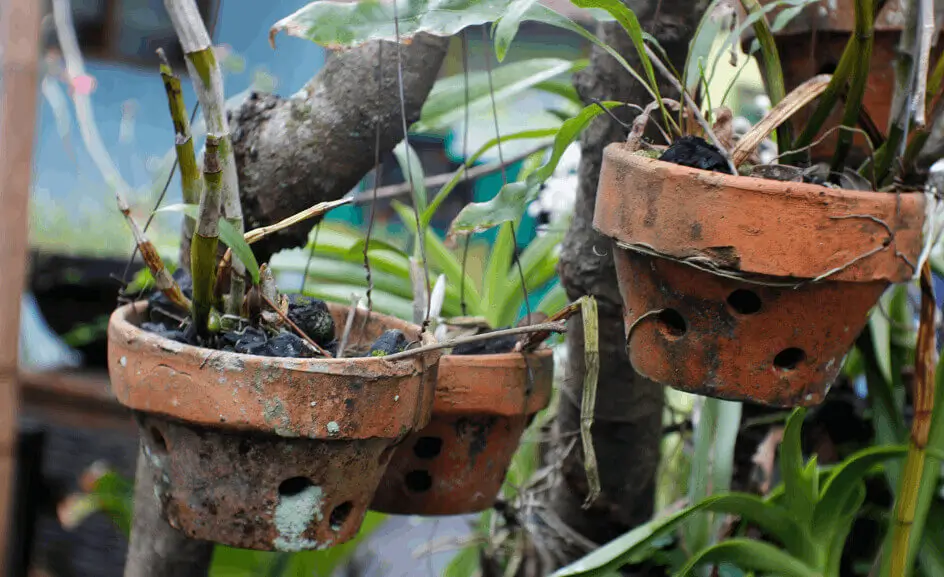
Growing fruit trees in pots can be incredibly rewarding, but many gardeners face disappointing results when their trees struggle or fail to thrive. From poor drainage and incorrect watering to limited root space and nutrient deficiencies, container-grown fruit trees require specific care to succeed. Understanding the most common reasons behind these failures is the first step toward growing healthy, productive trees in pots.
The good news? Most failures are completely preventable. With the right container, soil, watering habits, and care routine, fruit trees can thrive on balconies, patios, rooftops, and small yards. This guide breaks down the real reasons container-grown fruit trees struggle—and gives you clear, step-by-step solutions you can apply immediately, even if you’re a total beginner.
Why This Topic Matters for Container Fruit Gardening
Fruit trees in pots live in a controlled but fragile environment. Unlike in-ground trees, they rely 100% on you for:
- Water regulation
- Nutrient supply
- Root space
- Drainage and airflow
When something goes wrong, the tree has no backup system. That’s why container fruit trees often fail faster than garden-planted ones. Understanding these limitations helps you:
- Avoid wasting money on dying trees
- Choose varieties suited for containers
- Get fruit sooner and more consistently
- Grow confidently in small spaces
If you’re new to container growing, start with this complete beginner guide to container fruit gardening to understand the fundamentals before troubleshooting problems.
The Real Reasons Fruit Trees Fail in Pots
1. The Container Is Too Small
This is the number one reason fruit trees fail in containers.
What happens:
- Roots become tightly bound
- Water runs straight through without absorption
- Growth stalls or declines
Solution:
- Start with at least:
- 10–15 gallons for dwarf trees
- 20–30 gallons for semi-dwarf trees
- Repot every 2–3 years into a slightly larger container
For guidance on choosing the right size and material, see how to choose the best containers for fruit trees.
2. Poor Drainage Leads to Root Rot
Many beginners assume fruit trees need “lots of water.” In pots, this belief is dangerous.
Signs of poor drainage:
- Yellowing leaves
- Wilting despite wet soil
- Sour-smelling potting mix
Why it happens:
- Containers without drainage holes
- Heavy garden soil instead of potting mix
- Trays holding stagnant water
Fix it fast:
- Always use pots with multiple drainage holes
- Elevate containers slightly off the ground
- Never let pots sit in standing water
If your tree shows constant yellowing, read why fruit tree leaves turn yellow in containers for targeted fixes.
3. Using the Wrong Soil Mix
Garden soil is not suitable for containers—especially for fruit trees.
Common soil mistakes:
- Compacted soil that suffocates roots
- Soil that drains too slowly or too fast
- No long-term nutrient structure
Best practice:
Use a high-quality container mix designed for fruit trees:
- Light and airy
- Holds moisture without staying soggy
- Enriched with organic matter
A full breakdown is available in the best soil for fruit trees in balcony containers.
4. Overwatering or Underwatering
In containers, both happen easily—and both can kill trees.
Overwatering symptoms:
- Yellow leaves
- Mushy roots
- Leaf drop
Underwatering symptoms:
- Crispy leaf edges
- Drooping leaves
- Fruit drop
Smart watering rule:
- Water deeply only when the top 2–3 inches of soil are dry
- Adjust frequency based on:
- Season
- Pot size
- Sun exposure
Learn proper watering timing in how to avoid overwatering fruit trees in pots.
5. Lack of Nutrients Over Time
Container soil loses nutrients quickly due to frequent watering.
What beginners miss:
- Fertilizing once a year is not enough
- Nutrient deficiencies build slowly
Solution:
- Use slow-release organic fertilizer every 8–12 weeks
- Supplement with liquid feed during flowering and fruiting
- Watch for pale leaves or weak growth
Slow, weak growth is often misdiagnosed—see why fruit trees grow slowly in containers for clarity.
6. Choosing the Wrong Fruit Tree Variety
Not all fruit trees are suited for pots.
Common mistakes:
- Planting full-size trees in containers
- Ignoring climate compatibility
- Choosing high-maintenance varieties
Better choices for containers:
- Dwarf or semi-dwarf apples
- Citrus (lemon, lime, mandarin)
- Figs
- Peaches on dwarf rootstock
Container success starts with the right tree—not just good care.
Step-by-Step: How to Fix and Prevent Failure
Step 1: Upgrade the Container
- Increase pot size gradually
- Ensure excellent drainage
- Choose breathable materials if possible
Step 2: Refresh the Soil
- Replace old mix every 2–3 years
- Add compost for microbial life
- Avoid compacted or reused soil
Step 3: Adjust Watering Habits
- Check soil moisture manually
- Water deeply, not frequently
- Reduce watering in winter
Step 4: Feed Consistently
- Use balanced, fruit-tree-specific fertilizer
- Increase potassium during fruiting
- Stop heavy feeding late in the season
Step 5: Prune and Maintain Size
- Light pruning keeps roots and canopy balanced
- Remove dead or crossing branches
- Maintain airflow and sunlight
Common Beginner Mistakes That Kill Potted Fruit Trees
- Using decorative pots without drainage
- Keeping trees indoors permanently
- Ignoring seasonal care changes
- Expecting fruit in the first year
- Letting roots stay pot-bound for years
Avoiding just one or two of these mistakes dramatically improves success.
Tools, Containers, and Care Tips That Make a Difference
Must-Have Tools
- Moisture meter (optional but helpful)
- Sharp pruning shears
- Organic slow-release fertilizer
Container Tips
- Dark pots heat roots faster—monitor soil temperature
- Larger containers buffer watering mistakes
- Mulch the surface to reduce evaporation
Care Tips
- Rotate pots monthly for even sunlight
- Protect roots from extreme heat or frost
- Observe your tree weekly, not monthly
Frequently Asked Questions (FAQ)
Why do fruit trees die faster in pots than in the ground?
Because containers limit root space, water buffering, and nutrient access, making trees fully dependent on proper care.
Can fruit trees live long-term in containers?
Yes—many thrive for 10+ years with proper repotting, pruning, and feeding.
How often should I repot a fruit tree?
Every 2–3 years, or when roots circle tightly and water drains too fast.
Do fruit trees need full sun in containers?
Most need 6–8 hours of direct sunlight daily for healthy growth and fruiting.
Is fruit production lower in pots?
It can be slightly lower, but quality is often just as good with proper care.
Conclusion: Turn Failure Into Success
Understanding why fruit trees fail in pots empowers you to grow confidently in small spaces. Most problems come down to container size, soil quality, watering habits, and variety selection—not bad luck. By choosing the right setup and adjusting care as your tree grows, you can enjoy healthy foliage, reliable flowering, and homegrown fruit even on a balcony.
Next steps:
- Check your container size today
- Test soil drainage and moisture
- Refresh feeding and watering routines
With the right foundation, container fruit gardening becomes not only possible—but incredibly rewarding. 🌱🍎