
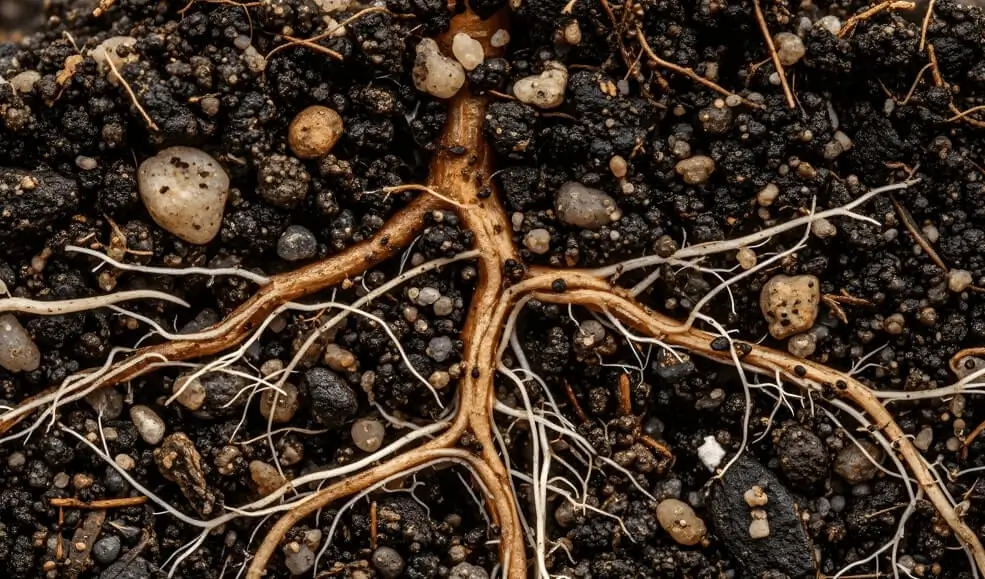
Root rot is one of the most common problems that kills container fruit plants, especially for beginners. Overwatering, poor drainage, and compact soil can quickly damage roots and weaken your plants. The good news is that root rot is preventable with the right soil mix, watering habits, and container setup. In this complete beginner’s guide, you’ll learn how to avoid root rot in container fruit plants and keep your roots healthy, strong, and productive all year long.
Why Root Rot Matters for Container Fruit Gardening
Root rot isn’t just a minor setback—it can kill container-grown fruit plants quickly if ignored.
In containers, roots depend entirely on you for:
- Oxygen
- Drainage
- Proper moisture balance
When soil stays wet for too long, oxygen levels drop. Roots begin to suffocate, beneficial microbes die off, and harmful fungi take over. This is why root rot is far more common in pots than in the ground.
For fruit plants, the consequences are even more serious:
- Reduced nutrient uptake → weak growth
- Poor flowering and fruiting
- Increased vulnerability to pests and disease
- Eventual plant death
If you’ve ever struggled with soggy pots or slow-draining soil, learning how to avoid root rot is one of the most important skills you can master.
What Actually Causes Root Rot in Containers?
Before fixing the problem, you need to understand the real causes.
Root rot is rarely caused solely by “too much water.” It’s usually a combination of factors, including:
- Poor drainage
- Compact or degraded potting soil
- Oversized containers that stay wet too long
- Lack of airflow around roots
- Frequent shallow watering
- Containers without proper drainage holes
Many beginners focus on watering less, but the real solution is better soil structure and drainage.
Step-by-Step: How to Avoid Root Rot in Container Fruit Plants
1. Start With Fast-Draining, Root-Friendly Soil
The foundation of healthy roots is the right soil mix.
Avoid:
- Garden soil
- Heavy compost-only mixes
- Old, compacted potting soil
Instead, use a mix that balances:
- Drainage
- Moisture retention
- Air pockets for roots
A good container fruit tree mix typically includes:
- High-quality potting soil
- Perlite or pumice for airflow
- A moderate amount of compost or worm castings
If your soil stays wet for days, it’s time to upgrade. You may also want to review how to improve poor potting soil to restore structure and drainage before root damage begins.
2. Choose Containers That Actually Drain
Not all pots are created equal.
To avoid root rot:
- Always use containers with drainage holes.
- Avoid decorative pots without drainage holes to prevent water from pooling.
- Elevate pots slightly so water can escape freely.
Terracotta and fabric grow bags dry faster and improve oxygen flow, making them excellent choices for beginners.
Plastic pots can work, but only if drainage is excellent and watering is carefully managed.
3. Match Container Size to Root System
Oversized pots are a hidden cause of root rot.
When a container is too large:
- Soil stays wet longer.
- Roots can’t use moisture efficiently.
- Fungal conditions develop easily.
Rule of thumb:
- Size up gradually as the plant grows.
- Avoid jumping straight to a very large container.
If you’re unsure whether your pot size is right, checking how deep the soil should be for fruit trees in containers can help you make better sizing decisions.
4. Water Deeply—but Only When Needed
One of the most important lessons in avoiding root rot is proper timing of watering.
Do:
- Water thoroughly until the excess drains out
- Let the top 2–3 inches of soil dry before watering again.
- Use your finger or a moisture meter to check soil depth.
Don’t:
- Water on a fixed schedule
- Add “just a little” water frequently.
- Water the pot if it feels heavy
Healthy watering habits go hand in hand with balancing drainage and moisture—a skill every container gardener should develop early.
5. Improve Oxygen Flow Around Roots
Roots need oxygen as much as they need water.
To increase airflow:
- Use perlite, pumice, or bark in soil mixes.
- Avoid compacting soil when potting.
- Repot every 1–2 years to refresh the soil.
- Avoid leaving pots sitting in saucers full of water.
Poor airflow is often the silent trigger that turns wet soil into root rot.
Early Warning Signs You Should Never Ignore
Catching root rot early can save your plant.
Watch for:
- Yellowing leaves despite moist soil
- Wilting even after watering
- Slow or stunted growth
- Mushy or dark roots when inspected
- Sour or rotten smell from the soil
If you notice these signs, stop watering immediately and inspect the root zone. In many cases, signs that your soil needs changing appear before full root rot sets in.
Common Mistakes Beginners Make (and How to Fix Them)
Mistake 1: Using Garden Soil in Pots
Garden soil compacts easily and suffocates roots.
Fix: Use only container-specific soil blends.
Fix: Use only container-specific soil blends.
Mistake 2: No Drainage Holes
Even perfect soil can’t save a sealed pot.
Fix: Drill holes or switch containers.
Fix: Drill holes or switch containers.
Mistake 3: Watering on a Schedule
Plants don’t follow calendars.
Fix: Water based on soil moisture, not time.
Fix: Water based on soil moisture, not time.
Mistake 4: Ignoring Soil Aging
Old soil loses structure over time.
Fix: Refresh or replace soil regularly.
Fix: Refresh or replace soil regularly.
Mistake 5: Over-fertilizing
Excess nutrients can burn roots and worsen rot conditions.
Fix: Learn how nutrient stress contributes to root problems by understanding nutrient burn in potted fruit trees.
Fix: Learn how nutrient stress contributes to root problems by understanding nutrient burn in potted fruit trees.
Tools, Soil, and Care Tips That Prevent Root Rot
Helpful tools:
- Moisture meter (optional, but useful)
- Well-draining containers
- Pot feet or risers
- Perlite or pumice amendments
Smart care habits:
- Repot every 12–24 months.
- Flush soil occasionally to remove salts.
- Avoid letting pots sit in standing water.
- Adjust watering seasonally
If you grow indoors, choosing the best soil for indoor fruit trees is especially important, as evaporation is slower and airflow is limited.
FAQ: How to Avoid Root Rot (People Also Ask)
How do I know if my plant has root rot?
Look for yellowing leaves, constant wilting, soggy soil, and a bad smell. Confirm by gently checking root colour—healthy roots are firm and light-colored.
Can a plant recover from root rot?
Yes, if caught early. Remove affected roots, replace soil, improve drainage, and adjust watering habits.
How often should I water to prevent root rot?
There’s no fixed schedule. Water only when the top few inches of soil are dry, and the pot feels lighter.
Does root rot spread to other plants?
The fungi responsible can spread through contaminated soil or shared tools, so isolate affected plants.
Are some fruit plants more prone to root rot?
Yes. Citrus, figs, and stone fruits are especially sensitive to waterlogged soil in containers.
Conclusion: Your Root Rot Prevention Checklist
Learning how to avoid root rot comes down to mastering a few core principles:
- Use fast-draining, airy soil.
- Choose the right container and size.
- Water deeply but only when needed
- Maintain oxygen flow to roots.
- Refresh soil before problems start.
If you apply these steps consistently, root rot becomes rare—and your container fruit plants will reward you with stronger growth, healthier roots, and better harvests.
Next steps:
Inspect your current containers today. Check drainage, soil condition, and watering habits. Small adjustments now can prevent major losses later—and set your garden up for long-term success.
Inspect your current containers today. Check drainage, soil condition, and watering habits. Small adjustments now can prevent major losses later—and set your garden up for long-term success.