
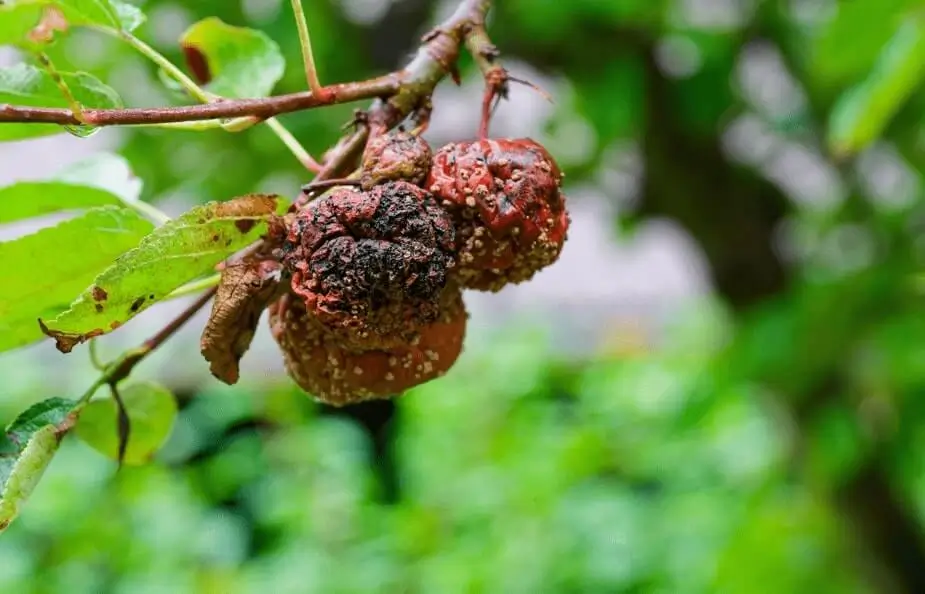
Are your fruit trees showing signs of decline despite regular watering and care? Poor drainage could be the hidden culprit suffocating your roots and leading to serious damage. When excess water cannot escape, it creates a waterlogged environment that weakens roots, encourages disease, and slowly kills your tree. In this guide, you’ll discover the key causes, warning signs, and proven solutions to fix poor drainage and save your fruit trees before it’s too late.
Why Fruit Trees Dying From Poor Drainage Is So Common in Containers
Container fruit trees depend entirely on you to manage water flow. Unlike trees in the ground, excess water in pots has nowhere to go unless drainage is designed correctly.
What happens when drainage fails?
- Soil stays saturated for days
- Roots suffocate due to lack of oxygen
- Beneficial microbes die off
- Fungal diseases thrive
- Fine feeder roots rot first, then major roots
This process often starts silently below the soil surface. By the time leaves turn yellow or fall off, the damage is already underway.
If you’ve ever dealt with yellowing leaves on potted fruit trees, poor drainage is often the hidden cause — even when watering “seems normal.”
Signs Your Fruit Tree Is Dying From Poor Drainage
Many symptoms of drainage problems look similar to other issues, which makes misdiagnosis common.
Above-soil warning signs
- Yellow leaves that don’t improve with fertilizer
- Wilting despite wet soil
- Leaf drop during warm weather
- Stunted growth or no new leaves
- Mold or algae on soil surface
Below-soil warning signs
- Sour or rotten smell from soil
- Black, mushy, or brown roots
- Soil that stays wet for days after watering
If your tree looks unhealthy and the pot feels heavy long after watering, compare these symptoms with overwatering stress in container fruit trees — the two problems are closely linked.
Why Drainage Matters More Than Watering Frequency
Most gardeners focus on how often they water. In container fruit gardening, how fast water drains matters far more.
A well-draining pot should:
- Release excess water within seconds
- Feel lighter within 24–48 hours
- Never stay soggy at the bottom
Poor drainage causes the same damage as constant overwatering, even if you water only once a week. That’s why many trees decline slowly and mysteriously.
To understand this balance better, see how drainage problems differ from underwatering fruit trees in pots — the symptoms can look similar, but the fixes are opposite.
Step-by-Step: How to Fix Fruit Trees Dying From Poor Drainage
Step 1: Check the drainage holes immediately
- Ensure at least one large drainage hole
- Multiple holes are better than one
- Clear debris, roots, or compacted soil blocking exits
- Never rely on decorative pots without holes
Quick test: Water thoroughly. If water doesn’t flow out freely, drainage is inadequate.
Step 2: Stop watering until soil partially dries
Before making changes:
- Let the top 2–3 inches of soil dry
- Move the pot to a warm, airy location
- Avoid fertilizing during recovery
Adding water to already saturated soil only accelerates root rot.
Step 3: Repot using a fast-draining soil mix
Remove the tree carefully and inspect the roots.
Healthy roots:
- Firm
- Light-colored
- Smell fresh
Rotten roots:
- Dark brown or black
- Mushy
- Smell sour
Trim damaged roots with sterile scissors.
Ideal container soil mix for fruit trees
- 50% high-quality potting mix
- 25% perlite or pumice
- 25% compost or pine bark fines
Avoid garden soil — it compacts and traps water.
For persistent soggy soil issues, this approach aligns closely with proven fixes for waterlogged soil in fruit tree pots.
Step 4: Choose the right container size and material
Common mistake: Jumping to an oversized pot.
- Too large = soil stays wet too long
- Size up gradually (2–4 inches wider)
- Match pot size to root ball, not canopy
Best materials for drainage:
- Terracotta (breathable, dries faster)
- Fabric grow bags
- Wooden planters with liners
Plastic pots retain moisture longer and require extra drainage care.
Step 5: Elevate the pot and improve airflow
- Raise containers on pot feet or bricks
- Prevent water pooling underneath
- Improve air circulation around roots
This simple step alone can reduce root rot risk by 30–40%.
Best Soil, Tools, and Add-ons for Drainage Success
Soil components that improve drainage
- Perlite
- Pumice
- Pine bark fines
- Coarse sand (limited amounts)
Tools worth having
- Moisture meter (use as a guide, not a rule)
- Pruning shears (for root trimming)
- Pot feet or risers
Optional (but helpful)
- Mycorrhizal fungi to support root recovery
- Beneficial microbes to rebalance soil life
Avoid gravel layers at the bottom — they worsen drainage by creating a perched water table.
Common Beginner Mistakes That Kill Fruit Trees
1. Using decorative pots with no drainage
Looks good, kills roots.
2. Watering on a schedule
Always water based on soil moisture, not the calendar.
3. Assuming yellow leaves mean fertilizer deficiency
In many cases, it’s actually root suffocation.
4. Ignoring early warning signs
Leaf drop and slow growth rarely fix themselves.
If your tree has stopped flowering or fruiting after drainage issues, compare the symptoms with why container fruit trees fail to bloom — root stress is a leading cause.
Preventing Drainage Problems Long-Term
- Refresh soil every 1–2 years
- Downsize watering in cool weather
- Adjust soil mix as trees mature
- Check drainage holes every season
- Match pot type to your climate
Hot climates dry soil faster, while humid or cool regions require extra drainage attention.
FAQ: Fruit Trees Dying From Poor Drainage
Can a fruit tree recover from poor drainage?
Yes — if root rot is caught early and drainage is corrected immediately.
How long does it take to see improvement?
New growth usually appears within 2–4 weeks after repotting.
Should I drill extra holes in plastic pots?
Yes. More holes significantly reduce water retention.
Is root rot always fatal?
No. Partial root loss is recoverable with proper care.
Can mulch make drainage worse?
Heavy mulch can trap moisture. Use thin layers only.
Conclusion: Save Your Fruit Tree Before Roots Fail
Fruit trees dying from poor drainage don’t need more water — they need oxygen, airflow, and fast-draining soil. Once you understand how container drainage works, preventing root rot becomes straightforward and repeatable.
Your next steps:
- Check drainage holes today
- Repot if soil stays wet too long
- Adjust pot size and soil mix
- Water only when the soil needs it
Master drainage now, and your container fruit trees will reward you with stronger growth, better flowering, and healthier harvests for years to come.