
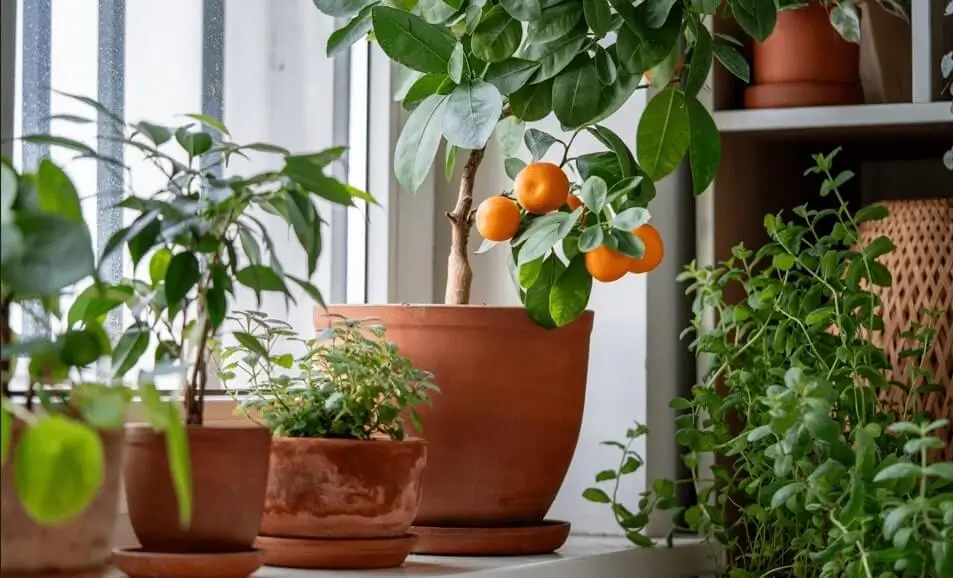
Indoor fruit gardening is one of the easiest and most rewarding ways to enjoy fresh fruit all year round, even if you live in a small apartment or don’t have outdoor space. With the right light, containers, and beginner-friendly fruit plants, you can successfully grow delicious fruits inside your home while adding natural beauty to your living space. This complete beginner’s guide explains everything you need to know about indoor fruit gardening, from choosing the best indoor fruit plants to caring for them properly for healthy growth and tasty harvests.
What Is Indoor Fruit Gardening?
Indoor fruit gardening is the practice of growing fruit-bearing plants inside your home using containers, controlled lighting, and proper care. Unlike outdoor gardening, indoor growing lets you control temperature, moisture, and light year-round.
This method is ideal for:
- Apartment and condo dwellers
- Gardeners in cold or extreme climates
- Beginners who want full control over growing conditions
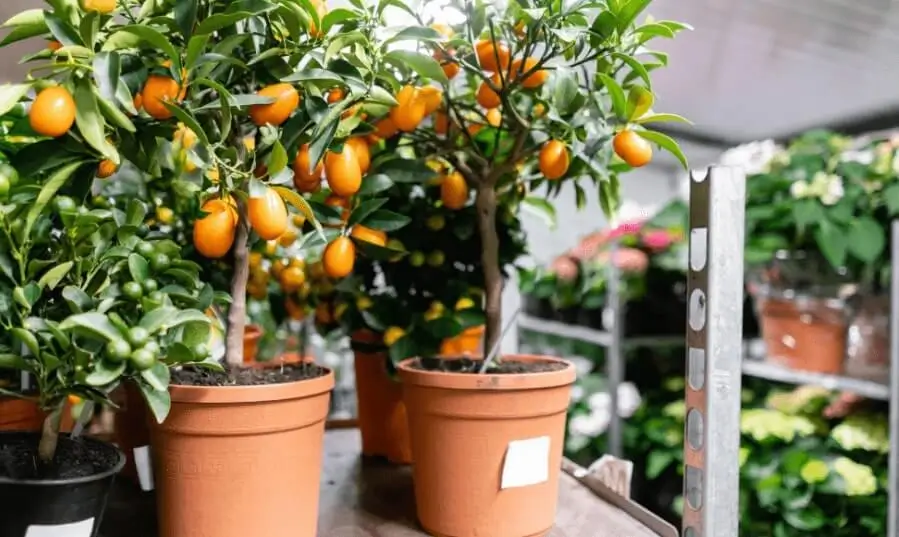
Indoor fruit plants are usually dwarf varieties bred for containers, making them easier to manage in limited space.
Benefits of Growing Fruit Indoors
Growing fruit inside your home offers several unique advantages:
- Year-round growing without weather stress
- Fewer pests and diseases compared to outdoor plants
- Efficient use of space in small homes
- Fresh, chemical-free fruit at arm’s reach
- Decorative value—fruit plants double as houseplants
For beginners, indoor setups are also easier to monitor, making mistakes easier to fix early.
Best Fruits for Indoor Fruit Gardening (Beginner-Friendly)
Not all fruits thrive indoors. Choose compact, container-friendly plants that adapt well to limited light.
Top Fruits to Grow Indoors
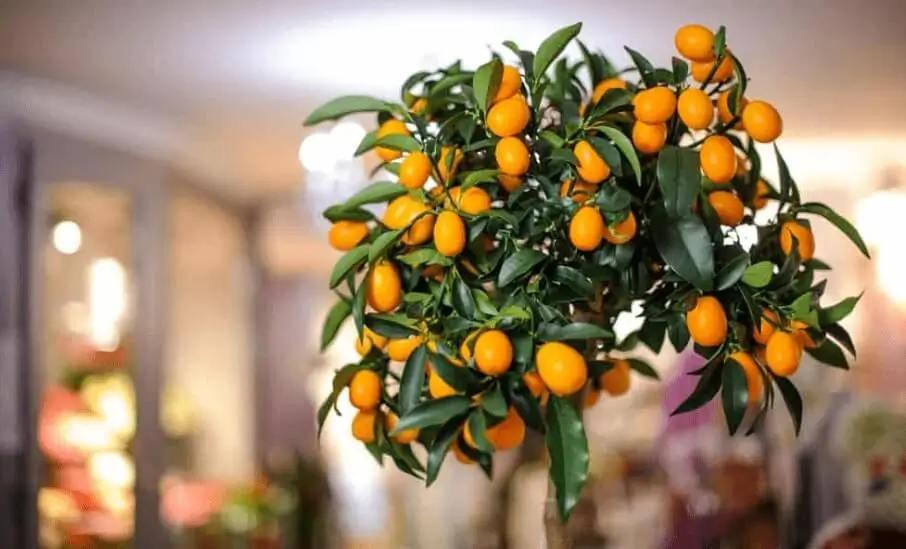
- Citrus trees (lemon, lime, calamondin)
- Strawberries
- Figs (dwarf varieties)
- Dwarf bananas
- Blueberries (compact cultivars)
These fruits respond well to container care and controlled environments.
Indoor Fruit Gardening Setup: Step by Step
1. Choosing the Right Containers
- Use pots with drainage holes.
- Start with 12–18-inch containers for dwarf trees.
- Lightweight pots are ideal for indoor movement.
If you’re new to container growing, explore container fruit gardening for beginners to learn more about sizing and materials.
2. Light Requirements (Most Important Factor)
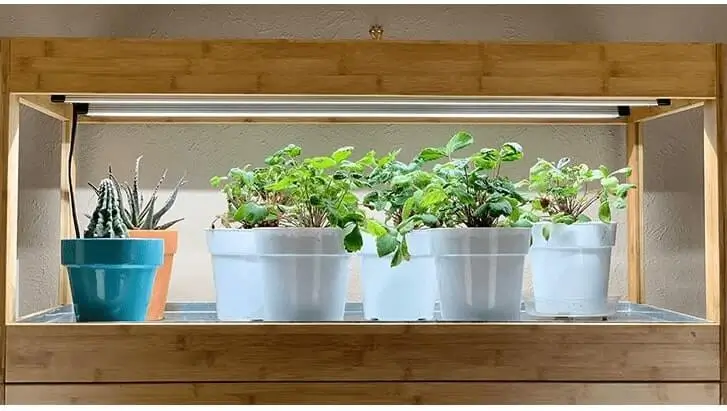
Fruit plants need 6–8 hours of strong light daily.
Best options:
- South-facing windows
- Supplemental LED grow lights.
- Full-spectrum lights during winter
Without adequate light, plants may grow leaves but fail to produce fruit.
3. Best Soil for Indoor Fruit Plants
Indoor fruit plants need loose, well-draining soil that holds moisture without becoming soggy.
Look for:
- High-quality potting mix
- Added perlite or sand
- Slightly acidic pH for most fruits
Using the best soil for fruit in pots ensures healthy roots and better nutrient uptake.
4. Watering Indoor Fruit Plants Correctly
Overwatering is one of the most common beginner mistakes.
Basic rules:
- Water only when the top 2 inches of soil are dry
- Empty saucers to prevent root rot
- Adjust watering by season.
Following a reliable watering schedule for potted fruit helps prevent stress and disease.
Fertilizing Indoor Fruit Plants
Indoor plants rely entirely on you for nutrients.
Fertilizing Tips:
- Use balanced, slow-release fertilizer.
- Feed every 4–6 weeks during active growth.
- Reduce feeding in winter.
For optimal results, follow best practices for fertilizing fruit trees in containers, especially for citrus and figs.
Pollination Indoors: Do You Need to Help?
Some indoor fruit plants require hand pollination.
- Self-pollinating plants: citrus, strawberries
- Manual pollination: gently use a soft brush or cotton swab
Good airflow and light also improve natural pollination indoors.
Common Indoor Fruit Gardening Mistakes
Avoid these beginner pitfalls:
- ❌ Insufficient light
- ❌ Overwatering
- ❌ Using garden soil indoors
- ❌ Ignoring pruning
- ❌ Expecting instant fruit
Indoor fruit gardening rewards patience and consistency.
Tips for Success With Indoor Fruit Gardening
- Rotate plants weekly for even light.
- Prune lightly to control size.
- Use humidity trays in dry homes.
- Monitor leaves for early signs of stress.
Small adjustments make a big difference indoors.
Frequently Asked Questions (FAQ)
Can fruit trees really grow indoors?
Yes, dwarf varieties can thrive indoors with enough light, proper soil, and regular care.
What is the easiest fruit to grow indoors?
Strawberries and dwarf citrus trees are among the easiest for beginners.
Do indoor fruit plants need grow lights?
Often yes—especially in winter or low-light homes.
How long does it take to get fruit indoors?
Most plants produce fruit within 1–2 years, depending on variety and care.
Can I grow fruit indoors year-round?
Yes, indoor conditions allow year-round growth with proper lighting and temperature.
Conclusion: Start Your Indoor Fruit Gardening Journey Today
Indoor fruit gardening proves that anyone—regardless of space—can grow fresh, delicious fruit at home. With the right containers, lighting, soil, and care routine, even beginners can enjoy productive plants indoors.
If you’re ready to go further, explore more guides on GrowFruitly.com to master container growing, watering, and feeding techniques—and turn your home into a thriving indoor fruit garden 🍋🌿