

Watering fruit trees in winter can be confusing, especially when growing trees in containers or small spaces. Many gardeners assume fruit trees need little or no water during cold weather, but improper watering can lead to root rot, dry roots, leaf drop, and weak spring growth. Container-grown fruit trees dry out differently than trees planted in the ground, making winter care even more important.
In this guide, you’ll learn how often to water fruit trees in winter, how to avoid overwatering, and the best watering practices for potted fruit trees during the colder months. Whether you grow lemons, oranges, figs, or other dwarf fruit trees on a balcony, patio, or small backyard, these winter watering tips will help keep your trees healthy until spring arrives.
Why Watering Fruit Trees in Winter Matters (Especially in Containers)
Key reasons winter watering matters:
- Containers dry out faster than ground soil.
- Cold air + wind causes moisture loss.
- Evergreen and citrus trees continue to use water.
- Dry roots are more vulnerable to frost damage.
How Fruit Trees Behave in Winter (Dormant vs Evergreen)
Deciduous fruit trees
- Lose leaves in winter.
- Growth pauses
- Water needs drop significantly.
- Still requires occasional moisture.
Evergreen & citrus trees
- Keep leaves year-round
- Continue slow metabolic activity.
- Require more frequent winter watering.
Step-by-Step: How to Water Fruit Trees in Winter Correctly

Step 1: Always check soil moisture first
- Insert your finger 2–3 inches deep.
- If the soil feels dry → water.
- If cool and slightly moist → wait.
Step 2: Water less often—but deeply
- Water only when needed
- Apply slowly until water drains from the bottom.
- Empty saucers to prevent standing water
Step 3: Choose the right time of day
- Late morning to early afternoon is ideal.
- Avoid watering in the evening.
- This reduces the risk of overnight root freezing.
Step 4: Adjust based on the weather
- Winter is dry and windy.
- Trees are under cover (balcony, roof)
- Pots are exposed to the sun.
- Rain reaches containers
- Soil stays wet for days.
- Temperatures remain near freezing.
How Often Should You Water Fruit Trees in Winter?
General guidelines
- Deciduous trees: every 3–5 weeks
- Citrus & evergreen trees: every 2–3 weeks
- Indoor overwintered trees: every 7–14 days
Common Winter Watering Mistakes Beginners Make
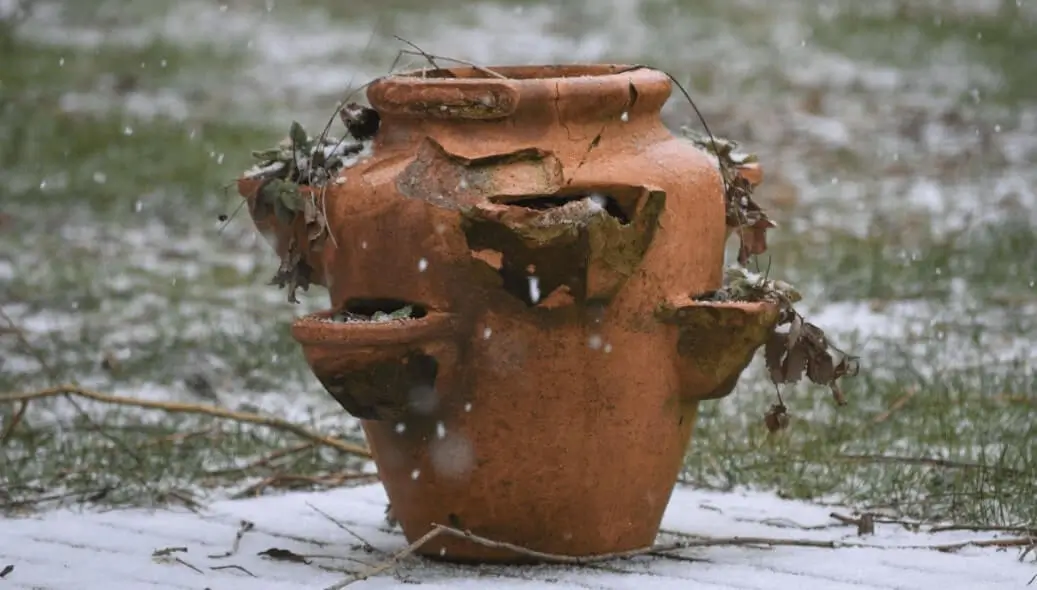
1. Overwatering dormant trees
2. Watering frozen soil
3. Ignoring wind exposure
4. Leaving pots in saucers
5. Treating winter like summer
Soil, Containers & Tools That Improve Winter Watering Success
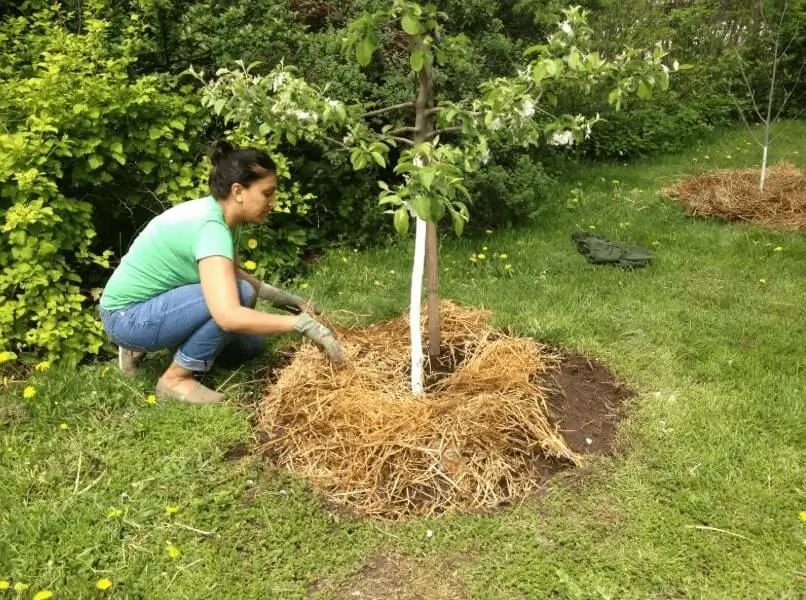
Use well-draining soil
- Avoid heavy garden soil.
- Choose mixes with compost, perlite, or bark.
- Good drainage prevents winter root rot.
Mulch the soil surface.
- Straw, bark, or wood chips
- Reduces evaporation
- Buffers temperature swings
Choose the right container.
- Fabric pots dry faster (need closer monitoring)
- Plastic retains moisture longer.
- Ensure drainage holes are clear.
Helpful tools
- Moisture meter (basic models work fine)
- Insulated pot feet
- Frost cloths (do not trap moisture)
Special Situations: Balcony, Indoor & Cold Climate Trees
Balcony-grown fruit trees
- Often sheltered from rain.
- Check moisture more frequently.
- Wind exposure increases drying.
Indoor overwintered trees
- Heated air dries soil quickly.
- Use smaller, more frequent watering.
- Ensure bright light to balance moisture use.
Very cold climates
- Water lightly before deep freezes
- Dry soil freezes harder than moist soil.
- Never soak the soil before frost events.
FAQ: Watering Fruit Trees in Winter
Do fruit trees need water in winter?
Can I overwater fruit trees in winter?
Should I water fruit trees before frost?
How do I know if my tree is too dry?
Should I fertilize while watering in winter?
Conclusion: A Simple Winter Watering Plan That Works
Your winter watering checklist:
- Check the soil before every watering.
- Water only when needed
- Avoid frozen or saturated soil.
- Adjust for tree type and exposure.
- Resume normal watering gradually in spring.