
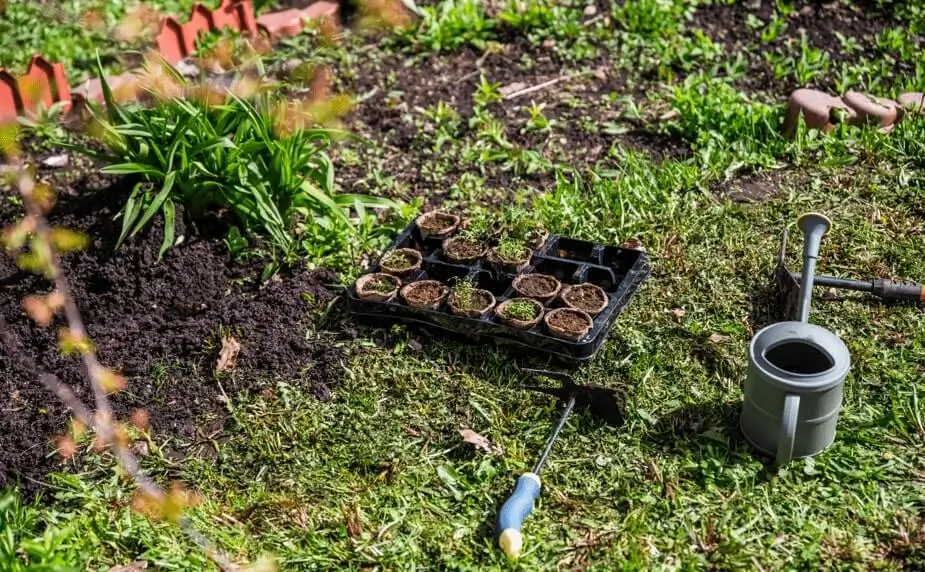
Growing fruit at home is easier than ever, but choosing between containers and in-ground gardening can feel overwhelming for beginners. Each method has its own advantages, challenges, and ideal growing conditions. Container gardening offers flexibility, mobility, and space-saving benefits, while growing fruit directly in the ground often provides stronger root development and larger harvests. Understanding the differences between these two approaches helps gardeners make the best choice for their climate, available space, and long-term gardening goals. Whether you have a small balcony, a backyard orchard, or limited outdoor space, this guide will help you decide which fruit-growing method is right for you.
Why Growing Fruit in Containers vs. the Ground Matters
Choosing between containers and ground planting isn’t just about space—it directly impacts how your fruit plants grow, fruit, and survive over time.
The Core Difference: Root Freedom vs Control
- Ground planting gives roots unlimited space, stable moisture, and natural soil life.
- Container gardening gives you full control over soil quality, watering, and plant location—but limits root expansion.
If you garden on a balcony, patio, rooftop, or rental property, containers may be your only option. But if you have yard space with decent soil, ground planting can offer long-term advantages.
This decision matters even more for fruit plants because:
- Fruit trees and shrubs are long-term crops.
- Root health directly affects flowering and fruiting.
- Stress (from poor drainage, compact soil, or drought) reduces yields.
Many of the problems gardeners face—like slow growth, yellow leaves, or fruit drop—are closely tied to choosing the wrong growing method for their situation.
Growing Fruit in Containers: Pros, Cons, and Best Uses
Advantages of Growing Fruit in Containers
Container fruit gardening is ideal for beginners and small-space growers because it offers control and flexibility.
Key benefits include:
- Perfect for small spaces (balconies, patios, rooftops)
- Portable plants—move them for sunlight, frost protection, or storms.
- Full control over soil quality (no poor native soil issues)
- Easier pest and disease management
- Great for dwarf and semi-dwarf varieties
If you’re new to fruit gardening, containers allow you to correct mistakes quickly—something that’s much harder with in-ground trees.
You can see how this flexibility helps apartment growers in our detailed guide, “Can You Grow Fruit Trees in Apartments.”
Disadvantages of Container Fruit Growing
Despite the benefits, container growing has clear limits.
Common challenges include:
- Roots become restricted over time.
- Plants dry out much faster than in-ground ones.
- Requires frequent watering and feeding
- Long-term yields are usually smaller.
- Containers can overheat in hot climates.
Without proper care, container plants often show signs like slow growth or weak flowering. If this sounds familiar, our article on the slow growth of fruit trees in containers explains how to fix these issues.
Best Fruits to Grow in Containers
Some fruit plants naturally adapt better to container life.
Top container-friendly fruits include:
- Citrus (lemon, lime, calamondin)
- Figs
- Strawberries
- Blueberries
- Dwarf apples and peaches
- Raspberries and blackberries (with support)
Choosing the right plant variety is just as important as the container itself.
Growing Fruit in the Ground: Strengths and Limitations
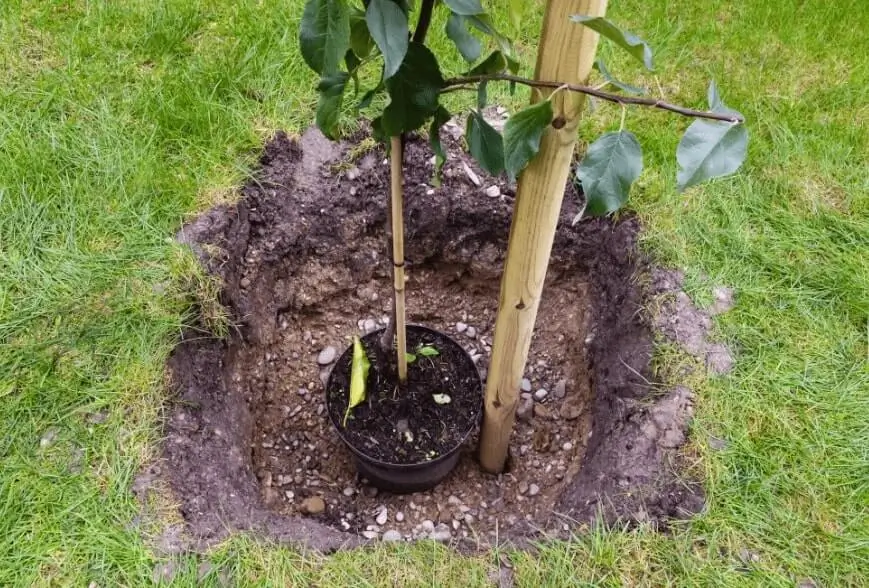
Advantages of Growing Fruit in the Ground
When soil conditions are good, ground planting offers unmatched long-term benefits.
Major advantages include:
- Unlimited root growth
- More stable moisture levels
- Less frequent watering
- Higher long-term yields
- Stronger, more resilient plants
Fruit trees planted in the ground often live longer and produce more consistently year after year.
Disadvantages of Ground Planting
Ground planting isn’t always ideal—especially for beginners.
Potential drawbacks:
- Poor native soil can limit success.
- Harder to fix drainage or nutrient issues
- Trees are permanent once planted.
- More exposure to soil-borne pests and diseases
- Requires more space
If your soil drains poorly or lacks nutrients, trees may struggle to flower or fruit. Many gardeners encounter these issues without realizing that the soil is the main problem.
Step-by-Step: How to Choose Between Containers and Ground
Step 1: Evaluate Your Space
- No yard or limited space? Containers are your best option.
- Large garden with good soil? Ground planting may be ideal.
Step 2: Consider Your Climate
- Cold winters → Containers allow indoor protection.
- Hot climates → Ground planting offers cooler root zones
Step 3: Decide on Maintenance Level
- Containers = more frequent watering and feeding
- Ground = less daily care once established
Step 4: Think Long-Term
- Short-term or rental property → Containers
- Permanent garden → Ground planting
Containers vs Ground: Side-by-Side Comparison
| Feature | Containers | Ground |
| Space needed | Minimal | Moderate to large |
| Root growth | Limited | Unlimited |
| Watering | Frequent | Less frequent |
| Soil control | Full | Limited |
| Mobility | Yes | No |
| Yield potential | Medium | High |
| Beginner-friendly | Very | Moderate |
Common Mistakes Beginners Make
1. Using Containers That Are Too Small
Small pots restrict roots and cause stress. This is one of the most common reasons for poor fruiting. If you’re unsure, see our guide on the best pot size for fruit trees in containers.
2. Assuming Containers Need Less Care
Container plants actually need more attention, especially watering and feeding.
3. Ignoring Soil Quality in Ground Planting
Planting directly into poor soil without improvement leads to weak growth and nutrient deficiencies.
4. Choosing the Wrong Variety
Standard fruit trees struggle in containers. Always choose dwarf or container-labelled varieties.
Tools, Soil, and Care Tips for Both Methods
Soil Recommendations
- Containers: Use high-quality, well-draining potting mix (never garden soil)
- Ground: Improve native soil with compost and organic matter
Watering Tips
Container plants dry out quickly. Follow a consistent watering schedule, as explained in our complete guide to watering potted fruit plants.
Ground-planted trees need deep, infrequent watering to encourage strong roots.
Fertilizing
- Containers: Light, frequent feeding
- Ground: Seasonal feeding with compost or balanced fertilizer
Mulching
Mulching helps both methods by:
- Retaining moisture
- Regulating soil temperature
- Reducing weeds
FAQ: Growing Fruit in Containers vs Ground
Is fruit grown in containers as productive as in the ground?
Container plants can be productive, but yields are usually smaller due to limited root space.
Can I move a fruit tree from a container to the ground later?
Yes, and many gardeners do this successfully once the tree outgrows its pot.
Do container fruit trees live as long?
Typically, no—ground-planted trees have longer lifespans.
Which method is better for beginners?
Containers are often easier for beginners because they allow better soil control and greater mobility.
Can all fruit trees grow in containers?
No. Only dwarf or compact varieties are suitable for long-term use.
Conclusion: Which One Should You Choose?
When it comes to growing fruit in containers vs. the ground, there is no one-size-fits-all answer. Containers are perfect for small spaces, beginners, and gardeners who want flexibility and control. Ground planting is best for long-term production, larger harvests, and gardeners with suitable soil and space.
Your next steps:
- Assess your space and climate.
- Choose the right fruit varieties.
- Match your growing method to your lifestyle.
- Start small and expand as you gain experience.
Whichever path you choose, the key to success is understanding your plants’ needs—and growing them in a way that supports healthy roots, balanced growth, and consistent fruiting.