
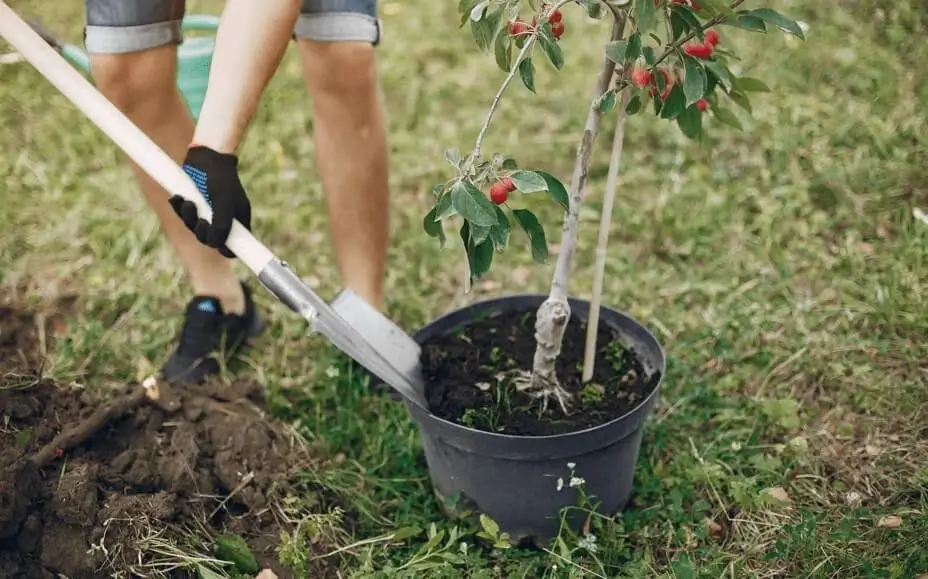
Training fruit trees in containers is one of the best ways to control growth, improve fruit production, and create healthier plants in small spaces. Whether you grow citrus, figs, apples, peaches, or tropical fruit trees in pots, proper training helps shape the tree for stronger branches, better airflow, easier harvesting, and improved sunlight exposure. Beginners often skip this important step, but learning how to train fruit trees in pots can dramatically increase long-term success. In this guide, you’ll discover simple step-by-step techniques to train container fruit trees correctly from the start.
Why Training Fruit Trees in Pots Matters
Container fruit trees live in a controlled, restricted environment. Unlike trees in the ground, they can’t rely on deep roots or unlimited space to balance growth naturally. Training is essential because it helps you:
- Control size and shape – keeping trees compact and manageable
- Improve sunlight exposure – better light equals better fruit.
- Increase airflow – reducing disease risk.
- Encourage earlier and heavier fruiting.
- Prevent weak or broken branches caused by uneven growth.
For gardeners growing fruit in small spaces, training is just as important as watering or feeding. If you’re new to containers, you may want to first understand the basics in our guide on how to start container fruit gardening from scratch, which explains how pot size, root restriction, and care all work together.
Best Training Styles for Fruit Trees in Pots
Not all training methods suit containers. Below are the most effective styles for potted fruit trees, especially for beginners.
1. Central Leader (Best for Dwarf Trees)
This method keeps one main upright stem (the leader) with evenly spaced side branches.
Best for:
- Apple, pear, cherry (dwarf or semi-dwarf)
- Larger pots (40–60 litres or more)
Why it works in containers:
- Maintains balance
- Prevents overcrowding
- Easy to manage long-term
2. Open Center (Vase Shape)
The center is kept open by removing the main leader, encouraging outward growth.
Best for:
- Peach, nectarine, plum
- Sunny balconies or patios
Benefits:
- Excellent light penetration
- Easier harvesting
- Reduced disease risk
3. Espalier (Perfect for Tight Spaces)
Branches are trained flat against a wall, fence, or trellis.
Best for:
- Apples, pears, figs
- Balconies, terraces, and walls
Espalier pairs beautifully with small spaces. If you grow on vertical surfaces, you’ll also enjoy our guide on growing fruit trees on small terraces, where espalier techniques shine.
4. Bush or Compact Form
A low, rounded structure with multiple short branches.
Best for:
- Citrus trees
- Berries grown as standards
This form works well when combined with proper pot sizing, as we explain in detail in our article on how deep fruit tree containers should be.
Step-by-Step: How to Train Fruit Trees in Pots
Step 1: Start Training Early
The best time to train a fruit tree is within its first 1–2 years. Young branches are flexible and respond quickly to shaping.
- Begin right after planting or during the first dormant season.
- Avoid heavy training on mature, neglected trees in one go.
Step 2: Choose the Right Pot and Support
Before training begins, ensure the container supports your goal:
- Pot size: Minimum 30–40 litres for dwarf trees
- Material: Heavy pots (terracotta or thick plastic) for stability
- Drainage: Essential to avoid root stress
A sturdy stake, bamboo cane, or trellis is crucial. Poor container choice can sabotage training, which is why many gardeners review choosing the right container material for fruit trees early on.
Step 3: Identify the Main Structure
Decide your training style and identify:
- The main leader (or leaders)
- Strong, well-spaced lateral branches
- Weak, crossing, or inward-facing shoots
Remove only what’s necessary at this stage.
Step 4: Use Gentle Pruning to Guide Growth
Pruning isn’t about cutting everything back—it’s about direction.
- Cut just above outward-facing buds.
- Remove vertical shoots that compete with the leader.
- Shorten overly long branches to encourage side growth.
If pruning feels intimidating, revisit our beginner-friendly guide on container fruit gardening monthly tasks, which breaks pruning into seasonal steps.
Step 5: Bend and Tie (Instead of Cutting)
In containers, branch bending is often better than heavy pruning.
- Use soft ties or garden twine.
- Gently pull branches to a 45–60° angle.
- Secure them to stakes, pot rims, or trellises.
This technique:
- Slows excessive growth
- Encourages fruit bud formation
- Maintains compact size
Step 6: Maintain Shape Throughout the Season
Training is ongoing, not a one-time task.
- Check ties monthly
- Remove water sprouts (vigorous upright shoots)
- Lightly pinch new growth in summer.
Balanced feeding also matters—overfeeding can undo your hard work. If growth feels too aggressive, review how to feed potted fruit trees properly to avoid excess nitrogen.
Common Mistakes Beginners Make
❌ Letting the Tree Grow Freely “At First.”
Many beginners think training can wait. In reality, early neglect makes correction harder later.
❌ Over-Pruning in One Session
Removing too much at once can:
- Stress the tree
- Delay fruiting
- Trigger excessive leafy growth.
❌ Using Hard Wire or Tight Ties
These can cut into bark and permanently damage branches. Always use soft, adjustable materials.
❌ Ignoring Balance
A lopsided tree in a pot can tip over. Always aim for even branch distribution.
❌ Training Without Enough Sun
Even the best training fails without light. If sunlight is limited, see our tips on container fruit gardening without full sun to adapt your approach.
Tools and Care Tips for Training Success
Essential Tools
- Hand pruners (sharp and clean)
- Soft plant ties or rubber ties
- Bamboo stakes or a small trellis
- Disinfectant for tools
Soil and Feeding Tips
Healthy roots = responsive growth.
- Use a well-draining fruit tree potting mix.
- Refresh topsoil yearly
- Feed lightly but regularly during active growth.
Poor soil structure can restrict training success. That’s why many gardeners combine training with better soil strategies found in the best soil for fruit trees in pots.
Watering Matters
- Water deeply but consistently
- Avoid cycles of drought and flooding.
- Mulch the soil surface to stabilize moisture.
FAQ: Training Fruit Trees in Pots
Can all fruit trees be trained in containers?
Most fruit trees can be trained if grown on dwarf or semi-dwarf rootstocks. Apples, pears, citrus, figs, peaches, and cherries respond especially well.
How long does it take to train a potted fruit tree?
Basic structure forms in 1–2 years, but training and maintenance continue throughout the tree’s life.
Is pruning the same as training?
No. Pruning removes growth, while training guides growth direction. The best results combine both.
When is the best time to train fruit trees in pots?
- Structural training: late winter or early spring
- Maintenance training: late spring to summer
Can I retrain an older potted fruit tree?
Yes, but do it gradually over 2–3 seasons to avoid shock.
Conclusion: Your Next Steps to a Perfectly Trained Potted Fruit Tree
Training fruit trees in pots is the key to growing productive, healthy trees in small spaces. By choosing the right training style, starting early, using gentle pruning and branch bending, and avoiding common mistakes, you can shape beautiful, compact trees that reward you with abundant harvests year after year.
Next steps:
- Decide which training style suits your space.
- Inspect your tree’s current structure.
- Begin light pruning or bending this season.
With patience and consistency, your potted fruit tree won’t just survive—it will thrive. 🌱