
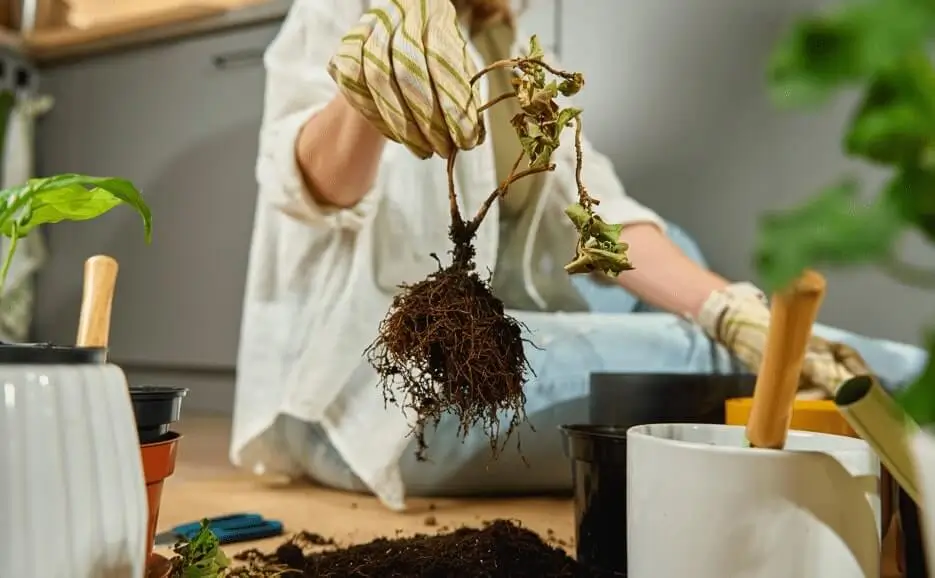
Planning is one of the most important steps in successful container fruit gardening. With the right layout, containers, sunlight strategy, and plant selection, even small spaces can produce healthy and productive fruit harvests. This guide helps beginners design a practical container fruit garden that maximizes space, improves plant health, and makes long-term maintenance easier.
Why Planning Matters in Container Fruit Gardening
Container fruit gardening has unique challenges that make planning essential:
Limited Root Space
Unlike in-ground trees, fruit plants in containers rely entirely on the pot size you provide. Poor planning leads to:
- Stunted growth
- Frequent watering stress
- Reduced fruiting
Long-Term Commitment
Most fruit trees are multi-year plants. Planning ensures:
- Containers won’t need constant upgrading.
- Plants can be moved or protected seasonally.
- Your setup remains manageable over time.
Cost Efficiency
Containers, soil, fertilizers, and tools add up quickly. A solid plan helps you:
- Avoid buying unsuitable pots.
- Choose fruits that actually thrive in your climate.
- Invest once, not repeatedly.
If you’re new to this style of growing, it helps to first understand how container fruit gardening works from scratch, which we cover in detail in our guide on starting container fruit gardening.
Step-by-Step Container Fruit Gardening Planning Guide
Step 1: Define Your Space and Growing Conditions
Before choosing any fruit plant, honestly evaluate your environment.
Ask yourself:
- How many hours of direct sunlight do I get daily?
- Is the space windy, shaded, or exposed?
- Can I move containers if needed?
Quick planning tips:
- South-facing balconies usually provide the best light.
- Windy terraces require heavier pots or wind barriers.
- Shaded spaces need carefully selected fruit types.
If sunlight is limited, this article on container fruit gardening without full sun will help you choose realistic options.
Step 2: Choose the Right Fruit for Containers
Not all fruit trees are suited to containers. Planning starts with choosing container-friendly fruit varieties.
Best fruit options for containers:
- Dwarf citrus (lemon, lime, calamondin)
- Figs (compact or dwarf varieties)
- Blueberries (require acidic soil)
- Strawberries
- Dwarf apples, peaches, or cherries
Planning rule:
Always check the mature container size of the plant—not just how small it looks at purchase.
Always check the mature container size of the plant—not just how small it looks at purchase.
To avoid disappointment, read our breakdown of the pros and cons of container fruit gardening before committing to specific fruit trees.
Step 3: Plan Container Size and Type in Advance
Container planning is one of the most overlooked steps.
General size guidelines:
- Small berries: 10–15 liters
- Dwarf trees: 30–60 litres
- Semi-dwarf trees: 60–100+ litres
Container material planning:
- Plastic: Lightweight, affordable, retains moisture.
- Fabric grow bags: Excellent drainage and root health.
- Terracotta: Attractive but dries out faster
Drainage holes are non-negotiable. If you’re unsure what tools and accessories you’ll need, our guide to essential container fruit gardening tools is a great starting point.
Step 4: Plan the Right Soil Mix (Not Garden Soil)
Soil planning directly impacts fruit quality and plant health.
Ideal container fruit soil should be:
- Well-draining
- Nutrient-rich
- Lightweight
- Able to retain moisture without waterlogging
Basic planning mix:
- High-quality potting soil
- Compost or worm castings
- Perlite or pumice for drainage
Avoid using garden soil—it compacts easily and suffocates roots. For a deeper explanation, check our complete article on the best soil for fruit trees in pots.
Step 5: Create a Watering Strategy Before You Plant
Container fruit plants dry out faster than ground-grown ones.
Planning considerations:
- How often can you water?
- Will you be away during the hot months?
- Can you collect rainwater?
Smart planning tips:
- Use mulch to reduce evaporation.
- Group containers to create humidity
- Consider self-watering containers for consistency.
Seasonal watering changes are important, too. Our monthly breakdown of container fruit gardening tasks explains exactly how watering needs shift throughout the year.
Step 6: Plan Nutrition and Feeding Schedules
Fruit trees in containers depend entirely on you for nutrients.
Feeding plan basics:
- Slow-release fertilizer at planting
- Liquid feeding during active growth
- Reduced feeding in winter
Planning fertilization early prevents nutrient deficiencies and weak fruiting. Learn exactly how to feed potted fruit trees step by step to avoid guesswork.
Step 7: Plan for Seasonal Protection
Seasonal planning is what separates struggling plants from long-term success.
Cold-weather planning:
- Insulate pots with bubble wrap or fabric.
- Move containers closer to the walls.
- Reduce watering
Hot-weather planning:
- Use shade cloth during heatwaves.
- Elevate pots from hot surfaces.
- Increase watering frequency
Detailed guides on protecting containers from cold and heat will help you prepare year-round.
Common Mistakes Beginners Make (and How to Avoid Them)
Choosing Full-Size Trees
Always choose dwarf or compact varieties designed for containers.
Starting with Small Pots
Upgrading pots every year stresses plants and wastes money.
Ignoring Long-Term Growth
Plan for 3–5 years ahead, not just the first season.
Overwatering or Underwatering
Inconsistent watering is the fastest way to kill container fruit plants.
Skipping Seasonal Planning
Containers need protection—ignoring weather extremes shortens plant lifespan.
Many of these myths are covered in detail in our article on common container fruit gardening myths.
Tools and Supplies to Plan Ahead
Essential planning tools:
- Measuring tape (for space planning)
- Pruning shears
- Watering can or drip system
- Mulch materials
- Plant labels (to track varieties)
Buying tools gradually based on your plan prevents clutter and unnecessary purchases.
FAQ: Container Fruit Gardening Planning Guide
How many fruit plants should I start with?
Start with 1–3 plants. Learn their needs before expanding.
Can I grow fruit in containers year-round?
Yes, with proper seasonal protection and planning.
Do container fruit trees produce less fruit?
Not if properly planned, fed, and pruned.
How often should I repot fruit trees?
Usually every 2–3 years, depending on growth.
Is container fruit gardening suitable for beginners?
Absolutely—planning makes it easier than in-ground gardening.
Conclusion: Your Next Steps to Successful Planning
Container fruit gardening success starts long before planting day. With the right plan, you’ll save money, avoid beginner mistakes, and enjoy healthier plants with better harvests.
Your next steps:
- Assess your space and sunlight.
- Choose container-friendly fruit varieties.
- Plan container sizes, soil, and watering.
- Prepare for seasonal challenges.
Once your plan is ready, planting becomes simple and enjoyable. With this Container Fruit Gardening Planning Guide, you’re no longer guessing—you’re gardening with confidence and purpose. 🌱🍓