
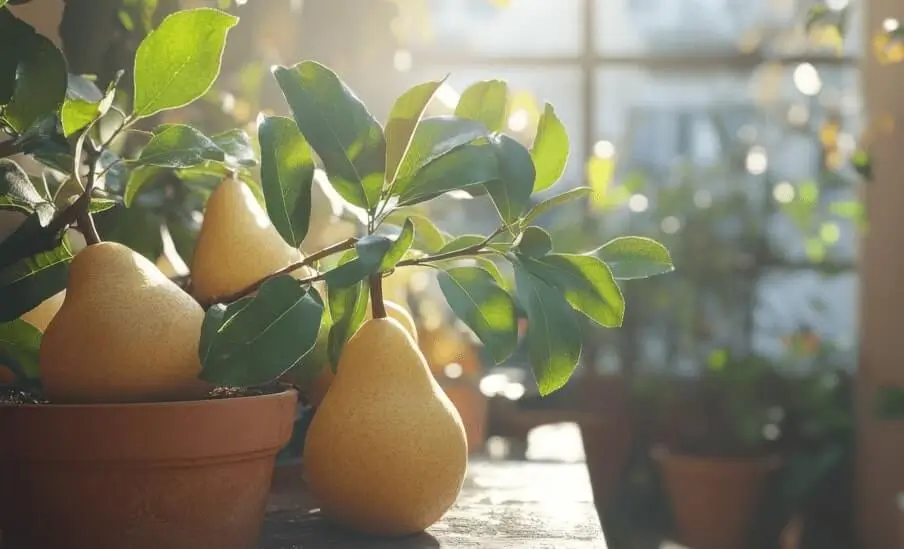
Fruit gardening in small or limited spaces is becoming more popular than ever, especially for people living in apartments, urban homes, or houses with tiny backyards. The good news is that you don’t need a large garden to enjoy fresh, homegrown fruit. With the right techniques, containers, vertical gardening methods, and compact fruit varieties, you can grow delicious fruits almost anywhere. This guide will help beginners discover practical ways to maximize every inch of available space while still enjoying productive and healthy fruit plants.
What Is Fruit Gardening in Limited Space?
Fruit gardening in a limited space focuses on growing fruit plants in areas with restricted ground space. Instead of traditional orchards, it relies on:
- Containers and pots
- Vertical growing techniques
- Dwarf and compact fruit varieties
- Smart use of sunlight and layout
This method is ideal for:
- Apartment balconies
- Small patios or courtyards
- Rooftop gardens
- Urban homes with minimal yard space
With proper planning, a few containers can produce fresh fruit for years.
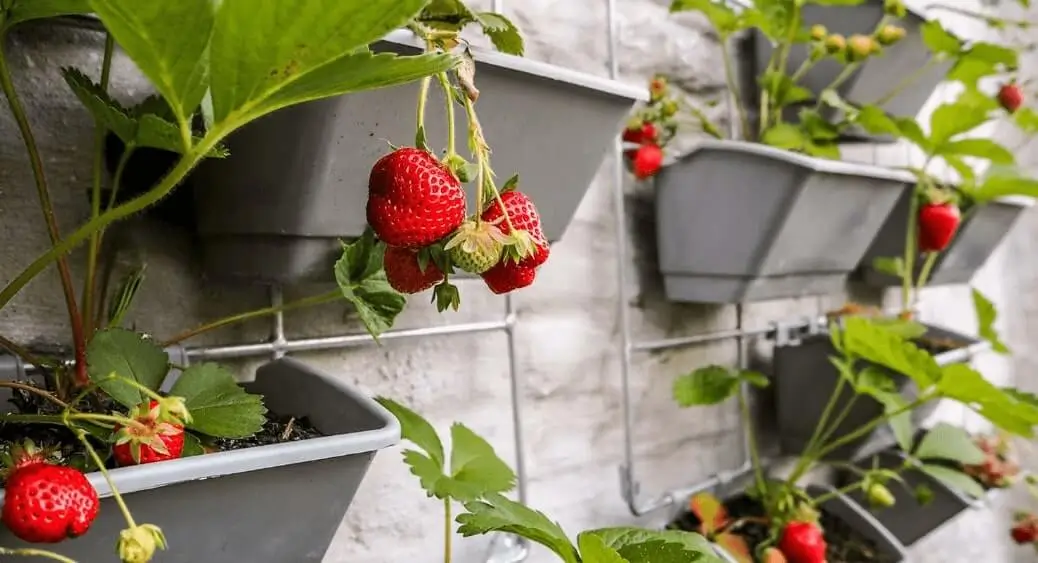
Why Limited-Space Fruit Gardening Works So Well
Many fruit plants adapt better to containers than people expect. In fact, growing fruit in pots offers unique advantages:
- Better control of soil quality
- Easier pest and disease management
- Mobility to adjust sunlight exposure
- Improved drainage compared to poor ground soil
For beginners, container growing often leads to faster success than planting directly in the ground.
Best Fruits for Small-Space Gardening
Not all fruit plants are suitable for compact environments. The key is choosing varieties bred for containers or naturally compact growth.
Top Fruit Trees for Containers
- Dwarf apple trees
- Citrus (lemon, lime, calamondin)
- Fig trees
- Peach and nectarine (dwarf types)
Small Fruits That Thrive in Pots
- Strawberries
- Blueberries
- Raspberries (compact cultivars)
- Blackberries (thornless, patio types)
Climbing and Vertical Fruits
- Grapes
- Passion fruit
- Kiwi (hardy or mini varieties)
These fruits balance productivity with manageable size.
Choosing the Right Containers
Container choice directly affects root health, growth rate, and fruit yield.
Ideal Container Size
- Small berries: 10–15 liters
- Dwarf fruit trees: 30–60 litres
- Long-term trees: 50+ liters
Best Materials
- Fabric grow bags (excellent drainage)
- Plastic pots (lightweight, affordable)
- Terracotta (breathable but dries faster)
Always ensure containers have drainage holes to prevent root rot.
The Importance of Soil in Small Spaces
Soil is even more critical in containers than in ground planting. Regular garden soil becomes compacted, suffocating roots.
Using the best soil for fruit in pots ensures:
- Proper drainage
- Strong root development
- Balanced moisture retention
A quality fruit container mix usually includes:
- Compost or organic matter
- Coconut coir or peat
- Perlite or pumice
Healthy soil equals healthy harvests.
Sunlight: Making the Most of What You Have
Most fruit plants need 6–8 hours of direct sunlight daily. In limited spaces:
- South-facing balconies get the most light.
- Reflective walls can increase brightness.
- Move pots seasonally to chase the sun.
If light is limited, focus on:
- Citrus
- Figs
- Strawberries
These tolerate partial sun better than most fruit trees.
Step-by-Step: How to Start Fruit Gardening in Limited Space
Step 1: Assess Your Space
Measure:
- Available floor space
- Sun exposure throughout the day
- Wind levels (especially on balconies)
Step 2: Select the Right Fruits
Choose compact, container-friendly varieties suited to your climate.
Step 3: Pick Proper Containers and Soil
Use large enough pots and high-quality fruit soil mixes.
Step 4: Plant Correctly
- Avoid burying the graft union.
- Firm soil gently around roots
- Water deeply after planting
Step 5: Place Strategically
Arrange taller plants at the back and shorter ones in front to maximize light.
Watering Fruit Plants in Small Spaces
Containers dry out faster than ground soil. A consistent watering schedule for potted fruit is essential.
General rules:
- Water when the top 3–5 cm of soil feels dry
- Water slowly until the excess drains out
- Reduce watering in cooler months.
Overwatering is just as harmful as underwatering, especially in small containers.
Fertilizing for Healthy Growth and Fruit
Nutrients wash out of pots quickly, so regular feeding is necessary.
Following a proper routine for fertilizing fruit trees in containers helps:
- Encourage flowering
- Support fruit development
- Maintain long-term plant health.
Use:
- Slow-release organic fertilizers
- Liquid feeds during active growth.
- Lower nitrogen once flowering begins
Vertical Gardening: Multiply Your Space
Vertical techniques allow you to grow more fruit without increasing floor space.
Effective options include:
- Trellises for grapes and passion fruit
- Wall-mounted planters for strawberries
- Espalier-trained fruit trees
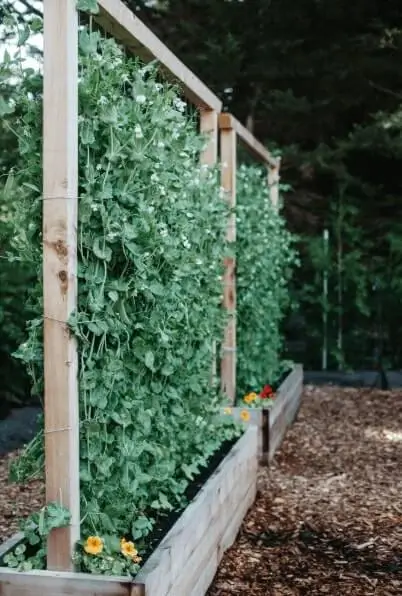
Vertical gardening also improves airflow and sun exposure.
Common Mistakes to Avoid
Many beginners struggle due to avoidable errors:
- Using pots that are too small
- Poor drainage
- Overwatering out of fear
- Choosing full-size fruit trees
- Ignoring pruning needs
Understanding these pitfalls early saves time, money, and plants.
Pruning and Size Control
In limited space, pruning is not optional—it’s essential.
Benefits of regular pruning:
- Controls plant size
- Improves light penetration
- Encourages fruiting wood
Light annual pruning keeps fruit trees compact and productive.
Seasonal Care Tips for Small-Space Fruit Gardens
Spring
- Repot root-bound plants
- Start feeding schedules
Summer
- Monitor watering daily
- Protect from heat stress.
Autumn
- Reduce fertilizer
- Harvest remaining fruit
Winter
- Protect roots from frost.
- Water sparingly
Seasonal adjustments keep container plants thriving year-round.
FAQs: Fruit Gardening in Limited Space
Can I grow fruit on a balcony?
Yes. Many fruits grow well on balconies if they receive enough sunlight and are planted in proper containers.
What is the easiest fruit to grow in small spaces?
Strawberries, figs, and dwarf citrus are among the easiest for beginners.
How many fruit trees can I grow in containers?
This depends on space and sunlight, but even a small balcony can support 2–4 dwarf trees.
Do fruit plants in pots produce less fruit?
Not necessarily. With good care, container-grown fruit plants can be very productive.
How long do potted fruit trees live?
With proper care and occasional repotting, many can thrive for 10–20 years or more.
Conclusion: Small Space, Big Harvests
Fruit gardening in limited space proves that you don’t need land to grow your own food. With smart plant choices, quality soil, and proper care, even the smallest balcony can become a productive fruit garden.
Start small, learn from each season, and expand as your confidence grows. Explore more beginner-friendly guides on GrowFruitly.com to deepen your skills and turn every square meter into a fruitful growing space. 🌱🍎