
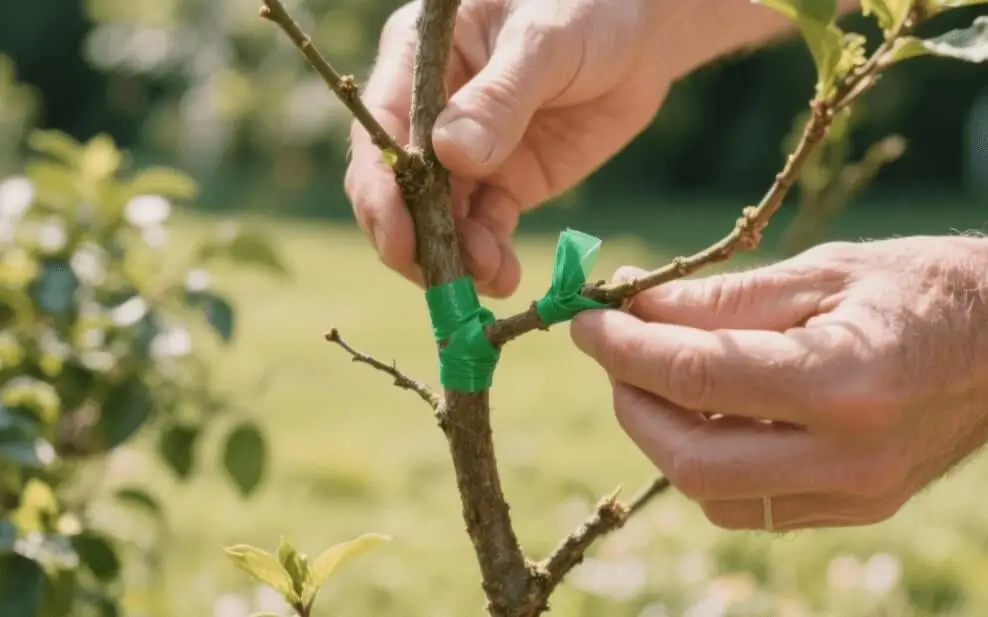
Struggling with fruit trees that bloom beautifully but fail to produce fruit? In container gardening and small-space environments like balconies or patios, natural pollination is often limited due to fewer pollinators and restricted airflow. Hand pollination offers a simple, effective solution to ensure your fruit trees set fruit successfully. By manually transferring pollen between flowers, you can dramatically improve yields even in tight urban spaces. This beginner-friendly guide will walk you through when, why, and how to hand pollinate fruit trees to maximize your harvest..
Why Hand Pollination for Fruit Trees Matters in Container Gardening
Container fruit gardening comes with unique challenges that don’t always exist in ground-grown orchards.
Limited Access to Pollinators
Balconies, rooftops, and indoor growing spaces often lack bees and butterflies. If you’ve noticed plenty of blossoms but no fruit, poor pollination is a likely cause. This is closely related to issues discussed in our guide on why fruit trees flower but fail to set fruit, where pollination problems are one of the top reasons.
Self-Fertile Doesn’t Mean Self-Pollinating
Many fruit trees are labeled “self-fertile,” but they still rely on pollen movement. In nature, insects or wind handle this. In containers, especially indoors, that movement may never happen—making hand pollination essential.
Better Yields in Small Spaces
When space is limited, every flower counts. Hand pollination allows you to:
- Increase fruit set
- Improve fruit size and uniformity
- Reduce flower drop caused by incomplete pollination
Which Fruit Trees Benefit Most from Hand Pollination?
Not all fruit trees need hand pollination, but many container-grown varieties benefit greatly.
Common Container Fruit Trees That Respond Well
- Citrus (lemon, lime, orange)
- Apple and pear (especially when only one tree is present)
- Peach, nectarine, and apricot
- Fig (indoor or greenhouse-grown)
- Passion fruit grown in pots
If you’re growing on a balcony and struggling with low insect activity, you may also want to explore how to attract pollinators to balcony fruit plants alongside hand pollination for best results.
When to Hand Pollinate Fruit Trees
Timing is critical for successful hand pollination.
Best Time of Day
- Mid-morning (9–11 a.m.) is ideal
- Flowers are fully open
- Pollen is dry and viable
Flower Readiness Checklist
- Petals fully open
- Visible pollen on the anthers
- Stigma (center of the flower) looks slightly sticky
Avoid pollinating right after watering or during high humidity, as wet pollen does not transfer well.
Step-by-Step: How to Hand Pollinate Fruit Trees
Hand pollination is simple, safe, and surprisingly quick once you know the process.
Step 1: Identify Male and Female Parts
Most fruit tree flowers contain both:
- Anthers (male) – produce pollen
- Stigma (female) – receives pollen
Some trees require pollen from a different variety, while others can use pollen from the same flower.
Step 2: Choose a Tool
You can use:
- A small, soft paintbrush
- A cotton swab
- Your fingertip (for larger flowers)
Step 3: Collect Pollen
Gently brush the anthers to pick up yellow pollen. You don’t need much—a light dusting is enough.
Step 4: Transfer Pollen
Lightly dab the pollen onto the stigma of the same or another flower. Be gentle to avoid damaging delicate flower parts.
Step 5: Repeat
Pollinate multiple flowers over several days. Flowers don’t all open at once, and repeated attempts increase success.
Hand Pollination Tips for Specific Fruit Trees
Citrus Trees
- Usually self-fertile
- Focus on transferring pollen within the same tree
- Works especially well for indoor lemon trees
Apple and Pear Trees
- Often require cross-pollination
- If you have only one tree, transfer pollen between different flowers daily
- Yield improves noticeably in containers
Stone Fruits (Peach, Plum, Apricot)
- Short flowering window
- Pollinate daily during bloom
- Avoid rough handling to prevent flower drop
Common Hand Pollination Mistakes Beginners Make
Pollinating Too Early or Too Late
Closed flowers or aging blooms won’t set fruit well. Timing matters more than technique.
Using Dirty or Wet Tools
Moisture clumps pollen and reduces effectiveness. Always use dry, clean tools.
Overhandling Flowers
Excessive brushing can damage stigmas and cause flowers to drop. Gentle contact is enough.
Ignoring Tree Health
Hand pollination won’t fix underlying problems like nutrient deficiencies or pest stress. If your tree looks weak, review basic container fruit tree care practices before focusing on pollination.
Tools, Containers, and Care Tips That Improve Pollination Success
Best Containers for Flowering & Fruit Set
- Adequate drainage holes
- Size appropriate for mature root system
- Light-colored pots to prevent overheating
Soil Matters
Use a well-draining, nutrient-rich mix. Poor soil can cause flower drop even after successful pollination. If airflow around your plants is limited, it can also impact flower health—something we explain in how poor airflow affects fruit tree flowering.
Gentle Air Movement
A light breeze (natural or from a small fan indoors) helps mimic natural pollination and strengthens flowers.
FAQ: Hand Pollination for Fruit Trees
Do all fruit trees need hand pollination?
No. Outdoor trees with active pollinators usually don’t. Container-grown or indoor trees benefit the most.
How often should I hand pollinate?
Once daily during peak bloom is ideal, especially for short flowering periods.
Can hand pollination increase fruit size?
Yes. Better pollination often leads to more evenly developed, larger fruit.
Is hand pollination safe for beginner gardeners?
Absolutely. It’s simple, low-risk, and doesn’t require special skills.
Why are my flowers still dropping after hand pollination?
Possible reasons include nutrient deficiencies, water stress, or temperature extremes—not pollination failure alone.
Conclusion: Turning Flowers Into Fruit with Confidence
Hand pollination for fruit trees is one of the most effective techniques for container and small-space gardeners. When natural pollinators are scarce, a few minutes of gentle effort can make the difference between empty branches and a rewarding harvest.
Start by observing your flowers, pollinate during peak bloom, and support the process with healthy soil, proper watering, and good airflow. Combine hand pollination with smart container care, and you’ll dramatically improve fruit set—even on a balcony or indoors.
Your next step? Choose one flowering tree this season and try hand pollination consistently for a week. The results may surprise you—and your future harvest will thank you. 🍎🌸