
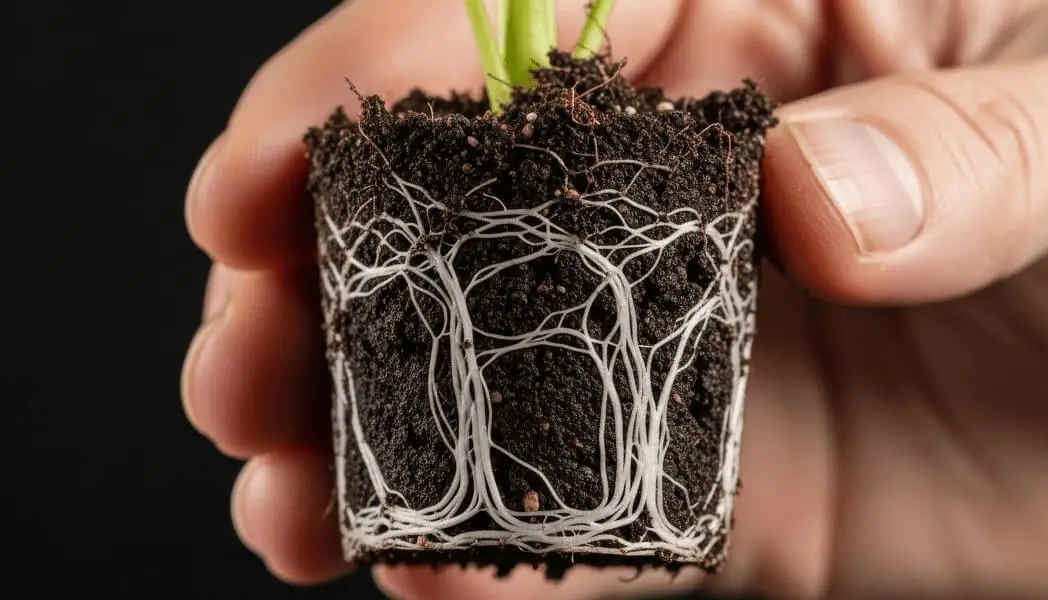
Old potting soil can silently harm your container plants by losing nutrients, compacting, or harboring pests and diseases. If your fruit trees or potted plants are struggling despite regular care, depleted or unhealthy soil may be the hidden cause. Understanding how to refresh, safely reuse, or replace old potting soil is essential for maintaining strong root systems and consistent plant growth in containers.
Why Old Potting Soil Problems Matter in Container Fruit Gardening
Container fruit gardening is fundamentally different from growing in the ground. In pots, your fruit tree depends 100% on the soil you provide. When that soil ages, problems show up faster and more severely.
1. Nutrients Get Used Up Faster
Fruit trees are heavy feeders. Over time, old potting soil loses nitrogen, potassium, phosphorus, and trace minerals. This often leads to slow growth, pale leaves, and weak fruiting. If you’ve noticed signs similar to nutrient deficiencies in potted fruit trees, depleted soil is often the root cause.
2. Soil Structure Breaks Down
Most potting mixes rely on bark, peat, or coco coir for aeration. After one or two seasons, these materials decompose and collapse, leading to compaction. Compacted soil restricts oxygen to roots and increases the risk of root rot.
3. Drainage Becomes Poor
Old soil tends to hold water unevenly—either staying soggy or drying out too fast. This stresses roots and can trigger issues like fertilizer burn in containers when salts accumulate instead of flushing out.
4. Beneficial Microbial Life Declines
Fresh potting soil supports beneficial microbes that help roots absorb nutrients. In old, exhausted soil, microbial activity drops, reducing nutrient availability even if fertilizers are applied.
How to Tell If Old Potting Soil Is Causing Problems
Before fixing anything, confirm that your soil is actually the issue. Here are clear warning signs:
- Water pools on the surface instead of soaking in
- Soil pulls away from the pot edges when dry
- Roots circle tightly or appear brown and weak
- Leaves yellow despite regular feeding
- Fruit trees stop growing mid-season
If you’re also seeing poor vigor, check whether poor soil quality is weakening your fruit trees, especially in long-term containers.
Step-by-Step Solutions for Old Potting Soil Problems
Not all old soil needs to be discarded. The right solution depends on how degraded the mix is and what you’re growing.
Step 1: Decide Whether to Reuse or Replace
Use this simple rule:
- Reuse and refresh if soil drains but feels compacted and low in nutrients
- Replace entirely if soil smells sour, stays soggy, or shows signs of root disease
For fruit trees that have been in the same soil for over 2–3 years, full replacement is often the safest option.
Step 2: How to Refresh Old Potting Soil (Safely)
If the soil is structurally intact, you can rejuvenate it:
- Remove old roots
Break up the soil and remove dead roots and debris. - Add organic matter
Mix in 25–30% high-quality compost or worm castings to restore nutrients. - Improve aeration
Add perlite, pumice, or coarse sand (10–20%) to reduce compaction. - Balance nutrients gently
Avoid strong fertilizers at first. Overfeeding can worsen salt buildup, a common issue related to overfertilizing fruit trees in pots. - Re-inoculate microbes
Compost tea or mycorrhizal inoculants help restore biological activity.
Step 3: When and How to Replace Old Potting Soil
Complete replacement is best when:
- The soil has turned muddy or crusty
- Drainage holes clog repeatedly
- Trees show chronic stress despite care
How to replace safely:
- Gently lift the tree and loosen outer roots
- Shake off as much old soil as possible
- Replant using a fresh, well-draining potting mix designed for fruit trees
- Water thoroughly to settle the new soil
This is also the best time to address soil compaction in container plants, which often develops alongside old soil problems.
Best Soil Mix for Container Fruit Trees
A good soil mix prevents old potting soil problems from returning too quickly.
Ideal Potting Mix Components
- 40% high-quality potting mix
- 30% compost or aged manure
- 20% perlite, pumice, or bark chips
- 10% garden soil or coco coir for moisture balance
This blend provides nutrients, airflow, and stable moisture—three things old potting soil often lacks.
Common Mistakes Beginners Make With Old Potting Soil
Avoid these frequent errors that make soil problems worse:
- Reusing soil without amending it
Old soil alone cannot support fruit trees long-term. - Adding fertilizer instead of fixing structure
Nutrients won’t help if roots can’t breathe. - Ignoring drainage holes
Even fresh soil fails in containers without proper drainage. - Reusing soil from diseased plants
This spreads pathogens to healthy trees. - Keeping trees in the same soil for too many years
Container soil needs renewal far more often than garden beds.
Tools and Care Tips to Prevent Old Potting Soil Problems
Simple habits make a big difference:
- Repot container fruit trees every 2–3 years
- Flush pots with water every few months to remove salt buildup
- Use slow-release organic fertilizers
- Elevate pots slightly to improve drainage
- Mulch the soil surface to reduce compaction
These practices reduce stress and keep soil productive for longer.
FAQ: Old Potting Soil Problems
Can I reuse old potting soil for fruit trees?
Yes, but only if it’s refreshed with compost and aeration materials. Severely compacted or soggy soil should be replaced.
How long does potting soil last in containers?
Typically 1–3 years, depending on plant size, watering habits, and soil quality.
Does old potting soil cause yellow leaves?
Yes. Nutrient depletion and poor root oxygenation are common causes of yellowing foliage.
Is it safe to mix new soil with old soil?
Yes, as long as the old soil is healthy and amended properly to restore structure and nutrients.
Should I sterilize old potting soil?
Only if disease was present. For healthy soil, rejuvenation is usually sufficient.
Conclusion: Fix Old Potting Soil Problems Before They Limit Your Harvest
Old potting soil problems can silently sabotage container fruit trees, even when watering and fertilizing seem correct. Compaction, nutrient depletion, and poor drainage all build up over time—but they’re fixable. By learning when to refresh soil, when to replace it, and how to maintain healthy structure, you give your fruit trees the foundation they need to thrive.
Next steps:
Check your containers today. Test drainage, inspect root health, and decide whether your soil needs refreshing or replacing this season. Healthy soil isn’t just dirt—it’s the engine behind strong growth and better fruit.