
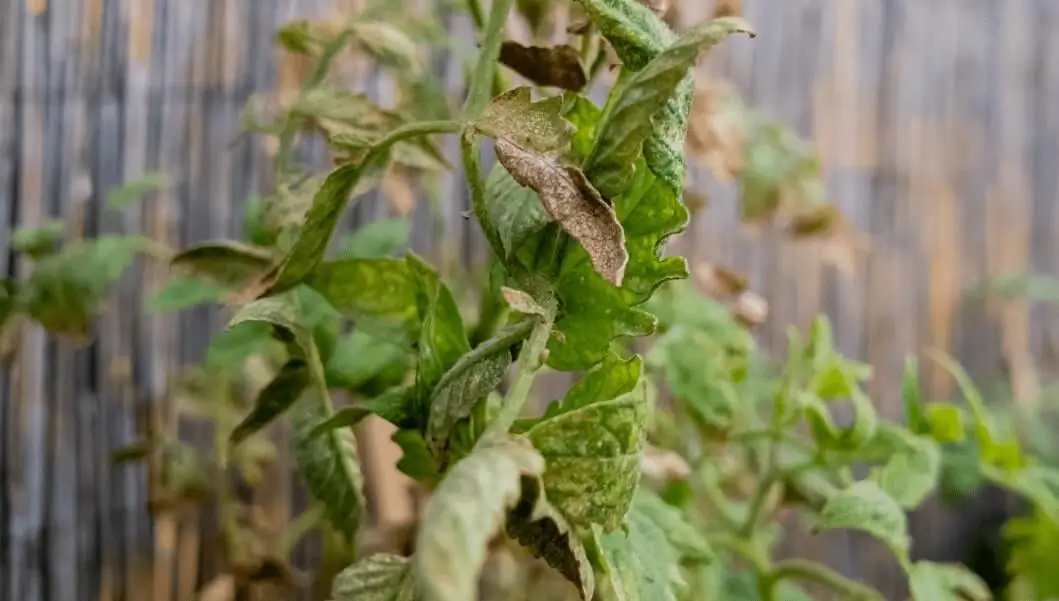
Poor airflow is one of the most overlooked problems in container fruit gardening, yet it plays a critical role in plant health. When air circulation is limited, moisture builds up around leaves and soil, creating the perfect environment for fungal diseases, pests, and plant stress. For home gardeners growing fruit trees in small spaces like balconies or patios, understanding how airflow affects plant health is essential. In this guide, you’ll learn about the most common diseases caused by poor airflow and practical strategies to prevent them effectively.
Why Poor Airflow Causes Diseases in Container Fruit Plants
In nature, wind constantly dries leaves, cools plant surfaces, and limits how long moisture stays in contact with foliage. Container-grown fruit plants don’t always get that benefit—especially when placed close together or against walls.
When airflow is restricted:
- Humidity builds up around leaves
- Water evaporates slowly after watering or rain
- Fungal spores germinate more easily
- Bacteria spread faster through damp plant tissue
This is why diseases caused by poor airflow are far more common in containers than in open-ground orchards.
If you’re growing fruit trees on a balcony or terrace, this risk increases even more, as explained in our guide on preventing pest and disease problems in container gardens, where airflow is one of the most critical control factors.
Common Diseases Caused by Poor Airflow
1. Powdery Mildew
Powdery mildew looks like a white or gray powder on leaves, stems, or even fruit.
Why airflow matters:
Still, humid air allows fungal spores to settle and multiply.
Common in:
- Citrus
- Strawberries
- Figs
- Apple and pear trees in containers
Early signs:
- White dust-like coating
- Curling leaves
- Reduced flowering and fruit set
2. Gray Mold (Botrytis)
Gray mold thrives in cool, damp conditions with poor air movement.
Why airflow matters:
Without air circulation, moisture stays trapped between leaves and fruit clusters.
Common in:
- Strawberries
- Blueberries
- Raspberries grown in pots
Early signs:
- Soft brown spots
- Gray fuzzy mold
- Fruit rotting before ripening
3. Leaf Spot Diseases
Leaf spot appears as brown, black, or yellow-spotted lesions on foliage.
Why airflow matters:
Wet leaves that don’t dry quickly become easy infection targets.
Common in:
- Citrus
- Stone fruits
- Potted berry bushes
You can learn how to distinguish disease spots from pest damage in our detailed article on identifying pests and diseases on fruit plants.
4. Root and Crown Rot
Although it starts below the soil surface, poor airflow still plays a role.
Why airflow matters:
Containers placed too close together stay cooler and wetter, slowing evaporation from soil.
Common causes:
- Overcrowded pots
- Poor drainage
- Constant shade with no breeze
Why Airflow Is Especially Important for Container Fruit Gardening
Container fruit gardening creates unique airflow challenges:
- Plants are often grouped tightly
- Pots sit against walls or railings
- Balconies block wind from certain directions
- Indoor and greenhouse setups trap humidity
Unlike in-ground trees, container plants depend entirely on you to manage their environment.
If you grow fruit indoors or in enclosed spaces, review our indoor pest and disease prevention guide for edible plants, where airflow management is one of the first recommendations.
Step-by-Step Solutions to Prevent Airflow-Related Diseases
Step 1: Space Containers Correctly
Crowding is the #1 airflow mistake beginners make.
Best practices:
- Leave 20–40 cm (8–16 inches) between pots
- Avoid overlapping foliage
- Rotate pots weekly if space is tight
Air should move around and through the plant—not just above it.
Step 2: Prune for Air, Not Just Shape
Many gardeners prune for size but forget airflow.
Focus on:
- Removing inward-growing branches
- Thinning dense centers
- Cutting off diseased or crossing stems
This is especially important for citrus and figs. Our article on safe pruning practices for container fruit trees explains how to prune without stressing the plant.
Step 3: Position Plants Strategically
Where you place your containers matters as much as how you care for them.
Good placement tips:
- Keep pots away from solid walls
- Elevate containers slightly off the ground
- Avoid corners with stagnant air
Balconies benefit from placing plants near railings rather than against walls.
Step 4: Water Smartly
Overwatering + poor airflow = disease.
Do this instead:
- Water early in the day
- Avoid wetting leaves when possible
- Let the topsoil dry slightly between waterings
If you’re unsure whether watering is the real issue, check our guide on how overwatering affects container fruit plants.
Step 5: Improve Micro-Airflow When Needed
In enclosed spaces, natural airflow may not be enough.
Helpful tools:
- Small oscillating fans (indoors or greenhouses)
- Pot risers or feet
- Breathable plant stands
Even gentle air movement can dramatically reduce disease pressure.
Common Beginner Mistakes That Reduce Airflow
Many airflow problems come from good intentions gone wrong.
Mistake 1: Grouping Plants Too Closely
More plants don’t mean more harvest if disease wipes them out.
Mistake 2: Skipping Pruning Out of Fear
Light, regular pruning is safer than heavy corrective pruning later.
Mistake 3: Ignoring Early Disease Signs
Small spots today become widespread infections tomorrow.
Mistake 4: Relying Only on Sprays
Fungicides help, but airflow fixes the root cause.
This is why we recommend combining cultural practices with treatments, as explained in our neem oil and natural disease control guide.
Containers, Soil, and Care Tips That Improve Airflow
Best Containers for Airflow
- Fabric grow bags
- Unglazed terracotta pots
- Containers with multiple drainage holes
Soil Mix Tips
- Use well-draining potting mixes
- Add perlite or coarse sand
- Avoid compacted garden soil
Ongoing Care Habits
- Remove fallen leaves from soil surface
- Clean tools between plants
- Quarantine new plants before grouping them
FAQ: Diseases Caused by Poor Airflow
What is the most common disease caused by poor airflow?
Powdery mildew is the most common, especially on citrus and berries grown in containers.
Can airflow problems happen outdoors?
Yes. Balconies, patios, and enclosed courtyards often have stagnant air pockets.
Does pruning really help prevent disease?
Absolutely. Proper pruning improves airflow, light penetration, and leaf drying time.
Are fans safe for indoor fruit plants?
Yes, as long as airflow is gentle and not directly blasting the plant constantly.
Can poor airflow cause pests too?
Indirectly, yes. Weak, stressed plants attract pests more easily.
Conclusion: Healthy Airflow, Healthier Fruit Plants
Diseases caused by poor airflow are frustrating—but they’re also some of the easiest to prevent. By spacing containers properly, pruning with purpose, watering wisely, and improving air circulation, you remove the conditions that diseases depend on.
For beginners, the key takeaway is this: airflow is just as important as sunlight and water in container fruit gardening. Start by observing how air moves around your plants today, make small adjustments, and you’ll see healthier leaves, stronger growth, and better harvests.
If you want to go further, explore our in-depth guides on container care, pruning, and disease prevention across GrowFruitly.com—and turn your small space into a thriving fruit garden. 🍓🌿