
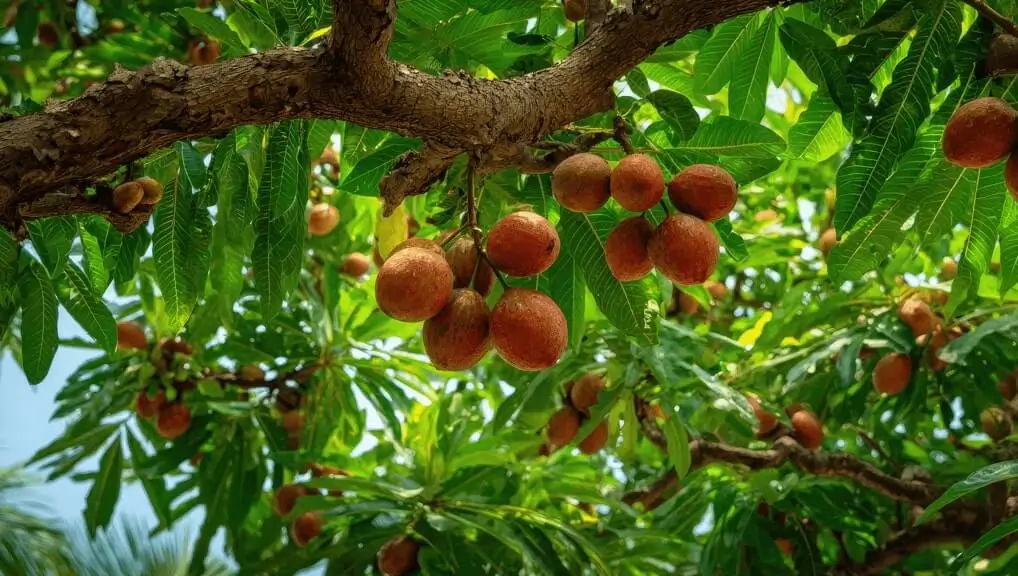
Are your fruit trees growing well but producing only a small number of fruits? This is a common issue for container gardeners and small-space growers. While your tree may look healthy, several hidden factors—such as poor pollination, improper watering, nutrient imbalances, or environmental stress—can limit fruit production. The good news is that most of these problems are easy to identify and fix once you understand the root causes. In this guide, you’ll discover why your fruit trees are producing fewer fruits than expected and learn proven, practical solutions to boost yield and enjoy a more productive container garden.
Why Fruit Trees Producing Few Fruits Is Common in Container Gardening
Container fruit gardening offers flexibility, but it also introduces unique challenges that directly affect fruit production.
Limited Root Space Reduces Energy for Fruiting
Fruit production requires a lot of energy. When roots are confined to small containers, trees may prioritize survival and leaf growth over flowers and fruits. If your tree looks leafy but produces few blooms, root restriction may be the culprit.
Pollination Is Less Reliable in Small Spaces
Balconies, rooftops, and indoor-outdoor setups often lack natural pollinators. Even self-fertile trees may struggle without enough airflow or insect activity. If you’re gardening in an urban setting, this issue is especially common—learn more in our guide on why lack of pollinators affects balcony fruit trees.
Environmental Stress Is Amplified in Pots
Containers heat up faster, dry out more quickly, and cool down sooner than in-ground soil. These fluctuations can stress trees during critical stages like flowering and fruit set, causing flowers or tiny fruits to drop prematurely.
Fruit Trees Producing Few Fruits: The Most Common Causes
Understanding the cause is the first step toward a real solution. Below are the most frequent reasons fruit trees fail to produce well in containers.
1. Poor or Incomplete Pollination
Many fruit trees need pollen transfer to set fruit. Even self-pollinating varieties benefit from movement.
Signs of pollination problems:
- Lots of flowers, but no fruit
- Flowers drop shortly after blooming
- Small fruits form, then fall off
Solutions:
- Hand-pollinate using a soft brush or cotton swab
- Grow two compatible varieties if cross-pollination is required
- Encourage insects with flowering companion plants
For a full walkthrough, see our hand pollination guide for container fruit trees.
2. Insufficient Sunlight
Fruit trees need 6–8 hours of direct sunlight daily to produce enough sugars for fruiting.
Common mistakes:
- Placing containers near walls with partial shade
- Assuming bright light equals direct sun
- Moving trees too often during the season
Fix it:
- Track sunlight exposure throughout the day
- Relocate containers to the sunniest spot available
- Use rolling plant caddies for easy repositioning
3. Excess Nitrogen, Not Enough Balance
Too much nitrogen causes lush leaves—but very few flowers or fruits.
Symptoms of nitrogen overload:
- Dark green, fast-growing leaves
- Long shoots with no flower buds
- Weak or delayed flowering
Best practice:
- Switch to a balanced or fruit-focused fertilizer (e.g., 5-10-10)
- Avoid frequent feeding during flowering
- Focus on potassium and phosphorus before bloom
4. Incorrect or Excessive Pruning
Pruning mistakes are a major reason fruit trees produce few fruits, especially for beginners.
What goes wrong:
- Pruning at the wrong time removes fruiting wood
- Over-pruning stimulates leaf growth instead of flowers
- Cutting last year’s growth on fruiting varieties
Quick tips:
- Learn whether your tree fruits on old or new wood
- Prune lightly in containers
- Avoid heavy pruning just before flowering
5. Stress From Poor Airflow and Disease
Poor airflow increases fungal diseases that weaken flowers and young fruits. This is especially common in balconies and crowded patios.
If your tree shows leaf spots, powdery residue, or flower drop after rain, airflow may be the issue. Our article on diseases caused by poor airflow in fruit plants explains how spacing and pruning improve fruit set.
Step-by-Step Solutions to Increase Fruit Production in Containers
Here’s a practical action plan you can follow this season.
Step 1: Upgrade the Container (If Needed)
- Minimum size: 15–25 gallons for most fruit trees
- Ensure multiple drainage holes
- Use breathable materials (fabric pots or terracotta when possible)
Step 2: Refresh the Soil
Old or compacted soil limits nutrients and oxygen.
Ideal soil mix:
- 40% high-quality potting mix
- 30% compost
- 20% coco coir or peat
- 10% perlite or pumice
Step 3: Feed at the Right Time
- Early spring: balanced fertilizer
- Pre-bloom: low nitrogen, higher phosphorus & potassium
- After fruit set: light feeding only
Avoid feeding during extreme heat or stress periods.
Common Beginner Mistakes That Reduce Fruit Yield
Even with good intentions, beginners often sabotage fruiting without realizing it.
Overwatering or Underwatering
Both cause flower and fruit drop. Containers should never sit in standing water.
Rule of thumb:
Water deeply only when the top 2–3 inches of soil are dry.
Growing the Wrong Variety for Containers
Some fruit trees are genetically poor producers in pots.
Better choices for containers:
- Dwarf citrus
- Figs
- Dwarf peaches
- Columnar apples
Avoid full-size varieties unless grafted and properly managed.
Ignoring Pests Until It’s Too Late
Sap-sucking pests reduce flower strength and fruit set.
If you notice sticky leaves or curled growth, inspect closely. Our guide on identifying pests on fruit trees shows how to catch problems early and use safe treatments.
Tools, Care Tips, and Small Tweaks That Make a Big Difference
Helpful Tools for Better Fruiting
- Soft paintbrush (hand pollination)
- Moisture meter
- Pruning shears (sharp and clean)
- Rolling plant stand
Simple Care Tweaks
- Rotate containers weekly for even sun exposure
- Thin excess fruits to improve size and quality
- Shelter trees from strong wind during flowering
FAQ: Fruit Trees Producing Few Fruits
Why does my fruit tree flower but not produce fruit?
This usually indicates a pollination problem, excess nitrogen, or environmental stress during bloom.
How long does it take for a fruit tree in a pot to produce fruit?
Most grafted dwarf trees produce within 1–3 years if conditions are right.
Can fruit trees produce well in containers long-term?
Yes, with proper pruning, repotting every 2–3 years, and balanced feeding.
Should I remove flowers from young fruit trees?
Yes, in the first year or two, removing flowers helps the tree establish strong roots and improves future harvests.
Do self-pollinating trees still need pollinators?
Often yes. Self-fertile doesn’t mean pollination-free—movement still helps fruit set.
Conclusion: Turning Low Yields Into Reliable Harvests
If your fruit trees are producing few fruits, it’s not a failure—it’s feedback. Containers magnify small issues, but they also make fixes easier and faster. By improving pollination, sunlight, nutrition, pruning habits, and container care, most home gardeners see dramatic improvements within a single season.
Start with the basics: observe your tree, adjust one factor at a time, and support it during flowering and fruit set. With the right approach, even a small balcony or patio can deliver baskets of fresh, homegrown fruit. 🍎🍊
Your tree already wants to produce—now you know how to help it succeed.