
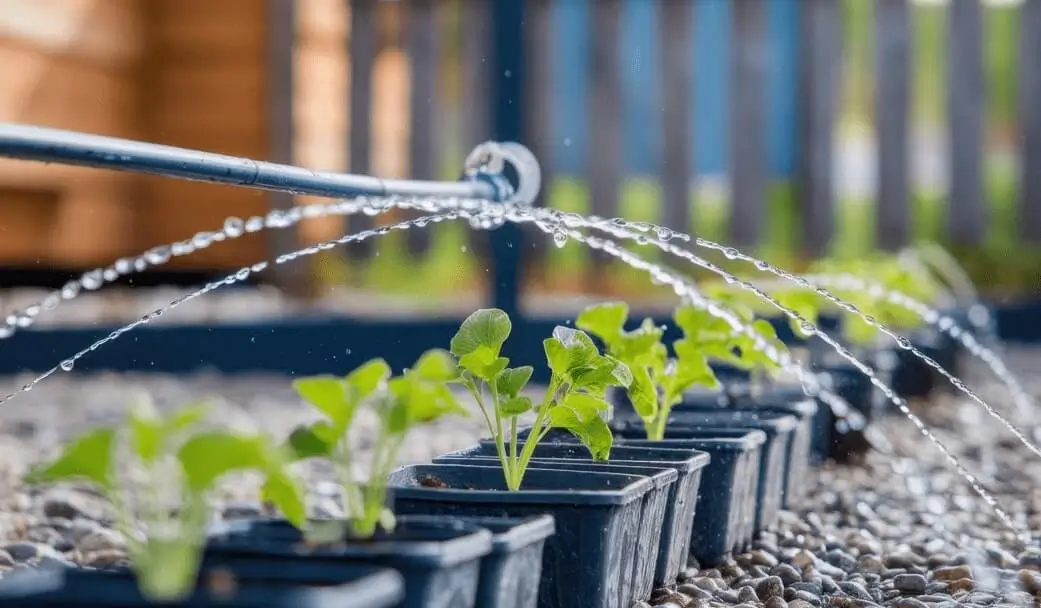
Keeping fruit trees properly watered can be difficult, especially for beginners growing in containers, balconies, patios, or small gardens. Missing even a few watering sessions during hot weather may stress plants, reduce fruit production, and damage roots. That’s why many home gardeners are turning to self-watering systems as a simple and efficient solution.
This complete beginner-friendly guide explains how self-watering systems work, the best options for container fruit trees, their advantages and disadvantages, installation tips, maintenance advice, and common mistakes to avoid. Whether you grow citrus, figs, berries, or dwarf fruit trees, these systems can help keep your plants healthier while saving time and water.
Why Self-Watering Systems Matter for Container Fruit Gardening
Container-grown fruit trees depend entirely on you for water. Unlike in-ground trees, they can’t send roots deeper to search for moisture. This creates three common problems:
- Rapid soil drying, especially in summer
- Inconsistent watering, leading to stress cycles
- Root damage from overwatering, when excess water can’t drain properly
Self-watering systems solve these issues by delivering water slowly and consistently to the root zone. This is especially important if you grow in fabric pots, raised planters, or lightweight container mixes that drain quickly.
If you’ve struggled with seasonal watering changes, you may have noticed that summer watering routines differ greatly from cooler months. A helpful reference is this guide on watering fruit trees in summer heat, which explains why steady moisture is so critical during peak growth.
Key benefits for beginners
- More stable soil moisture levels
- Less daily maintenance
- Healthier root systems
- Improved flowering and fruit set
- Reduced risk of underwatering during travel or busy weeks
How Self-Watering Systems for Fruit Trees Work
At their core, self-watering systems rely on controlled water delivery rather than flooding the soil. Most systems work in one of three ways:
- Bottom-up watering (reservoir-based)
- Slow-release drip irrigation
- Capillary wicking systems
Each method has advantages depending on your space, budget, and tree size.
Bottom reservoir systems
These use a built-in water reservoir at the base of the container. Water moves upward through capillary action as the soil dries.
Best for:
- Small to medium container fruit trees
- Balconies and patios
- Beginners who want simplicity
Drip irrigation systems
A network of tubes delivers water directly to the soil surface at a slow, controlled rate.
Best for:
- Multiple containers
- Larger collections of fruit trees
- Gardeners who want automation
Wicking systems
A fabric or rope wick draws water from a reservoir into the soil.
Best for:
- DIY setups
- Vacation watering
- Lightweight containers
Understanding how moisture moves through soil is essential. If you’re unsure when to water, this article on checking soil moisture for fruit trees explains simple, beginner-friendly methods.
Best Self-Watering Systems for Container Fruit Trees (Compared)
1. Self-watering containers with built-in reservoirs
These are ready-made pots designed specifically for self-watering.
Pros
- Easy to use
- Clean appearance
- Minimal setup
Cons
- Limited reservoir size
- Not ideal for large fruit trees
Best fruit trees: dwarf citrus, figs, blueberries, dwarf apples
2. DIY reservoir containers
You can convert standard pots into self-watering systems using buckets, plastic bins, or internal reservoirs.
Pros
- Low cost
- Customizable size
- Great learning project
Cons
- Requires setup time
- Drainage must be done carefully
3. Drip irrigation with timers
This is the most scalable option for serious container gardeners.
Pros
- Highly consistent watering
- Adjustable flow rates
- Ideal for many trees
Cons
- Higher upfront cost
- Requires basic setup knowledge
If you’ve ever lost a tree due to soggy soil, it’s worth reviewing the warning signs in this guide to overwatering fruit trees in containers before installing any system.
Step-by-Step: Setting Up a Self-Watering System for Fruit Trees
Step 1: Choose the right container
- Use pots at least 40–60 cm (16–24 in) wide for most fruit trees
- Ensure proper drainage holes above the reservoir line
- Avoid shallow containers
Step 2: Select a well-draining soil mix
A good container mix should include:
- High-quality compost
- Coco coir or peat for moisture retention
- Perlite or pumice for aeration
Avoid heavy garden soil—it compacts easily and blocks water movement.
Step 3: Install the watering mechanism
- Reservoir pots: fill the bottom chamber and check overflow holes
- Drip systems: place emitters evenly around the root zone
- Wicks: ensure full contact between wick and soil
Step 4: Test and adjust
- Water thoroughly the first time
- Monitor soil moisture for the first week
- Adjust flow rates as needed
Common Beginner Mistakes with Self-Watering Systems
Even the best system can fail if used incorrectly. Watch out for these mistakes:
1. Assuming “set and forget”
Self-watering systems still need monitoring, especially during seasonal changes.
2. Ignoring drainage
Without overflow holes, roots can suffocate and rot.
3. Using the wrong soil
Dense soil defeats the purpose of controlled watering.
4. Not adjusting for winter
Fruit trees need far less water in cold months. For guidance, see how to water fruit trees in winter to avoid cold-season root problems.
Tools, Containers & Care Tips for Best Results
Recommended tools
- Moisture meter (for beginners)
- Drip irrigation timer
- Mulch (bark chips or straw)
Container tips
- Light-colored pots reduce heat stress
- Fabric pots dry faster—monitor closely
- Elevate containers slightly for airflow
Care tips
- Flush the soil every 4–6 weeks to prevent salt buildup
- Mulch the surface to reduce evaporation
- Inspect roots annually when repotting
FAQ: Self-Watering Systems for Fruit Trees
Are self-watering systems good for fruit trees?
Yes. They provide consistent moisture, which is critical for healthy roots, flowering, and fruit development—especially in containers.
Can self-watering systems cause root rot?
Only if drainage is poor or soil stays constantly saturated. Proper setup prevents this issue.
How often should I refill a self-watering reservoir?
Typically every 3–7 days in summer and much less often in cooler seasons, depending on tree size and climate.
Do self-watering pots work in hot climates?
Yes, but reservoirs may need more frequent refilling, and mulching is strongly recommended.
Can I use self-watering systems for large fruit trees?
They work best for dwarf and semi-dwarf trees. Large trees often need drip irrigation systems.
Conclusion: Smarter Watering, Healthier Fruit Trees
Self-watering systems for fruit trees are one of the most effective upgrades you can make for container gardening. They reduce daily maintenance, protect roots from stress, and help beginners achieve consistent results without guesswork.
Start by choosing the right system for your space, use a well-draining soil mix, and monitor moisture during seasonal changes. With a properly set-up self-watering system, your fruit trees will reward you with healthier growth, better flowering, and more reliable harvests—even in small spaces.
Next step: assess your current containers and decide whether a reservoir pot, DIY system, or drip irrigation setup fits your garden best—then make the switch before your next growth season begins.