
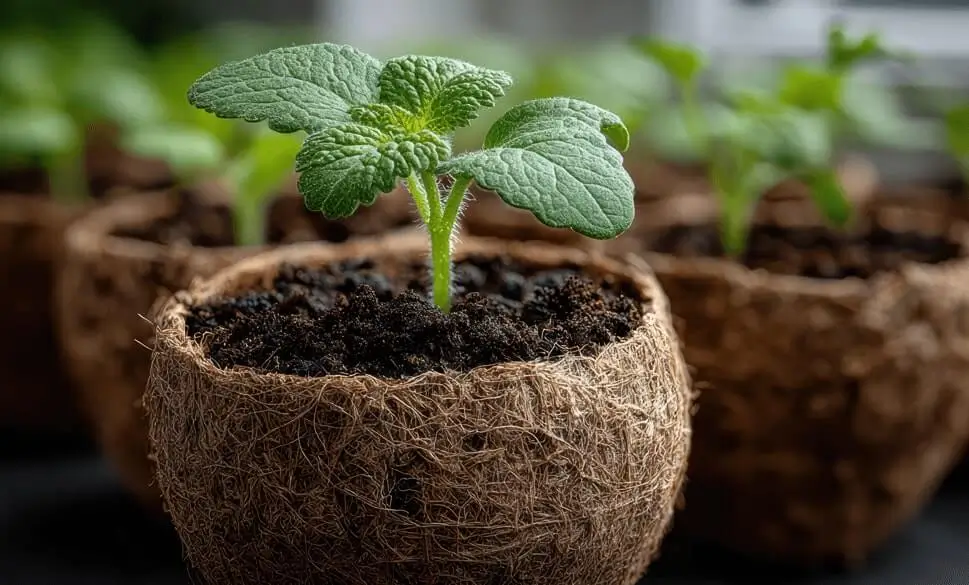
Growing organic fruit in pots is one of the best ways to enjoy fresh, healthy harvests while avoiding synthetic chemicals and pesticides. Whether you have a balcony, patio, rooftop, or small backyard, container gardening allows beginners to grow delicious fruit naturally with minimal space. By choosing organic soil, natural fertilizers, and eco-friendly pest control methods, you can create a thriving mini orchard that produces flavorful fruit year after year.
Why Growing Organic Fruit in Pots Matters
Container gardening gives you total control over soil quality, nutrients, and treatments—making it ideal for organic growing.
Key Benefits of Organic Container Fruit Gardening
- Chemical-free food for you and your family
- Better soil control than in-ground gardening
- Fewer pest issues when plants are healthy
- Perfect for small spaces like balconies and patios
- Environmentally friendly and pollinator-safe
Unlike conventional fruit growing, organic methods focus on soil health first. In pots, this becomes even more important because plants rely entirely on what you provide.
Choosing the Right Fruit for Organic Pot Growing
Not all fruit plants thrive in containers—especially under organic care.
Best Fruits for Growing Organically in Pots
Fruit trees (dwarf or semi-dwarf):
- Apple
- Fig
- Lemon & citrus
- Peach
- Plum
Small fruits:
- Strawberries
- Blueberries
- Raspberries
- Dwarf bananas
Pro tip: Choose self-pollinating varieties whenever possible to improve yields in small spaces.
If you’re unsure which containers work best for long-term growth, this guide on the best containers for balcony fruit trees explains size, material, and drainage in detail.
Organic Soil: The Foundation of Success
Soil is the single most important factor when growing organic fruit in pots.
Ideal Organic Potting Mix for Fruit Plants
A high-quality organic mix should:
- Drain well
- Hold moisture
- Contain slow-release nutrients
- Support beneficial microbes
DIY Organic Mix (Simple & Effective):
- 40% organic potting soil
- 30% compost or vermicompost
- 20% coco coir or peat moss
- 10% perlite or coarse sand
Avoid using garden soil—it compacts easily and suffocates roots in containers.
Step-by-Step: How to Grow Organic Fruit in Pots
1. Pick the Right Container
- Minimum 12–15 gallons for fruit trees
- Ensure multiple drainage holes.
- Food-safe plastic, fabric pots, or glazed ceramic are best.
Poor drainage is a major cause of failure. Learn how to fix this with these drainage tips for container fruit trees.
2. Planting Correctly
- Place a drainage layer (mesh, not stones)
- Fill with organic soil mix.
- Keep graft union above soil line (for trees)
- Water deeply after planting
3. Organic Watering Practices
Container plants dry out faster, but overwatering is just as harmful.
Best practices:
- Water deeply until it drains out
- Let the top 2 inches dry between watering.
- Morning watering is best.
For detailed schedules, follow this watering guide for potted fruit plants to avoid stress and root rot.
4. Feeding Fruit Plants the Organic Way
Potted fruit trees need regular feeding because nutrients wash out over time.
Best organic fertilizers:
- Compost tea
- Fish emulsion
- Seaweed extract
- Worm castings
Feeding schedule:
- Every 2–3 weeks during active growth
- Reduce feeding in the fall.
- Stop in winter for dormant trees.
Natural Pest & Disease Control (Without Chemicals)
Healthy plants resist pests naturally.
Organic Pest Control Methods
- Neem oil (preventive use)
- Insecticidal soap
- Garlic or chilli spray
- Encouraging beneficial insects
Avoid spraying during flowering to protect pollinators.
Common Mistakes Beginners Make
Many new gardeners fail not because organic growing is hard, but because of small, avoidable errors.
Top Organic Container Gardening Mistakes
- Using regular garden soil
- Overwatering or poor drainage
- Underfeeding fruit trees
- Choosing oversized varieties
- Ignoring seasonal care
This article on container fruit gardening mistakes to avoid delves deeper into these issues and offers practical fixes.
Seasonal Care for Organic Fruit in Pots
Spring
- Start feeding
- Repot if root-bound
- Prune lightly
Summer
- Increase watering
- Mulch the soil surface.
- Watch for pests
Fall
- Reduce feeding
- Prepare for dormancy
Winter
- Protect roots from frost.
- Water sparingly
- Move pots if needed
If you garden in limited space year-round, this complete container fruit gardening guide is a helpful companion resource.
FAQ: Growing Organic Fruit in Pots
Can fruit trees stay organic in containers long-term?
Yes. With regular feeding, repotting every 2–3 years, and proper pruning, fruit trees can remain healthy and productive for many years.
Do organic fruit plants yield less in pots?
Not necessarily. Many container-grown fruit plants produce excellent yields when properly cared for.
Is compost alone enough for potted fruit trees?
Compost is essential, but containers usually need additional organic fertilizers for balanced nutrition.
Can I grow organic fruit indoors?
Some fruits like citrus and figs can grow indoors with strong light, but yields are usually better outdoors.
How often should I repot organic fruit trees?
Every 2–3 years, or when roots circle the container heavily.
Conclusion: Your Next Steps to Organic Fruit Success
Growing organic fruit in pots is not only possible—it’s one of the most rewarding ways to garden in small spaces. By choosing the right fruit varieties, using living organic soil, watering correctly, and feeding naturally, you can enjoy healthy harvests without chemicals.
Next steps:
- Choose one fruit plant suitable for containers.
- Use high-quality organic soil.
- Follow a simple organic feeding routine.
- Learn from common mistakes and adjust.
Start small, stay consistent, and your organic mini-orchard will thrive—right on your balcony or patio. 🍎🌱