
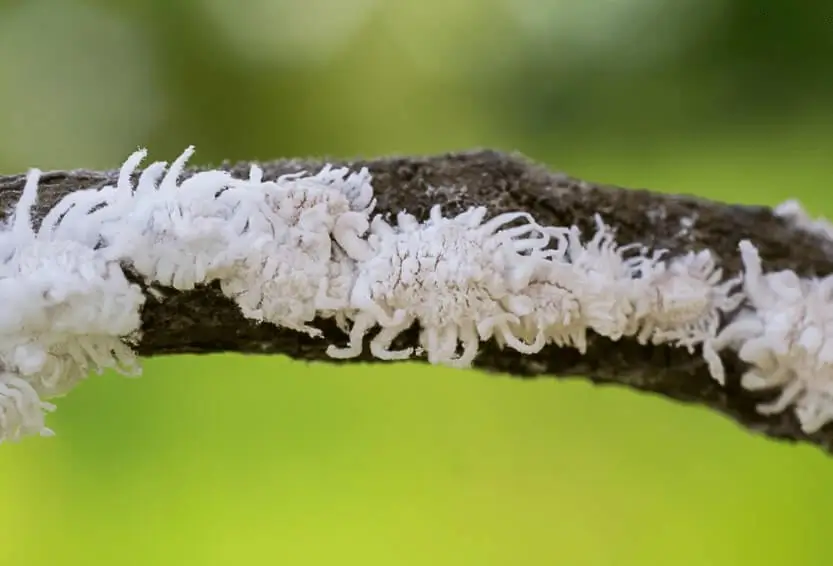
Scale insects are one of the most persistent and damaging pests affecting fruit trees grown in containers. These tiny, sap-sucking insects often go unnoticed until they cause visible damage such as yellowing leaves, sticky residue, and weakened plant growth. Because potted fruit trees have limited space and resources, infestations can escalate quickly if not addressed early. Understanding how to identify scale insects, apply effective treatments, and implement preventive measures is essential for keeping your container fruit trees healthy, productive, and pest-free.
Why Scale Insects Matter for Container Fruit Gardening
Container-grown fruit trees are more vulnerable to scale insects than in-ground trees for several reasons:
- Limited root space means stress builds faster
- Reduced airflow on balconies and patios encourages pests
- Frequent fertilizing creates tender growth that attracts scale
- Close plant spacing allows infestations to spread quickly
Scale insects feed by piercing plant tissue and extracting sap. Over time, this weakens your tree, reduces flowering and fruiting, and opens the door to secondary problems like fungal disease. Many species also produce honeydew, a sticky substance that attracts ants and leads to sooty mold, blocking photosynthesis.
If you’re already dealing with pests like aphids or spider mites, scale insects often appear alongside them—especially on stressed trees. If that sounds familiar, you may want to review our guide on managing aphids on potted fruit trees to understand how pest pressure builds in containers.
What Are Scale Insects? (And Why They’re Hard to Spot)
Scale insects are small, immobile pests that attach themselves to stems, branches, and sometimes leaves. They protect themselves with a waxy or shell-like coating, making them resistant to many sprays.
Common Types of Scale on Fruit Trees
- Soft scale
- Oval, flat, or slightly domed
- Produce honeydew
- Common on citrus, figs, and olives
- Armored scale
- Hard, shell-like covering
- Do not produce honeydew
- Often found on apples, pears, and stone fruit
In containers, citrus and fig trees are especially prone—particularly when overwintered indoors or grown in sheltered urban spaces.
Early Signs of Scale Insects on Fruit Trees
Catching scale early makes treatment far easier. Watch for:
- Small brown, tan, or white bumps on stems or leaf veins
- Sticky leaves, pots, or surrounding surfaces
- Ants crawling up and down the trunk
- Yellowing or curling leaves
- Stunted growth or reduced fruit set
A simple test: gently scrape a bump with your fingernail. If it comes off easily and leaves a green mark underneath, it’s likely scale.
Step-by-Step: How to Treat Scale Insects on Container Fruit Trees
Step 1: Isolate the Affected Tree
Move the infested tree away from others immediately. Scale spreads easily in small spaces, especially on balconies or rooftops.
Step 2: Prune Heavily Infested Areas
Use clean, sharp pruning shears to remove branches or stems heavily covered in scale. Dispose of clippings in sealed bags—never compost them.
If you’re unsure how much pruning is safe, see our article on proper pruning techniques for container fruit trees to avoid over-stressing the plant.
Step 3: Manual Removal (Highly Effective)
For light to moderate infestations:
- Dip a cotton swab in rubbing alcohol (70%)
- Dab directly onto visible scale insects
- Wipe them off gently with a soft cloth
This method works well for beginners and avoids chemical exposure.
Step 4: Apply Horticultural Oil or Neem Oil
Spray thoroughly, coating:
- Stems
- Branch joints
- Undersides of leaves
Apply in the early morning or evening to avoid leaf burn. Repeat every 7–10 days for 2–3 cycles.
Step 5: Control Ants
Ants protect scale insects in exchange for honeydew. Use sticky barriers or natural ant deterrents around the pot and trunk to break this cycle.
Common Mistakes Beginners Make With Scale Insects
1. Treating Too Late
Scale populations explode quietly. By the time leaves drop, the infestation is already advanced.
2. Using Harsh Chemicals Indoors
Systemic insecticides can harm beneficial insects, contaminate fruit, and are risky for indoor or balcony growing.
3. Ignoring Plant Stress
Overwatering, poor drainage, or nutrient imbalance weakens trees and invites pests. If your tree recently experienced temperature shock, review our guide on protecting potted fruit trees from climate stress.
4. One-Time Treatment Only
Scale insects have multiple life stages. A single spray rarely solves the problem—consistency is key.
Soil, Container, and Care Tips to Prevent Scale Insects
Healthy trees resist pests better than stressed ones. Focus on prevention:
Use the Right Potting Mix
- Well-draining
- Slightly aerated
- Avoid heavy garden soil
Choose Proper Container Size
Roots should not be cramped, but oversized pots can cause waterlogging. If unsure, our guide on choosing the right container size for fruit trees explains the balance.
Improve Airflow and Light
- Space containers apart
- Avoid dark corners
- Rotate pots regularly
Clean Leaves Monthly
Wipe leaves with plain water or diluted neem oil to remove dust, eggs, and early pests.
FAQ: Scale Insects on Fruit Trees
What causes scale insects on fruit trees?
Scale insects thrive on stressed trees—often due to poor airflow, excess nitrogen, or overwintering indoors where natural predators are absent.
Are scale insects harmful to fruit?
Yes. Heavy infestations reduce sap flow, weaken branches, and can significantly reduce fruit size, quality, and yield.
Can scale insects kill a fruit tree?
In containers, severe untreated infestations can kill young or already stressed fruit trees over time.
How long does it take to get rid of scale insects?
Most infestations take 3–6 weeks of consistent treatment to control fully.
Is neem oil safe for edible fruit trees?
Yes, when used as directed and stopped a few weeks before harvest.
Conclusion: Take Control Before Scale Takes Over
Scale insects on fruit trees may look harmless, but left untreated, they slowly drain your tree’s health and productivity—especially in containers. The key is early detection, gentle but consistent treatment, and long-term prevention through proper care. By pruning affected areas, removing scale manually, and maintaining healthy growing conditions, you can protect your container fruit trees without harsh chemicals. Inspect your trees regularly, act quickly at the first sign of trouble, and focus on plant health. Healthy trees don’t just survive pests—they resist them.