
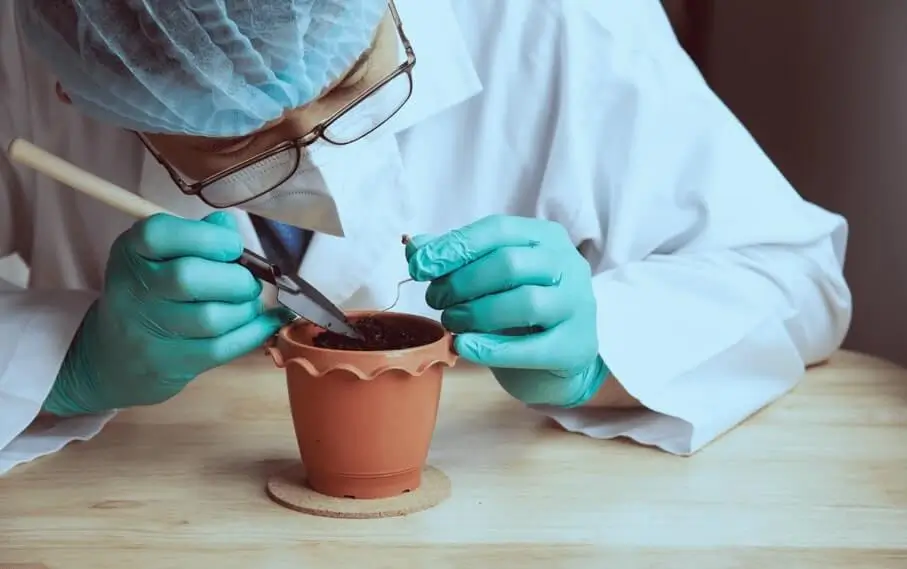
A foul odor coming from your potting soil is more than just unpleasant—it’s a warning sign that something is wrong beneath the surface. Whether it smells like rot, sour milk, or even sulfur, this issue can harm your container fruit trees if left untreated. Understanding the causes and applying the right fixes will help restore a healthy growing environment and keep your plants thriving.
Why Bad Smell Coming From Potting Soil Matters in Container Fruit Gardening
Container fruit trees are far more sensitive to soil problems than in-ground plants. When there’s a bad smell coming from potting soil, it usually means the soil has turned anaerobic—lacking oxygen.
Healthy potting soil should smell earthy and fresh. When it smells sour, musty, or like sulfur, harmful bacteria are dominating instead of beneficial microbes.Why this is dangerous for fruit trees in pots
- Roots suffocate when oxygen is displaced by excess water
- Root rot pathogens thrive in stagnant, airless soil
- Nutrient uptake stops, even if fertilizer is present
- Growth stalls, leaves yellow or wilt, and fruiting suffers
If you’ve already noticed leaf curl, wilting, or browning tips, the soil issue may be the hidden cause. This is often linked to problems discussed in guides like curling leaves on potted fruit trees or fruit trees wilting in containers.
What Causes a Bad Smell Coming From Potting Soil?
Understanding the cause is key before fixing the problem. In most cases, one or more of these factors are responsible.
1. Overwatering (The #1 Cause)
Too much water fills the air pockets in soil. Once oxygen is gone, anaerobic bacteria produce gases like hydrogen sulfide—the classic rotten egg smell.
Common triggers:
- Watering on a fixed schedule instead of checking soil moisture
- Cool or cloudy weather reducing evaporation
- Large pots with poor drainage
2. Poor Drainage or No Drainage Holes
Even perfect watering habits won’t help if excess water has nowhere to go. Decorative pots without holes are a frequent culprit.
3. Old or Compacted Potting Mix
Over time, potting soil breaks down:
- Organic matter collapses
- Air spaces disappear
- Water drains more slowly
This is common in containers that haven’t been repotted for 2–3 years.
4. Decomposing Organic Material
Unfinished compost, kitchen scraps, or buried mulch can rot anaerobically inside pots, producing foul smells.
5. Root Rot and Dead Roots
When roots die due to excess moisture, they begin to decay—adding to the smell and accelerating soil problems.
Step-by-Step: How to Fix Bad Smell Coming From Potting Soil
Follow these steps carefully to restore healthy, odor-free soil.
Step 1: Stop Watering Immediately
Let the soil dry out partially. This alone may resolve mild cases.
Check moisture correctly:
- Insert your finger 2–3 inches deep
- Use a wooden stick to test deeper moisture
- Ignore surface dryness—it can be misleading
Step 2: Check Drainage Holes
Lift the pot and inspect:
- Are holes present and open?
- Is water draining freely after watering?
Fix:
- Drill additional holes if needed
- Elevate the pot slightly to improve runoff
Step 3: Remove the Plant if Smell Persists
If odor remains after drying:
- Gently remove the fruit tree from the pot
- Inspect roots
Healthy roots: white or light tan, firm
Rotten roots: brown/black, mushy, foul-smelling
Trim damaged roots with clean pruners.
Step 4: Replace the Soil (Best Long-Term Fix)
Discard the old soil completely. Do not reuse it.
Use a fresh, well-draining mix:
- Quality potting soil (not garden soil)
- Added perlite or pumice (20–30%)
- Optional: small amount of finished compost
This step often solves issues connected to brown leaf tips on fruit trees and chronic nutrient problems.
Step 5: Repot Correctly
- Choose a pot with excellent drainage
- Avoid oversized containers for small root systems
- Water once thoroughly, then allow excess to drain
Best Soil and Container Practices to Prevent Smelly Potting Soil
Choose the Right Potting Mix for Fruit Trees
Look for:
- Labeled “well-draining” or “container mix”
- Coarse texture, not dense or muddy
- No strong odor straight from the bag
Avoid:
- Heavy peat-only mixes without aeration
- Cheap soil that compacts quickly
Use the Right Container
- Always use drainage holes
- Breathable materials (fabric, terracotta) help oxygen flow
- Avoid saucers that trap standing water
Water the Smart Way
- Water deeply, then wait
- Adjust frequency by season
- In winter, reduce watering drastically
If you grow citrus, figs, or stone fruits, seasonal adjustments are critical and often linked to winter issues covered in fruit trees winter care in containers.
Refresh Soil Regularly
- Top-dress annually
- Full repot every 2–3 years
- Replace compacted soil early
Common Mistakes Beginners Make
Mistake 1: Watering “a Little Every Day”
This keeps soil constantly wet and oxygen-starved.
Mistake 2: Using Garden Soil in Pots
Garden soil compacts easily and drains poorly in containers.
Mistake 3: Ignoring Early Smells
A mild odor is an early warning—waiting allows root damage to spread.
Mistake 4: Adding More Fertilizer
Bad-smelling soil is not a nutrient deficiency. Fertilizer often worsens the problem.
Mistake 5: Covering Drainage Holes with Rocks
This myth actually reduces drainage and increases waterlogging.
FAQ: Bad Smell Coming From Potting Soil
Why does my potting soil smell like rotten eggs?
This smell comes from anaerobic bacteria producing sulfur gases due to waterlogged, oxygen-poor soil.
Can smelly potting soil harm my fruit tree?
Yes. It often leads to root rot, nutrient lockout, and long-term decline if not fixed.
Should I reuse smelly potting soil?
No. Once anaerobic, the microbial balance is damaged. Always replace it.
How long does it take for soil smell to go away?
Mild cases may improve in a few days after drying. Severe cases require full soil replacement.
Is mold in potting soil related to bad smells?
Sometimes. Mold indicates excess moisture and poor airflow, often alongside anaerobic conditions.
Can compost cause bad smells in containers?
Yes, if it’s unfinished or used in large amounts without proper aeration.
Conclusion: Fresh Soil Means Healthy Fruit Trees
A bad smell coming from potting soil is never something to ignore—especially in container fruit gardening. It’s a clear signal that roots are under stress and oxygen is missing. By acting quickly, improving drainage, replacing compacted soil, and adjusting watering habits, you can fully reverse the problem.
Healthy soil should smell clean, feel light, and drain freely. Make soil checks part of your regular care routine, and your container fruit trees will reward you with stronger growth, greener leaves, and better harvests. Start by fixing the soil today—it’s the foundation of everything you grow.