
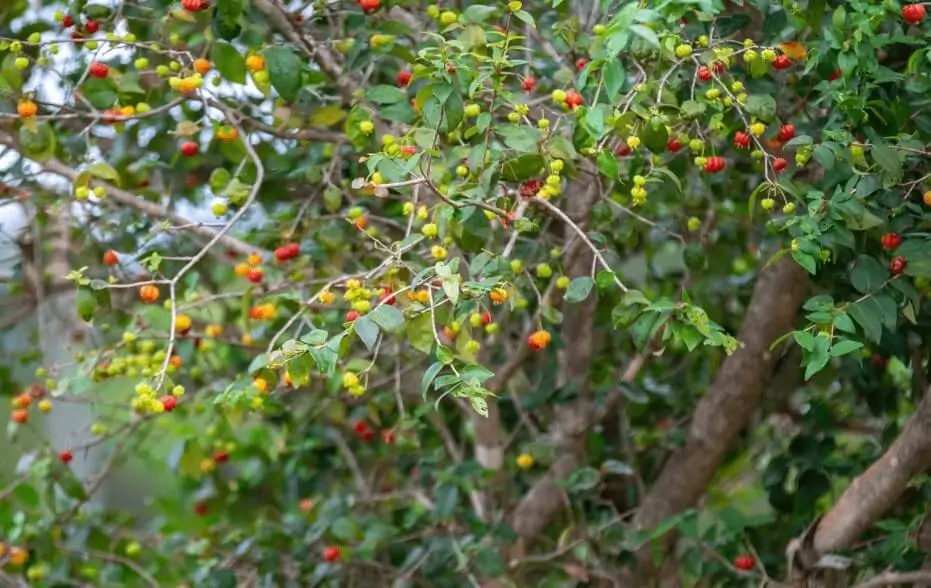
Growing fruit trees in containers is rewarding—but it can be frustrating when your harvest turns out much smaller than expected. Tiny fruits are often a sign that something isn’t quite right with your tree’s environment, nutrition, or care routine.
In this guide, you’ll discover the most common reasons behind small fruit size and exactly how to fix them so your trees can produce bigger, healthier, and more flavorful harvests.
Why Fruit Trees Producing Very Small Fruit Is Common in Containers
Container fruit gardening offers flexibility, but it also creates unique challenges that directly affect fruit size.
Limited Root Space = Limited Fruit Development
Roots are responsible for absorbing water and nutrients. In containers, roots are confined, which limits:
- Nutrient uptake
- Water storage
- Hormonal signals needed for fruit sizing
If the roots struggle, the fruit pays the price.
Higher Risk of Nutrient Imbalances
Unlike in-ground trees, container-grown fruit trees rely entirely on you for nutrition. Too much nitrogen causes leafy growth at the expense of fruit size, while deficiencies in potassium, calcium, or boron can severely limit fruit development.
Stress Shows Faster in Pots
Heat stress, inconsistent watering, or compacted soil affect container trees much faster. Even short stress periods during flowering or early fruit formation can lead to permanently small fruit.
If you’re new to container growing, this foundational guide on growing fruit trees successfully in containers explains how pot size, soil depth, and root health affect long-term productivity.
The Most Common Reasons Fruit Trees Produce Very Small Fruit
1. Too Many Fruits on the Tree (Overcropping)
One of the biggest — and most overlooked — causes of very small fruit is overloading the tree.
When a tree sets too many fruits:
- Energy is divided between too many developing fruits
- Each fruit receives fewer sugars and nutrients
- Final size and flavor suffer
This is extremely common with apples, pears, peaches, plums, and citrus.
2. Poor or Incorrect Pruning
Fruit trees that aren’t pruned properly:
- Waste energy on weak or shaded branches
- Produce excessive foliage instead of fruit growth
- Develop uneven fruit distribution
In containers, poor pruning quickly leads to small fruit because energy is already limited.
3. Inadequate Sunlight
Fruit trees need 6–8+ hours of direct sunlight daily. Less light means:
- Reduced photosynthesis
- Lower sugar production
- Smaller, less flavorful fruit
Even partial shade can dramatically reduce fruit size.
4. Nutrient Imbalance (Not Just Lack of Fertilizer)
More fertilizer does not mean bigger fruit.
Common issues include:
- Excess nitrogen → lots of leaves, small fruit
- Low potassium → poor fruit sizing
- Calcium deficiency → small, weak fruit prone to cracking
If your tree looks healthy but produces tiny fruit, nutrition imbalance is likely the issue.
5. Water Stress at Critical Times
Fruit sizing depends heavily on consistent moisture after flowering. If watering is irregular:
- Fruit cells stop expanding
- Size reduction becomes permanent
This often happens during hot weather or when pots dry out too quickly.
Step-by-Step Solutions to Fix Very Small Fruit on Trees
Step 1: Thin Fruit Aggressively (This Is Non-Negotiable)
Thinning is the single most effective fix for fruit trees producing very small fruit.
General thinning rules:
- Apples & pears: 1 fruit every 4–6 inches
- Peaches & plums: 1 fruit every 6–8 inches
- Citrus: Remove clusters, keep strongest fruit
Yes, it feels painful — but fewer fruits = larger fruit.
If your tree frequently drops fruit or struggles after harvest, this guide on fruit trees dying in pots explains how overcropping leads to long-term decline.
Step 2: Adjust Fertilizing for Fruit Size (Not Leaf Growth)
Use fertilizer strategically:
- Early spring: Balanced fertilizer
- After flowering: Lower nitrogen, higher potassium
- Mid-season: Avoid nitrogen-heavy feeds
Look for fruit-specific fertilizers or supplement with:
- Potassium sulfate
- Compost tea
- Seaweed extract (in moderation)
Step 3: Upgrade Container Size When Needed
If your tree:
- Dries out daily
- Produces small leaves and fruit
- Shows slowed growth
…it may be root-bound.
Most dwarf fruit trees need at least 15–25 gallons to support proper fruit sizing. Learn how container volume impacts productivity in this complete guide to choosing the right container size for fruit trees.
Step 4: Improve Soil Structure
Old, compacted soil suffocates roots.
Refresh container soil by:
- Replacing top 30–40% every 1–2 years
- Mixing in compost and perlite
- Ensuring excellent drainage
Healthy soil directly equals larger fruit.
Step 5: Maintain Consistent Watering
Inconsistent watering is one of the fastest ways to shrink fruit size.
Best practices:
- Water deeply until runoff
- Avoid letting soil fully dry during fruit development
- Mulch container surfaces to reduce evaporation
If leaves look pale or stressed, this guide on fruit trees with pale green leaves explains how water and nutrition interact.
Beginner Mistakes That Keep Fruit Small
Skipping Fruit Thinning Entirely
Many beginners assume trees will self-regulate. Most don’t — especially in containers.
Overfeeding Nitrogen
Lush leaves are not a sign of success if fruit remains tiny.
Ignoring Sun Exposure
Moving containers seasonally can dramatically improve fruit size.
Using Decorative Pots Without Drainage
Poor drainage = stressed roots = small fruit.
Tools, Containers, and Care Tips for Bigger Fruit
Essential Tools
- Sharp pruning shears
- Moisture meter
- Organic fruit tree fertilizer
- Mulch (straw or bark)
Container Tips
- Choose light-colored pots to reduce heat stress
- Elevate pots slightly for airflow
- Avoid shallow containers
Seasonal Care
- Thin fruit early
- Feed lightly but consistently
- Reduce stress during heat waves
FAQ: Fruit Trees Producing Very Small Fruit
Why are my fruit trees healthy but fruit is tiny?
Healthy leaves don’t guarantee healthy fruit. Overcropping, nutrient imbalance, or limited root space are common hidden causes.
Will small fruit grow bigger later in the season?
No. Fruit size is mostly determined early. If fruit stays small after thinning stage, it won’t catch up.
Does pruning affect fruit size?
Yes. Proper pruning improves light penetration and directs energy toward fewer, larger fruits.
Can dwarf fruit trees produce full-size fruit?
Absolutely. Dwarf trees produce normal-sized fruit, just fewer of them — if cared for properly.
Is small fruit caused by poor pollination?
Poor pollination affects fruit quantity more than size. Small fruit is usually a resource or stress issue.
Conclusion: How to Get Bigger, Better Fruit Every Season
Fruit trees producing very small fruit is not a failure — it’s feedback. Your tree is telling you it’s overstressed, overworked, or under-supported. By thinning fruit, balancing nutrients, upgrading containers, and maintaining consistent care, even beginner gardeners can dramatically improve fruit size and quality.
Start with fruit thinning this season, assess container size, and adjust fertilization. These small changes lead to noticeably larger harvests — even in limited spaces.
With the right approach, container-grown fruit trees can produce fruit that rivals in-ground orchards — size, flavor, and all.
Sweet blog! I found it while searching on Yahoo News.
Do you have any suggestions on how to get listed in Yahoo
News? I’ve been trying for a while but I never
seem to get there! Appreciate it