
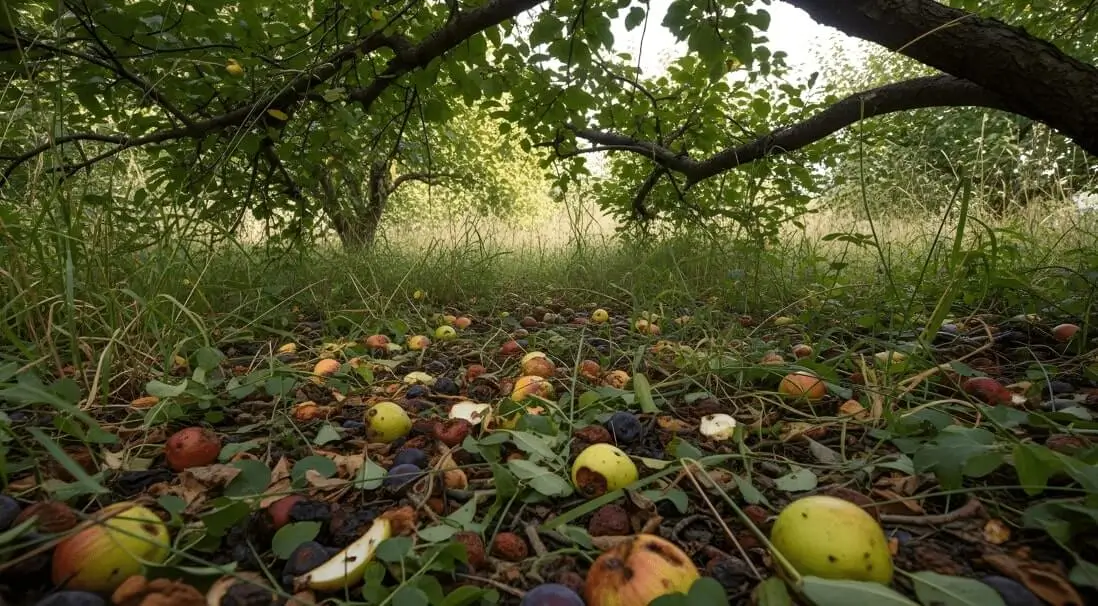
Fruit trees dropping small fruits is a common problem that frustrates many gardeners, especially when trees appear healthy at first. In most cases, premature fruit drop happens because of stress, poor pollination, inconsistent watering, nutrient imbalance, pests, or environmental changes. Understanding why fruit trees shed immature fruits can help you protect your harvest, improve tree health, and grow larger, healthier fruit in future seasons.
Why Fruit Trees Dropping Small Fruits Matters in Container Gardening
Container fruit trees live in a more controlled—but also more stressful—environment than in-ground trees. When a tree drops small fruits, it’s not being “difficult.” It’s making a survival decision.
In pots, fruit drop usually means:
- The tree doesn’t have enough resources to support developing fruit.
- Growing conditions changed suddenly.
- The tree is overloaded and self-thinning
Unlike leaf drop or flower drop, small fruit drop happens after pollination, which means something went wrong after the tree already invested energy.
For container gardeners, ignoring this signal can lead to:
- Repeated crop failure year after year
- Weak, unproductive trees
- Poor root and canopy development
If you’ve also struggled with flowers falling off fruit trees in pots, fruit drop is often the next stage of the same underlying problem.
The Most Common Reasons Fruit Trees Drop Small Fruits
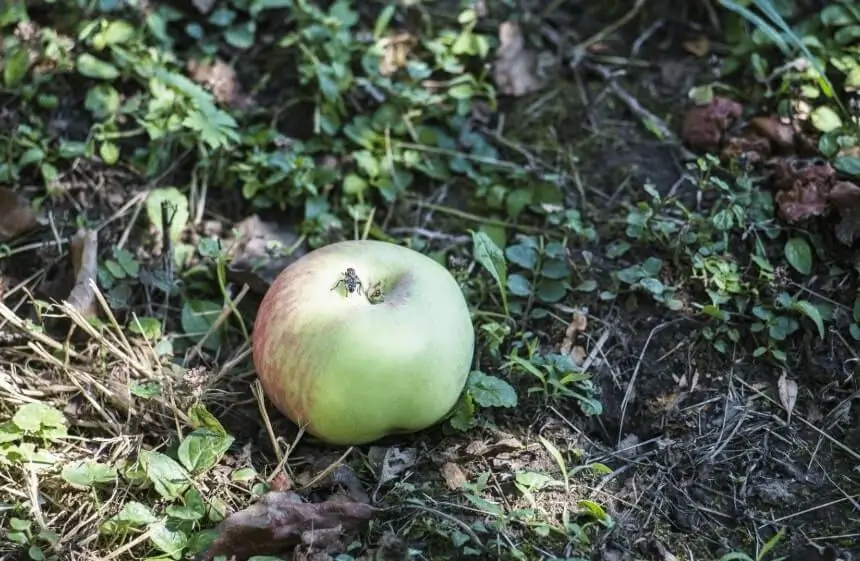
1. Natural Fruit Thinning (Normal and Healthy)
Many fruit trees intentionally drop excess fruit shortly after setting. This is called the June drop (even if it happens earlier or later).
This is normal when:
- The tree sets more fruit than it can support
- Fruits drop evenly and gradually.
- Leaves look healthy and green.
In containers, trees often set too many fruits for their pot size. Losing 30–70% of fruitlets can be normal.
👉 What to do:
Do nothing—unless fruit drop continues for weeks or becomes extreme.
Do nothing—unless fruit drop continues for weeks or becomes extreme.
2. Irregular or Incorrect Watering (Most Common Cause)
Inconsistent watering is the #1 trigger for fruit trees dropping small fruits in pots.
Problems include:
- Letting the soil dry out completely
- Overwatering and suffocating roots
- Switching suddenly from dry to soaking wet
When roots can’t absorb water steadily, the tree sheds fruit to reduce demand.
If you’ve noticed yellowing or curling leaves alongside fruit drop, review your watering schedule for potted fruit plants immediately.
👉 Fix it:
- Water deeply until it drains from the bottom
- Water again only when the top 2–3 inches of soil are dry
- Never let pots sit in standing water.
3. Nutrient Imbalance (Too Little or Too Much)
Fruit development requires balanced nutrition, not just nitrogen.
Common mistakes:
- Too much nitrogen → leafy growth, fruit drop
- Not enough potassium → weak fruit retention
- Micronutrient deficiencies (magnesium, boron, zinc)
Container soil loses nutrients quickly, especially after frequent watering.
👉 Fix it:
- Use a balanced slow-release fertilizer for fruit trees.
- Supplement with liquid feed every 2–4 weeks during fruiting.
- Avoid high-nitrogen fertilizers once flowering begins.
If your tree grows leaves well but fails to hold fruit, this often relates to why fruit trees don’t produce fruit in pots.
4. Pot Size Is Too Small
A root-bound tree simply cannot support fruit long-term.
Warning signs:
- Frequent wilting despite watering
- Roots circling the pot
- Very small fruits are dropping early.
Small pots = limited water + limited nutrients + stressed roots.
👉 Fix it:
- Upgrade to a pot at least 15–25 gallons for most fruit trees.
- Ensure excellent drainage
- Use breathable containers if possible.
Choosing the right container size for fruit trees is one of the most important long-term decisions you’ll make.
5. Temperature Stress and Weather Swings
Sudden changes cause trees to abort fruit.
Triggers include:
- Heat waves above 32°C (90°F)
- Cold nights after fruit set
- Strong drying winds on balconies
Container trees heat and cool faster than ground trees.
👉 Fix it:
- Move pots to partial shade during extreme heat.
- Protect from cold drafts at night.
- Use mulch to stabilize soil temperature.
6. Poor Pollination (Delayed Fruit Drop)
Sometimes fruit sets initially but drops later due to incomplete pollination.
Common in:
- Indoor or sheltered balcony trees
- Single varieties needing cross-pollination
- Low insect activity
👉 Fix it:
- Hand-pollinate flowers with a soft brush
- Grow compatible varieties nearby.
- Encourage pollinators with flowering plants.
Step-by-Step Solutions to Stop Fruit Drop
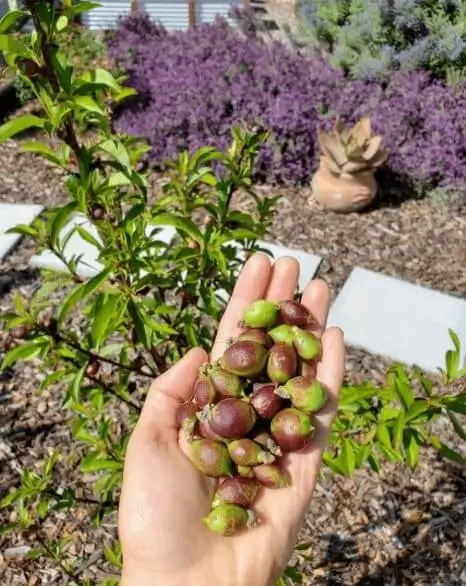
Step 1: Stabilize Watering Immediately
- Same time of day
- Same depth each watering
- No extremes
Consistency matters more than frequency.
Step 2: Feed Smart, Not Heavy
- Balanced NPK (example: 5-5-5 or 6-6-6)
- Extra potassium during fruiting
- Avoid fertilizing stressed or dry soil.
Step 3: Thin Excess Fruit Manually
If your tree holds too many fruitlets:
- Leave 1 fruit every 10–15 cm (4–6 inches)
- Remove the weakest or shaded fruits.
This dramatically improves fruit retention.
Step 4: Reduce Stress
- Mulch the soil surface.
- Protect from wind
- Avoid pruning during fruiting.
Common Beginner Mistakes That Cause Fruit Drop
- Watering a little every day instead of deeply
- Using garden soil instead of well-draining potting mix
- Overfertilizing “to help fruit grow.”
- Keeping trees in decorative pots without drainage
- Ignoring root space needs
Many of these mistakes also lead to yellow leaves on fruit trees in containers, which often appear before fruit drop.
Tools, Soil, and Care Tips That Make a Real Difference
Best Soil for Fruit Retention
- Free-draining potting mix
- Added compost (10–20%)
- Perlite or bark for airflow
Must-Have Tools
- Moisture meter (optional but helpful)
- Slow-release fertilizer
- Mulch (bark, straw, coconut coir)
Ongoing Care Tips
- Rotate pots monthly for even sunlight.
- Clean drainage holes regularly
- Monitor leaves weekly for stress signals.
FAQ: Fruit Trees Dropping Small Fruits
Why does my fruit tree set fruit, then drop them?
Because the tree senses it cannot support all the fruits due to water stress, nutrient deficiencies, root space, or temperature changes.
Is it normal for fruit trees to drop some fruit?
Yes. Light fruit drop is normal, especially in young or container-grown trees.
Can overwatering cause fruit drop?
Absolutely. Overwatering damages roots, reducing nutrient uptake and triggering fruit loss.
Will my tree produce fruit again after dropping them?
Yes, if you correct the cause. Many trees rebound in the same season or the following year.
Should I fertilize when the fruits start falling?
Only if nutrient deficiency is confirmed. Never fertilize a stressed, dry, or waterlogged tree.
Conclusion: How to Keep Your Fruit on the Tree
Fruit trees dropping small fruits is not a failure—it’s feedback. In containers, small mistakes become big problems, but they’re also easier to fix once identified.
Focus on:
- Consistent watering
- Proper pot size and drainage
- Balanced nutrition
- Stress reduction
By stabilizing growing conditions and supporting your tree at the right time, you can turn early fruit loss into a healthy, productive harvest. Start with water and roots first—everything else builds from there.
If you apply these steps now, your next flush of fruit has a much better chance of staying right where it belongs: on the tree 🌱🍎