
Yellow leaves on lemon trees in containers are one of the most common problems container gardeners face. A healthy lemon tree should have vibrant green foliage, so when leaves start turning yellow, it usually signals stress caused by watering issues, nutrient deficiencies, poor drainage, pests, or environmental changes. The good news is that most causes can be fixed quickly once identified. In this guide, you’ll learn the most common reasons for yellow leaves on potted lemon trees, how to restore healthy growth, and the best prevention methods to keep your container lemon tree thriving year-round
Why Yellow Leaves on Lemon Trees in Containers Matter
Yellowing leaves (chlorosis) are more than a cosmetic issue. For container lemon trees, they often signal a deeper imbalance that can affect flowering, fruit set, and overall health.
In pots, lemon trees have:
- Limited soil volume, so nutrients run out faster
- Restricted drainage increases the risk of root problems.
- Greater exposure to watering mistakes, both over- and under-watering
If yellow leaves are ignored, your tree may:
- Drop flowers and young fruit.
- Stop producing new growth.
- Become vulnerable to pests and diseases.
Catching the cause early is essential, especially for small-space gardeners who rely on containers for successful citrus growing.
Step-by-Step: Why Lemon Tree Leaves Turn Yellow in Pots
1. Overwatering (The #1 Cause)
Overwatering is the most common reason for yellow leaves on lemon trees in containers. When soil stays wet for too long, roots can’t access oxygen, leading to root stress or rot.
Signs of overwatering:
- Yellow leaves starting at the bottom
- Soft or mushy roots
- Soil that stays wet for days after watering
How to fix it:
- Let the top 2–3 inches of soil dry before watering.
- Use pots with multiple drainage holes.
- Empty saucers after watering
If you’re unsure about timing, follow a consistent approach similar to the guidance in watering fruit trees in summer and adjust based on temperature and pot size.
2. Underwatering and Irregular Watering
Yellow leaves can also mean your lemon tree is too dry—especially in warm weather or small containers.
Symptoms:
- Yellowing with dry, crispy leaf edges
- Leaf drops shortly after yellowing.
- Soil is pulling away from the pot edges.
Solution:
- Water deeply until the excess drains out
- Increase watering frequency during hot periods.
- Avoid letting the soil dry out completely.
Balancing moisture is key, and understanding the signs of underwatering fruit trees can help you catch the problem early.
3. Nutrient Deficiencies (Very Common in Containers)
Potted lemon trees quickly use up nutrients, and deficiencies often show up as yellow leaves.
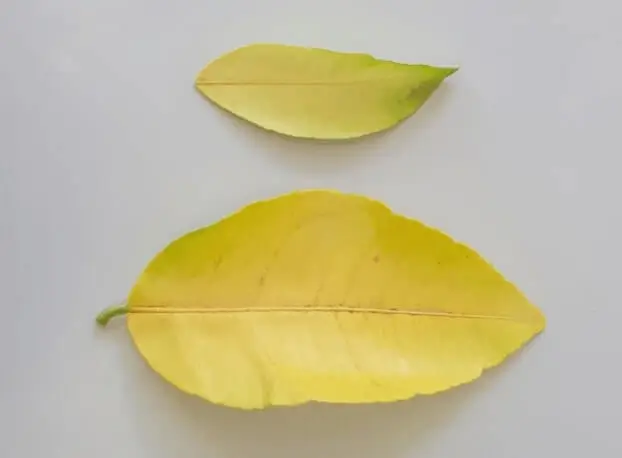
Nitrogen Deficiency
- Pale yellow leaves overall
- Slow growth
Fix:
Use a citrus-specific fertilizer with balanced nitrogen.
Use a citrus-specific fertilizer with balanced nitrogen.
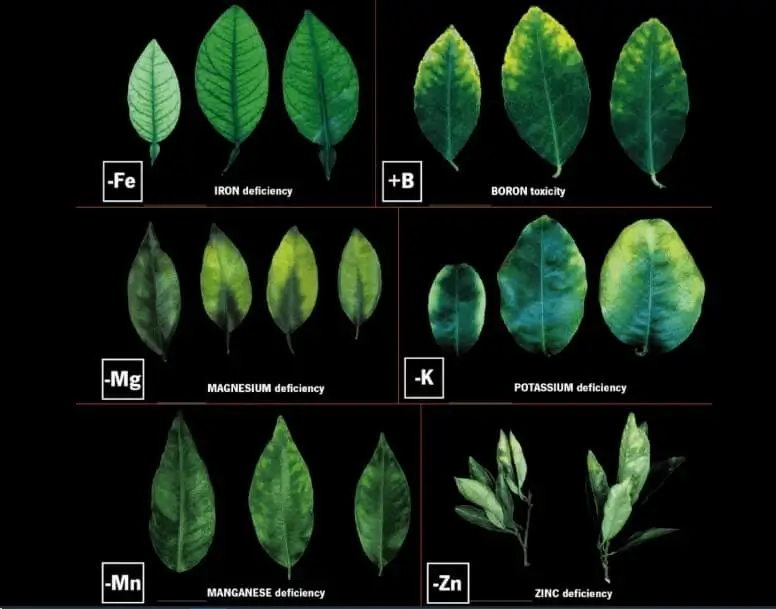
Iron Deficiency
- Yellow leaves with green veins
- Common in alkaline soil or hard water areas
Fix:
- Apply chelated iron
- Use a slightly acidic potting mix.
If feeding feels confusing, a clear schedule like the one explained in How Often to Fertilize Fruit Trees in pots can make a big difference.
4. Poor Soil or Compacted Potting Mix
Garden soil or old, compacted potting mix can suffocate roots and block nutrient uptake.
Warning signs:
- Water pools on the surface
- Roots circle tightly inside the pot.
- Yellow leaves despite regular feeding
Best practice:
- Use a well-draining citrus potting mix.
- Repot every 2–3 years.
- Consider refreshing soil annually.
Learning the difference between potting mix and garden soil for fruit trees is crucial for container success.
5. Incorrect Pot Size or Rootbound Trees
A pot that’s too small can cause nutrient stress and yellow leaves.
Signs your lemon tree needs a bigger pot:
- Roots growing out of drainage holes.
- Frequent wilting
- Yellow leaves despite proper care
Solution:
- Move up gradually (2–4 inches wider)
- Avoid oversized pots that hold excess water.
Choosing the best pot size for lemon trees helps maintain a healthy balance between roots, soil, and moisture.
6. Temperature Stress and Light Issues
Lemon trees are sensitive to sudden temperature changes, especially in containers.
Cold stress:
- Yellow leaves after chilly nights
- Leaf drop in winter
Low light:
- Pale yellow leaves
- Weak, leggy growth
What to do:
- Protect pots from cold drafts.
- Move indoors during frost.
- Ensure 6–8 hours of direct sunlight daily.
Tools, Soil, and Care Tips to Prevent Yellow Leaves
Essential Tools
- Moisture meter (optional but helpful)
- Well-draining containers with holes
- Balanced citrus fertilizer
Best Soil Mix for Potted Lemon Trees
- High-quality potting mix
- Perlite or sand for drainage
- Organic matter for nutrients
If you enjoy DIY solutions, learning how to make a homemade soil mix for fruit trees can save money and improve results.
Smart Care Habits
- Fertilize during active growth (spring–summer)
- Flush soil occasionally to remove salt buildup.
- Rotate pots for even sun exposure.
Common Mistakes Beginners Make
- Watering on a fixed schedule instead of checking the soil
- Using garden soil in containers
- Ignoring drainage holes
- Overfertilizing to “fix” yellow leaves quickly
- Keeping lemon trees indoors without enough light
Avoiding these mistakes alone can prevent most yellow leaf problems.
FAQ: Yellow Leaves on Lemon Trees in Containers
Why are my lemon tree leaves turning yellow but not falling off?
This often points to a nutrient deficiency, especially nitrogen or iron, rather than watering issues.
Can yellow leaves turn green again?
Sometimes. If the cause is mild nutrient stress, new growth will be green, but old leaves may not fully recover.
How often should I fertilize a potted lemon tree?
During spring and summer, feed every 2–4 weeks with a citrus fertilizer. Reduce feeding in winter.
Do lemon trees need special soil in pots?
Yes. They require a well-draining, slightly acidic potting mix to prevent yellowing and root problems.
Is yellowing normal in winter?
Some yellowing can occur due to lower light and cooler temperatures, but excessive yellowing indicates a care issue.
Conclusion: Bringing Your Lemon Tree Back to Health
Yellow leaves on lemon trees in containers are common—but they’re also fixable. In most cases, the issue comes down to watering balance, proper nutrition, and the right soil and pot setup. By identifying the cause early and making small adjustments, you can quickly restore healthy green growth and encourage flowering and fruiting.
Your next steps:
- Check soil moisture and drainage.
- Review your fertilizing routine.
- Assess pot size, soil quality, and sunlight.
With consistent care and the right setup, your container-grown lemon tree can thrive—and reward you with glossy leaves, fragrant blossoms, and homegrown lemons. 🍋