
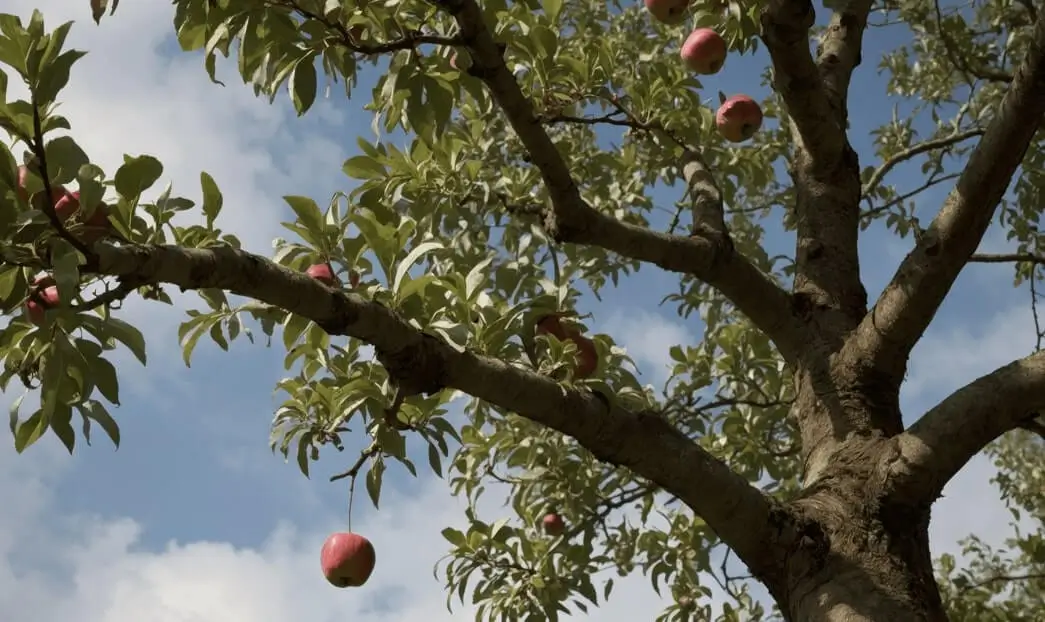
Fruit trees that fail to produce in summer can be frustrating, especially for container gardeners expecting a healthy harvest. From poor pollination and heat stress to improper watering, pruning mistakes, or nutrient imbalances, several hidden factors can limit fruit production. Understanding these causes is the first step toward restoring your tree’s productivity. With the right adjustments and proven container-growing strategies, you can encourage stronger flowering, better fruit set, and a more reliable summer yield.
Why Fruit Trees Not Fruiting in Summer Is a Common Container-Gardening Problem
Container fruit trees behave differently from those planted in the ground. While pots give you flexibility and control, they also magnify small mistakes.
Key reasons this issue matters for container growers:
- Containers restrict root growth, affecting flowering and fruit set
- Nutrients wash out faster with frequent watering
- Temperature swings are more extreme in pots
- Light exposure is often limited on balconies and patios
When a fruit tree senses stress or imbalance, it prioritizes survival—not reproduction. Understanding this principle is the foundation for fixing summer fruiting problems.
Fruit Trees Not Fruiting in Summer: The Main Causes
1. Too Much Nitrogen, Not Enough Balance
One of the most common reasons fruit trees don’t fruit in summer is excessive nitrogen.
Symptoms:
- Dark green, lush leaves
- Rapid shoot growth
- Few or no flowers
- Flowers drop before fruit forms
Nitrogen promotes leaf growth, not fruiting. Many beginners unknowingly use lawn fertilizer or high-nitrogen compost in containers.
Fix:
- Stop nitrogen-heavy feeding in late spring
- Switch to a balanced or low-nitrogen fertilizer (e.g., 5-10-10)
- Focus on potassium and phosphorus for flowering and fruiting
2. Insufficient Sunlight (Even in Summer)
Fruit trees need 6–8 hours of direct sunlight to flower and set fruit. Bright shade or partial sun is often not enough—especially for citrus and stone fruits.
Common mistakes:
- Assuming summer heat equals enough light
- Growing on north-facing balconies
- Obstructions like walls or railings blocking sun
Fix:
- Track actual direct sun hours (not daylight)
- Move containers to the sunniest location possible
- Rotate pots weekly for even exposure
Light issues often show up as flowers that form but never develop into fruit.
3. Improper Pruning Timing
Many gardeners accidentally remove fruiting wood.
Why this matters:
- Some fruit trees fruit on old wood (apples, pears)
- Others fruit on new growth (figs, citrus)
Pruning at the wrong time can remove flower buds before summer.
Fix:
- Avoid heavy pruning in late winter or spring
- Learn your tree’s fruiting habit
- Only remove dead, crossing, or weak branches during the growing season
4. Heat Stress and Flower Drop
High summer temperatures—especially on balconies—can cause flowers to drop before pollination.
Signs of heat stress:
- Flowers falling off suddenly
- Dry potting mix despite watering
- Wilted leaves during midday
Fix:
- Water deeply in the early morning
- Use light-colored containers to reduce root heat
- Provide afternoon shade during heatwaves
- Mulch the soil surface
Heat stress is a silent fruit killer, even when everything else is right.
Step-by-Step Solutions to Get Fruit in Summer
Step 1: Check Your Container Size
Small pots restrict flowering.
Minimum container sizes:
- Citrus: 40–60 liters
- Apples/pears (dwarf): 50–70 liters
- Figs: 40+ liters
If roots are circling tightly, flowering will be reduced.
Upgrade gradually—jumping to oversized pots can cause root rot.
Step 2: Improve Soil Structure
Poor soil = poor fruiting.
Ideal container fruit tree soil:
- Free-draining
- Holds moisture without staying wet
- Rich in organic matter
Use a mix of:
- High-quality potting mix
- Compost
- Perlite or coarse sand
Step 3: Support Pollination
Even self-fertile trees benefit from pollination help.
In containers:
- Insects may be limited
- Wind movement is reduced
What you can do:
- Gently shake flowering branches
- Hand-pollinate with a soft brush
- Grow pollinator-friendly plants nearby
Poor pollination is a hidden cause of fruit trees not fruiting in summer.
Common Beginner Mistakes That Prevent Summer Fruiting
- Overfeeding with nitrogen
- Pruning at the wrong season
- Keeping trees in shade too long
- Letting soil dry out completely
- Expecting young trees to fruit too soon
Important: Many fruit trees need 2–4 years of maturity before consistent fruiting—even in containers.
Care Tips That Increase Summer Fruit Set
Watering
- Deep watering, not frequent shallow watering
- Ensure drainage holes are clear
- Never let containers sit in water
Feeding Schedule
- Spring: balanced fertilizer
- Early summer: fruit-support fertilizer
- Late summer: reduce feeding
Stress Reduction
- Avoid frequent relocation during flowering
- Protect from strong winds
- Keep roots cool
FAQ: Fruit Trees Not Fruiting in Summer
Why is my fruit tree healthy but not producing fruit?
Healthy leaves don’t guarantee fruit. Excess nitrogen, low light, poor pollination, or pruning errors are common causes.
Can fruit trees fruit in containers?
Yes—when given enough sun, space, nutrients, and proper care, container fruit trees can be very productive.
How long before a fruit tree produces fruit?
Most dwarf or grafted trees fruit within 2–4 years. Seed-grown trees can take much longer.
Do fruit trees need stress to fruit?
Mild stress can trigger flowering, but excessive stress (heat, drought, root restriction) prevents fruiting.
Should I remove flowers if my tree is young?
Yes. Removing early flowers helps young trees focus on root and branch development for better future harvests.
Conclusion: Turning Summer Growth Into Real Harvests
If your fruit trees are not fruiting in summer, the problem is almost always fixable. Containers amplify small mistakes—but they also allow precise control once you know what to adjust. Focus on sunlight, balanced feeding, correct pruning, proper watering, and stress reduction.
Start by correcting one issue at a time, observe how your tree responds, and avoid overreacting. With consistent care, your fruit tree will shift from leafy growth to flowers—and finally to fruit.
Your summer harvest starts with the right decisions today. 🌱🍎