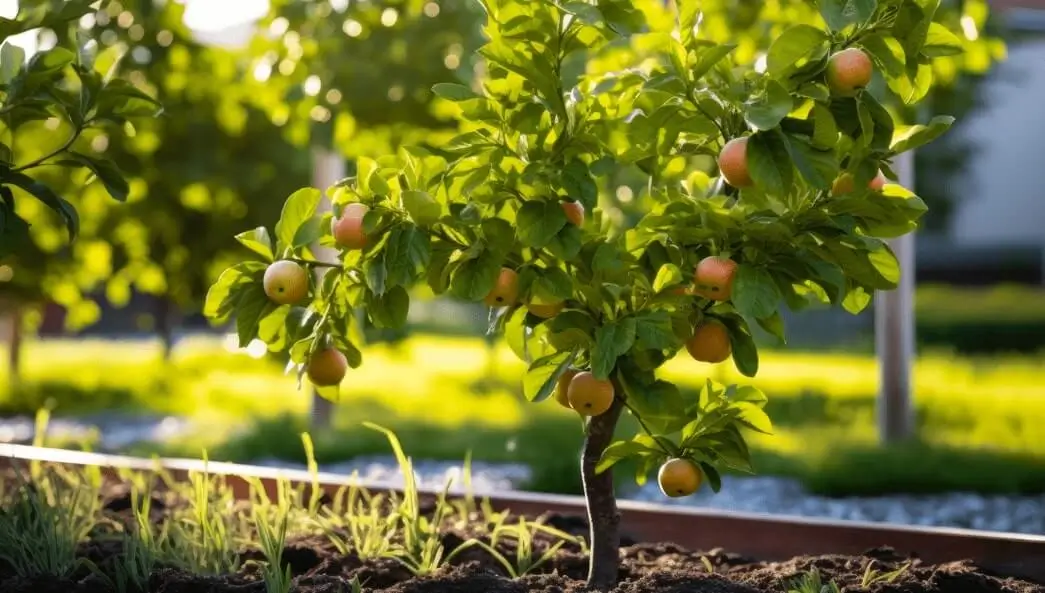
Container fruit gardening is one of the best ways to grow fresh, delicious fruit in small spaces like balconies, patios, rooftops, and apartment gardens. With the right setup, fruit trees can thrive in pots and produce impressive harvests year after year. However, many gardeners unknowingly make simple mistakes that limit tree growth, reduce fruit production, and even damage plant health over time.
From choosing the wrong container size to overwatering, poor drainage, and incorrect fertilizing, these common container gardening errors can prevent your fruit trees from reaching their full potential. The good news is that most of these problems are easy to avoid once you understand the basics of proper container fruit tree care.
In this guide, you’ll discover the most common container fruit gardening mistakes to avoid, along with practical solutions to help your trees stay healthy, productive, and full of life. Whether you’re a beginner or an experienced gardener, these tips will help you grow stronger trees and enjoy bigger harvests in pots.
Why Container Fruit Gardening Mistakes Matter
When mistakes pile up, they lead to:
- Poor root development
- Excess leaf growth with no fruit
- Flower and fruit drop
- Increased pest and disease pressure
The Most Common Container Fruit Gardening Mistakes to Avoid
1. Choosing the Wrong Container Size
One of the biggest beginner mistakes is starting with a pot that’s too small.
Why it’s a problem:
Small containers restrict roots, dry out faster, and limit nutrient uptake. Root-bound trees struggle to flower and fruit.
What to do instead:
- Start with a container at least 40–60 cm (16–24 inches) wide for dwarf fruit trees.
- Upgrade pot size gradually as the tree grows
- Ensure drainage holes are large and unobstructed.
If you’re unsure about sizing, this guide on choosing the right pot size for fruit trees in containers explains how container volume affects growth and fruiting.
2. Using Regular Garden Soil in Pots
Many gardeners reuse garden soil or cheap topsoil in containers—this is a major mistake.
Why it’s a problem:
Garden soil compacts in pots, suffocates roots, and drains poorly, leading to root rot.
Better solution:
Use a high-quality container mix designed for fruit trees:
- Light, well-draining texture
- Added organic matter
- Optional perlite or pine bark for airflow
Healthy roots are the foundation of productive container fruit trees.
3. Overwatering or Underwatering
Watering mistakes are the #1 cause of container fruit tree failure.
Overwatering symptoms:
- Yellowing leaves
- Mushy roots
- Fungal issues
Underwatering symptoms:
- Leaf curl
- Flower drop
- Small or bitter fruit
Instead of guessing, follow a structured approach like this complete watering schedule for potted fruit plants, which explains how watering needs change with seasons, pot size, and weather.
4. Ignoring Sunlight Requirements
Fruit trees are sun-loving plants, but this is often underestimated.
Common mistake:
Place containers in partial shade or indoors near a window.
Correct approach:
- Minimum 6–8 hours of direct sunlight daily
- Balconies should face south or west if possible.
- Rotate pots every few weeks for even growth.
Without enough light, trees may grow leaves but fail to flower or set fruit.
5. Overfeeding or Underfeeding Fertilizer
Fertilizer misuse is another major container fruit gardening mistake to avoid.
Too much fertilizer causes:
- Excess leafy growth
- Delayed flowering
- Salt buildup in pots
Too little fertilizer causes:
- Pale leaves
- Weak growth
- Poor fruit development
Use a balanced slow-release fertilizer and supplement during flowering and fruiting. If your tree looks healthy but won’t fruit, a nutrient imbalance may be the reason.
6. Skipping Pruning in Containers
Many beginners are afraid to prune fruit trees in pots.
Why this is a mistake:
Unpruned trees become tall, crowded, and less productive in containers.
Best practice:
- Light annual pruning to maintain size
- Remove dead or crossing branches.
- Focus energy on fruiting wood.
Controlled pruning improves airflow, light penetration, and fruit quality.
Step-by-Step Best Practices for Successful Container Fruit Gardening
Step 1: Choose Dwarf or Semi-Dwarf Varieties
These are bred for limited root space and earlier fruiting.
Step 2: Match Container Size to Tree Age
Avoid both undersized and oversized containers early on.
Step 3: Use Quality Potting Mix
Never compromise on soil—it affects everything.
Step 4: Water Deeply, Not Frequently
Water until it drains from the bottom, then wait.
Step 5: Feed Strategically
Fertilize during active growth, reduce in winter.
Step 6: Monitor Leaf Health
Yellow leaves often signal problems with watering or nutrients. If you notice this, this article on yellow leaves on fruit trees in containers explains how to quickly diagnose the cause.
Tools, Containers, and Care Tips That Make a Difference
Best Container Materials
- Plastic: Lightweight, retains moisture
- Fabric pots: Excellent drainage, prevents root circling
- Terracotta: Breathable but dries quickly
Useful Tools
- Moisture meter
- Slow-release fertilizer
- Mulch (pine bark or straw)
Seasonal Care Tip
In colder months, reduce watering and protect roots from frost. Many container failures happen during winter dormancy due to excess moisture.
Common Beginner Mistakes That Hurt Fruit Production
- Expecting fruit in the first year
- Moving containers too often
- Letting young trees hold too many fruits
- Ignoring pests until damage is visible
If your tree flowers but fruits fall off, it’s often related to stress or nutrition. This detailed guide on why fruit trees drop small fruits in pots explains how to correct it.
FAQ: Container Fruit Gardening Mistakes to Avoid
Why is my container fruit tree growing leaves but no fruit?
This usually indicates excess nitrogen, insufficient sunlight, or a lack of pruning. Balanced feeding and full sun are key.
Can I grow fruit trees indoors year-round?
Most fruit trees require outdoor sunlight and seasonal temperature changes. Indoor growing requires supplemental grow lights.
How often should I repot a fruit tree?
Every 2–3 years, or when roots circle the pot. Repotting refreshes soil and encourages new growth.
Is container fruit gardening harder than ground planting?
It requires more attention but offers better control over soil, pests, and space.
What is the most common mistake beginners make?
Overwatering combined with poor drainage. This alone causes most failures.
Conclusion: Grow Smarter, Not Harder
Avoiding these container-gardening mistakes can save you years of frustration and dramatically improve your results. The key is understanding that pots create a controlled but sensitive environment. Choose the right container, soil, light, water, and feeding strategy—and your fruit trees will reward you with healthy growth and dependable harvests.
Start by correcting one mistake at a time. Observe your plants closely. With the right approach, even a small balcony can become a productive mini-orchard.