
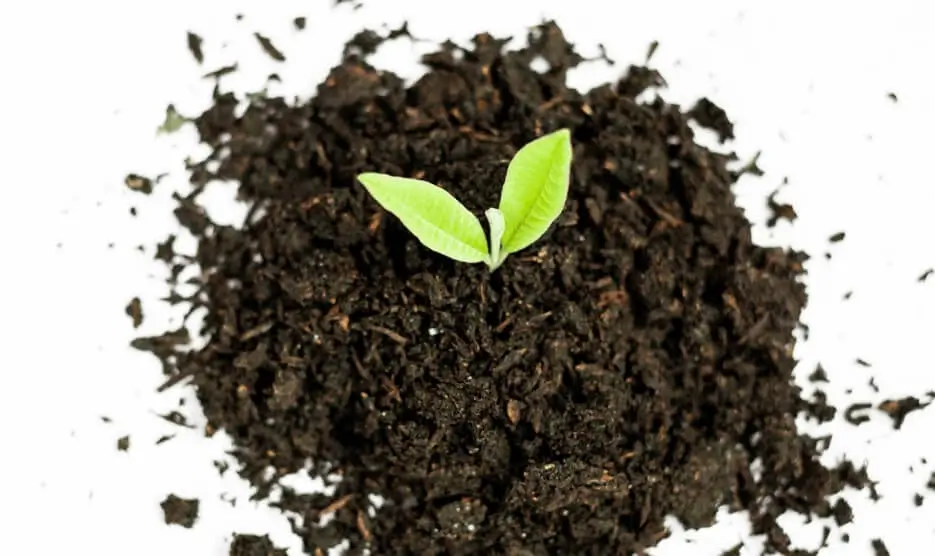
Knowing when to change soil in fruit tree pots is essential for maintaining strong roots, healthy growth, and consistent fruit production. Over time, container soil becomes compacted, depleted of nutrients, and less effective at supporting your tree. In this beginner-friendly guide, you’ll learn the clear signs that it’s time to refresh your potting soil, how often to do it, and simple steps to keep your container fruit trees thriving year-round.
Why Changing Soil Matters for Container Fruit Trees
Container-grown fruit trees rely entirely on the soil you provide. Unlike orchard trees in the ground, potted trees can’t explore new soil for nutrients or better structure, which means soil quality degrades faster in a pot:
- Nutrient depletion — Trees absorb nutrients season after season, and without fresh soil or amendments, the medium becomes nutrient-poor.
- Compaction and poor drainage — Organic potting mixes break down over time, clogging pore spaces. This leads to waterlogging and reduced oxygen at the roots, often contributing to problems like root rot. (growfruitly.com)
- Salt buildup — Fertilizers and hard water can leave mineral deposits that alter soil chemistry, injuring roots.
In healthy container fruit care routines, refreshing or replacing the soil periodically keeps the growing medium light, fertile, and well-drained — the foundation of strong roots and abundant fruit.
How Often Should You Change Soil in Fruit Tree Pots?
There’s no one-size-fits-all number, but here are practical guidelines based on tree age, pot size, and growth.
🌱 Young Trees (1–3 years)
For recently potted young fruit trees, you usually don’t need a full soil change unless the mix has degraded or you see problems like poor drainage or nutrient deficiencies.
Instead:
- Top-dress annually with fresh potting mix and compost to replenish nutrients.
- Monitor soil texture and drainage each spring.
🌳 Established Trees (3+ years)
Most potted fruit trees benefit from a full soil refresh every 18–36 months. Over time:
- The soil structure breaks down,
- Nutrients diminish,
- Root crowding intensifies.
A full soil change every 1.5–3 years keeps growth vigorous and prevents compaction that blocks air and water movement. (growfruitly.com)
⚠️ Signs It’s Time to Change Soil
Don’t wait for a schedule — watch the plant and soil:
- Water stays soggy long after watering.
- Soil smells sour or rotten.
- Tree shows slow growth despite proper light and care.
- Roots circle densely at the drainage holes.
If you spot these, a soil change is overdue.
Best Time to Change Soil in Fruit Tree Pots
For most climates and species, timing matters:
🌼 Early Spring (Best Time)
Changing soil in early spring — just before the active growth season — is ideal because:
- Roots are less disturbed during dormancy.
- Trees quickly re-establish into fresh soil as growth picks up.
- New root tips develop in nutrient-rich media.
🍂 Early Fall (Alternative)
If spring passes and you notice issues, early fall is your second-best option — but avoid heavy root disturbance during summer heat or winter chill.
Regardless of season:
- Avoid repotting in extreme heat or deep winter cold,
- Don’t disturb roots just before flowering or fruit set.
How to Change Soil in Fruit Tree Pots: Step-by-Step
Changing soil needn’t be intimidating — follow these practical steps:
1. Choose the Right Time and Workspace
Work on a mild day and set up a clean area with the tools you need:
- Fresh potting mix (light, high-quality container soil).
- Compost or organic amendments.
- Gloves and a trowel.
2. Gently Remove the Tree
- Water the tree lightly a day before to ease root ball removal.
- Tap the pot sides and ease the tree out.
- Inspect roots; prune circling or dead roots.
3. Refresh or Replace Soil
Option A: Full Soil Replacement
- Remove old soil from the pot.
- Add a fresh mix with good drainage (avoid heavy garden soil).
- Position the tree and backfill.
Option B: Partial Refresh
- Remove the top 2–4 inches of old soil.
- Replace with new soil and blend gently into the existing medium.
This partial refresh works well annually if the soil still drains well.
4. Water Thoroughly
After repotting:
- Water deeply until excess drains.
- Allow the top layer to dry slightly before the next watering — this encourages root growth.
5. Mulch (Optional)
A light mulch layer (pine bark or coconut husk chips) stabilizes moisture and protects soil surface without restricting air flow.
Common Beginner Mistakes to Avoid
❌ Waiting Too Long to Refresh Soil
Many gardeners expect container soil to last for years. Unfortunately, potting mixes degrade and compact, starving roots of air and nutrients. Regular soil checks are essential. (growfruitly.com)
❌ Using Garden Soil in Pots
Garden soil is too heavy for containers — it compacts, drains poorly, and reduces root health. Always use potting mix designed for containers like in the Best Soil Mix for Potted Fruit Trees guide on GrowFruitly. (growfruitly.com)
❌ Repotting at the Wrong Time
Avoid repotting when trees are blooming or fruiting — it stresses the plant and can reduce yield.
❌ Ignoring Root Crowding
Roots that circle the pot restrict growth. When you see this, it’s time to refresh soil and prune roots lightly.
Tools & Soil Tips for Changing Soil Successfully
📌 Choose the Right Soil Mix
Look for mixes labeled for containers that:
- Drain freely
- Hold moisture without waterlogging
- Are lightweight and rich in organic matter
A custom blend with perlite or coco coir improves structure.
🛠 Essential Tools
- Sturdy pots with drainage holes
- Fresh potting mix
- Pruning shears
- Gloves and a trowel
🌞 Aftercare
After soil changes:
- Place pots in bright, indirect light,
- Avoid fertilizing for a few weeks to let roots settle,
- Resume regular watering as soil moisture dictates.
FAQ: Soil Changes in Fruit Tree Pots
How often should I fully replace soil in fruit tree pots?
For most container fruit trees, plan a full replacement every 18–36 months to maintain drainage and nutrients. (growfruitly.com)
Can I just add compost instead of changing soil?
Adding compost or fresh topsoil can help short-term, but compost alone doesn’t improve drainage — it’s best paired with proper potting mix during a full refresh.
Will changing the soil shock the tree?
If done at the right time (early spring) and gently, most trees recover quickly and grow better thanks to improved roots.
Is repotting the same as changing soil?
Repotting often includes changing soil and moving to a bigger pot if roots are bound. Changing soil can be done without increasing pot size if space is sufficient.
Should I change soil on all container fruit trees?
Yes — whether citrus, figs, or apples in pots, you’ll benefit from periodic soil renewal.
Conclusion
Knowing when to change soil in fruit tree pots is a cornerstone of successful container fruit gardening. Fresh, well-draining soil keeps roots healthy, boosts nutrient availability, improves water balance, and supports strong fruiting year after year.
✔ Check soil structure every season.
✔ Refresh topsoil annually and fully replace every 1.5–3 years.
✔ Time your soil changes in early spring for best results.
For more on creating healthy growing conditions, explore GrowFruitly’s Best Soil Mix for Potted Fruit Trees guide and beginner tips on watering and care in containers. (growfruitly.com)
With the right soil changes and consistent care, your container orchard will thrive — even in small spaces! 🍎🌿