
Choosing the right container depth is one of the most important steps in successful container fruit gardening. Different fruit trees have different root systems, and planting them in pots that are too shallow can limit growth, reduce harvests, and stress the plant. This guide explains exactly how deep containers should be for various fruit trees, helping beginners create healthy, productive potted orchards even in small spaces.
Why Container Depth Matters for Fruit Gardening
Container depth isn’t just about giving roots “more space.” It plays a critical role in nearly every aspect of plant health.
Root Development and Stability
Fruit trees rely on strong, deep roots to:
- Anchor the plant against the wind.
- Access water during hot weather
- Store energy for flowering and fruiting
Shallow containers force roots to circle the pot rather than grow downward, which can stunt growth and shorten the plant’s lifespan. This is especially important if you’re growing long-term trees, as explained in our guide on how long fruit trees can live in pots.
Water Retention and Drainage Balance
Deeper containers:
- Hold moisture longer
- Reduce rapid drying in summer.
- Buffer roots from temperature swings
In shallow pots, soil dries out fast, increasing the risk of drought stress—even with frequent watering. If watering consistency is a challenge, you may also benefit from self-watering containers for fruit trees, which pair especially well with deeper pots.
Nutrient Availability
Fruit trees are heavy feeders. Deeper containers allow for:
- More soil volume
- Better nutrient storage
- Healthier microbial activity
This directly impacts flowering, fruit size, and overall yield.
How Deep Should Containers Be? (By Plant Type)
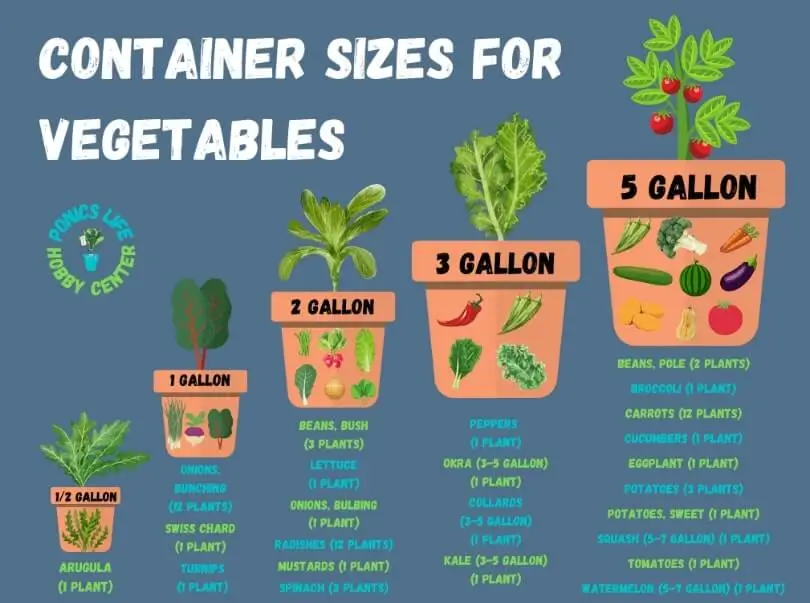
Below are practical depth guidelines you can use immediately.
Dwarf & Semi-Dwarf Fruit Trees
Minimum depth: 18–24 inches (45–60 cm)
Ideal depth for long-term growth: 24–30 inches (60–75 cm)
Ideal depth for long-term growth: 24–30 inches (60–75 cm)
Examples:
- Dwarf apple
- Citrus (lemon, orange, lime)
- Fig
- Peach (dwarf varieties)
These trees may look small above ground, but their roots grow deeper than most beginners expect. If you’re planning a balcony setup, pair depth with smart spacing as discussed in How Many Fruit Trees Can Fit on a Balcony.
Berry Bushes (Blueberries, Raspberries, Blackberries)
Minimum depth: 14–18 inches (35–45 cm)
Ideal depth: 18–24 inches (45–60 cm)
Ideal depth: 18–24 inches (45–60 cm)
Blueberries in particular prefer deep, acidic soil that stays evenly moist. Shallow pots dry out too quickly, leading to poor fruiting.
Grapes & Vining Fruits
Minimum depth: 20–24 inches (50–60 cm)
While vines grow upward, their root systems go deep. A tall container ensures stability and consistent moisture.
Strawberries
Minimum depth: 8–10 inches (20–25 cm)
Strawberries are shallow-rooted, making them ideal for:
- Window boxes
- Hanging baskets
- Shallow troughs
However, deeper containers improve drought resistance and reduce watering frequency.
Herbs & Small Edibles (Companion Plants)
Minimum depth: 6–10 inches (15–25 cm)
Basil, thyme, lettuce, and spinach can thrive in shallow containers, but they should not be grown in the same pot as fruit trees unless the container is deep enough to support both.
Step-by-Step: Choosing the Right Container Depth
Step 1: Decide How Long the Plant Will Stay in the Pot
- Short-term (1 season): Shallower containers may work
- Long-term (multiple years): Always choose deeper than minimum
For long-term success, especially if you’re renting, follow the principles in Container Fruit Gardening for Renters, where container choice is key.
Step 2: Match Depth With Container Width
Depth alone isn’t enough. A good rule:
Depth should be at least equal to the container width.
Tall, narrow pots may look stylish, but can become unstable for fruit trees.
Step 3: Consider Climate
- Hot climates: Deeper containers protect roots from heat
- Cold regions: Extra depth insulates roots in winter
If you garden in extreme temperatures, depth becomes even more critical, as covered in container fruit gardening year-round.
Step 4: Plan for Root Growth
Roots don’t stop growing just because the pot looks full. Always allow extra depth for:
- Root expansion
- Soil settling
- Future repotting delays
Common Mistakes Beginners Make
Choosing Containers Based on Looks Alone
Decorative pots are often too shallow. Always check actual internal depth, not just label size.
Starting Too Small “Just for Now”
Many gardeners plan to upgrade later—but repotting fruit trees is stressful and often delayed. Starting with adequate depth avoids this problem.
Ignoring Drainage at the Bottom
A deep container without drainage holes is worse than a shallow one with good drainage. Roots need oxygen as much as water.
Confusing Root Ball Size With Final Depth
The nursery pot only reflects short-term growth. Fruit trees need room to grow beyond their current root ball.
Soil, Container & Care Tips That Work With Depth
Best Container Materials for Deep Pots
- Fabric grow bags: Excellent drainage, lightweight.
- Plastic: Affordable and moisture-retentive
- Wooden planters: Insulating but require liners
Avoid thin ceramic pots for deep containers—they crack easily and retain cold.
Soil Mix for Deep Containers
Use a well-draining mix:
- High-quality potting soil
- Compost (20–30%)
- Perlite or pumice for aeration
Avoid garden soil—it compacts quickly in deep pots.
Watering Deep Containers Properly
Deep pots need slow, thorough watering to reach the bottom roots. Drip irrigation or watering spikes work well.
For winter care, adjust watering as explained in ‘Watering fruit trees in winter,’ since the deep soil stays wetter longer.
FAQ: How Deep Should Containers Be?
How deep should containers be for fruit trees?
Most fruit trees need at least 18–24 inches of depth, with 24–30 inches being ideal for long-term container growth.
Is a deeper container always better?
Up to a point, yes—but only if drainage is excellent. Extremely deep containers without proper drainage can lead to root rot.
Can fruit trees survive in shallow pots?
Temporarily, yes. Long-term success requires deeper containers to support roots, nutrients, and moisture balance.
How deep should containers be for citrus trees?
Citrus trees perform best in containers at least 24 inches deep, especially in warm climates.
Does container depth affect fruit production?
Absolutely. Deeper containers support healthier roots, which directly improve flowering, fruit set, and yield.
Conclusion: Choose Depth First, Success Follows
When it comes to container fruit gardening, depth is non-negotiable. The right container depth supports healthy roots, consistent watering, better nutrition, and long-term productivity.
If you remember just one rule:
👉 When in doubt, go deeper than you think you need.
👉 When in doubt, go deeper than you think you need.
Start with the correct container depth, pair it with quality soil and proper drainage, and you’ll avoid many of the frustrations beginners face. Once depth is handled correctly, everything else—watering, feeding, pruning—becomes much easier.
Ready to level up your container setup? Review your current pots today and upgrade any that are holding your fruit trees back. Your harvest will thank you. 🌱🍎