
Checking soil moisture correctly is one of the most important skills for successful container fruit gardening. Many beginners either overwater or underwater simply because they rely on guesswork instead of proper techniques. Understanding how to check soil moisture properly ensures your fruit plants get the right amount of water, leading to healthier roots, better growth, and higher yields.
In this beginner-friendly guide, you’ll learn simple and effective ways to check soil moisture in container fruit plants, avoid common mistakes, and maintain the perfect watering balance for thriving plants.
Why Checking Soil Moisture Matters in Container Fruit Gardening
Container fruit gardening is very different from growing in the ground. Pots dry out faster, roots are confined, and one watering mistake can quickly stress the plant.
Containers magnify watering mistakes
In garden soil, excess water can drain away and roots can grow deeper. In containers:
- Water has nowhere to go if drainage is poor
- Roots sit in a limited soil volume
- Temperature changes dry soil unevenly
This makes accurate moisture checking essential, especially for fruit trees grown in pots.
Healthy roots = better fruit
Consistently moist (not soggy) soil:
- Encourages strong root growth
- Improves nutrient uptake
- Reduces blossom drop and fruit loss
- Prevents root rot and fungal disease
If you’re also learning general watering strategies, this guide pairs well with our complete container fruit tree watering guide on GrowFruitly, which explains how often to water based on season and plant size.
How to Check Soil Moisture Properly (Core Methods)
This section covers the most reliable, beginner-friendly techniques—from no-tool methods to simple devices.
Method 1: The Finger Test (Simple & Surprisingly Accurate)
The finger test is the easiest way to check soil moisture properly, and it works extremely well when done correctly.
How to do it step by step
- Push your finger straight down into the soil
- Go 2–3 inches deep (up to the second knuckle)
- Feel the soil texture and temperature
How to read the results
- Dry and dusty → Time to water
- Slightly cool and moist → Perfect, don’t water yet
- Wet or muddy → Do not water
Pro tip for containers
Always check near the root zone, not just the surface. Container soil can look dry on top while staying wet underneath—one of the main causes of root rot.
Method 2: Wooden Stick or Chopstick Test
This method works especially well for deeper pots and fruit trees.
How it works
- Insert a wooden skewer or chopstick all the way to the bottom
- Leave it for 10–15 seconds
- Pull it out and inspect it
What to look for
- Dry and clean → Soil is dry
- Darkened with damp soil stuck to it → Soil still moist
This is one of the most accurate ways to understand moisture deeper in the pot, where most fruit tree roots actually live.
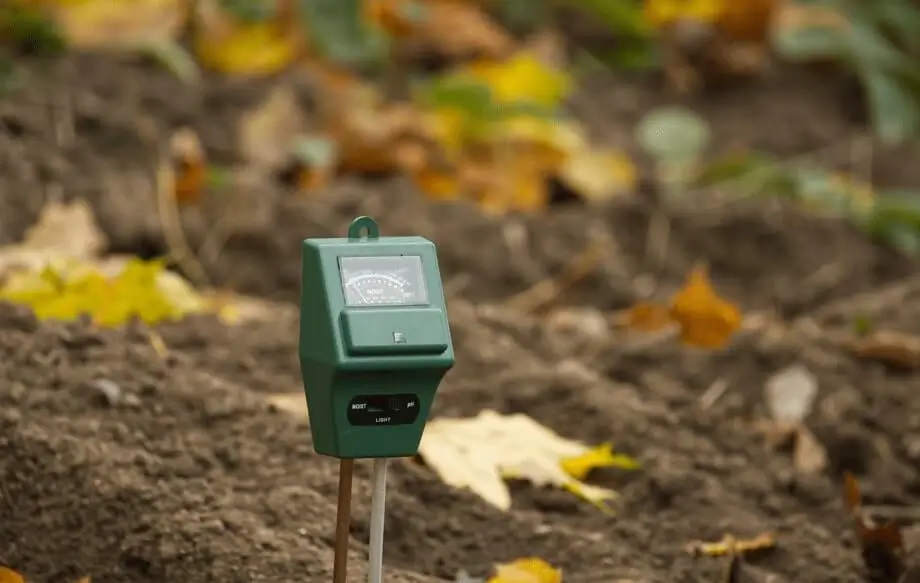
Method 3: Moisture Meters (Useful but Often Misused)
Soil moisture meters can be helpful—but only if you know their limits.
When moisture meters help
- Beginners who want a quick reference
- Large containers where finger tests are difficult
- Consistency checks over time
Common meter mistakes
- Trusting a single reading
- Testing only near the surface
- Using them in very dry or very organic soil
Best practice
Use moisture meters as a secondary confirmation, not your only method. Combine readings with the finger or stick test for best results.
Method 4: Lift-the-Pot Test (Instant Feedback)
This method is fast and effective once you get familiar with your containers.
How to do it
- Lift the pot after watering and feel the weight
- Lift it again when the plant needs water
What you’ll notice
- Heavy pot = moist soil
- Light pot = dry soil
This technique works best for small to medium containers and becomes very intuitive over time.
How Deep Should You Check Soil Moisture?
Checking only the surface is one of the biggest beginner mistakes.
Ideal depth by container size
- Small pots (under 10 inches): 2 inches
- Medium pots (10–16 inches): 3–4 inches
- Large containers / fruit trees: 4–6 inches
For fruit trees, shallow moisture is misleading. Deep roots matter more than surface dryness.
Common Mistakes Beginners Make When Checking Soil Moisture
Even when gardeners try to do the right thing, these mistakes can sabotage healthy growth.
1. Watering on a schedule instead of checking soil
Plants don’t follow calendars. Weather, container size, and plant growth stage all affect water needs. This is especially important during hot months—our guide on watering container fruit trees in summer heat explains how quickly pots can dry out.
2. Trusting dry surface soil
Dry topsoil does not mean the root zone is dry. This mistake leads directly to overwatering and root problems.
3. Ignoring drainage holes
If water doesn’t drain freely:
- Soil stays wet too long
- Roots suffocate
- Fungal diseases develop
If you’re unsure whether your plant is suffering from too much or too little water, compare symptoms in our guides on signs of underwatered fruit plants and common overwatering symptoms in potted trees.
4. Using the wrong potting mix
Heavy, compacted soil holds water too long. Quality container mixes drain better and make moisture checking easier and more reliable.
Soil, Containers, and Tools That Make Moisture Checking Easier
Best soil mix for moisture balance
A good container fruit mix should:
- Drain quickly
- Hold moisture evenly
- Stay airy around roots
Many growers improve mixes using perlite or vermiculite. If you’re unsure which to use, our perlite vs vermiculite comparison for container gardening breaks it down clearly.
Container material matters
- Plastic pots: Hold moisture longer
- Terracotta: Dry out faster
- Fabric pots: Excellent drainage but need frequent checks
Choose containers based on your climate and how often you can check soil moisture.
Mulching containers
Adding organic mulch:
- Reduces evaporation
- Keeps soil temperature stable
- Makes moisture levels more consistent
Mulch also reduces how often you need to check soil moisture—especially useful in summer.
How Often Should You Check Soil Moisture?
Checking doesn’t mean watering every time.
General guidelines
- Warm weather: Check daily
- Cool weather: Every 2–4 days
- Newly planted trees: Check more often
- Dormant season: Check sparingly
Seasonal adjustments matter. Winter containers often need far less water than expected—overwatering is more common than drought in cold months.
FAQ: Soil Moisture Questions Beginners Ask
How do I know if soil is too wet or just moist?
Moist soil feels cool and crumbly. Wet soil feels heavy, sticky, and may smell sour. If water squeezes out when pressed, it’s too wet.
Can I rely only on a moisture meter?
No. Meters are best used as a supplement. Always confirm with a finger or stick test, especially for fruit trees.
Why does my soil stay wet for days?
Possible reasons include poor drainage, compacted soil, oversized pots, or low temperatures slowing evaporation.
Should I check soil moisture before or after watering?
Always check before watering. Watering first removes your ability to judge true soil moisture levels.
Is it possible to underwater even if I water often?
Yes. Shallow, frequent watering can leave deeper roots dry. Always ensure water reaches the full root zone.
Conclusion: Master Soil Moisture, Master Watering
Learning how to check soil moisture properly is a simple skill that transforms your success with container fruit plants. By using hands-on methods like the finger test, chopstick test, and pot weight comparison, you remove guesswork and respond to what your plant actually needs.
Start checking soil moisture before every watering, adjust for season and container size, and improve your soil and drainage where needed. With consistent observation, you’ll prevent root problems, encourage healthier growth, and enjoy stronger harvests from your container fruit garden.