
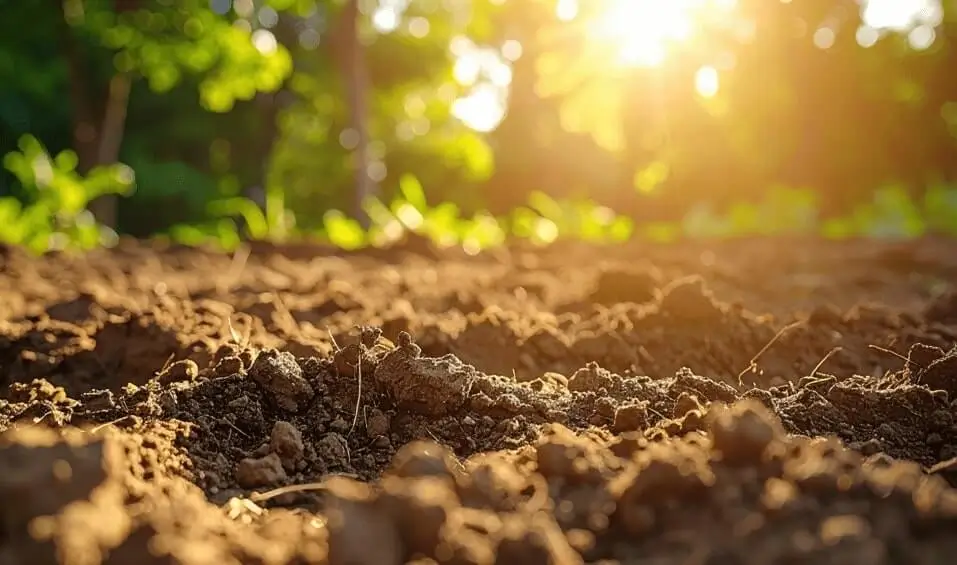
Container fruit gardening offers flexibility, better pest control, and the ability to grow delicious fruits even in limited spaces. However, one common problem many gardeners face is soil compaction. Over time, potting soil becomes dense and compressed, reducing airflow, water drainage, and root growth. Compacted soil can weaken fruit plants, reduce harvests, and increase the risk of root diseases.
Learning how to prevent soil compaction in containers is essential for maintaining healthy roots, vigorous growth, and productive fruit plants. With the right soil mix, watering habits, and container care, you can keep your potting soil loose, aerated, and ideal for long-term fruit production.
Why Preventing Soil Compaction Matters for Container Fruit Gardening
In containers, soil compaction occurs more quickly and causes greater damage than in garden beds. That’s because roots are confined to a limited space, and any loss of air pockets immediately affects the entire root zone.
What soil compaction does to fruit plants
When soil becomes compacted, several critical problems occur at once:
- Reduced oxygen for roots, leading to root suffocation
- Poor drainage, causing water to pool and rot roots
- Nutrient lockout, even when fertilizer is present
- Stunted root growth, limiting fruit production
Fruit plants are especially sensitive because they require both strong root systems and a consistent moisture balance to support flowering and fruiting.
Why are containers more vulnerable than garden soil?
In pots, compaction builds up due to:
- Repeated watering from the top
- Breakdown of organic matter over time
- Using heavy garden soil instead of potting mix
- Pressing soil down too firmly when planting
If you’re growing citrus, figs, berries, or dwarf fruit trees, preventing compaction is essential for long-term success.
What Causes Soil Compaction in Containers?
Understanding the causes helps you prevent the problem before it starts.
1. Using the wrong soil mix
Garden soil or cheap, peat-heavy mixes compress quickly in containers. Over time, particles collapse into a dense mass with little airflow.
If you’re unsure what type of soil works best, see this guide on the best soil for fruit trees in pots, which explains ideal textures and ingredients.
2. Overwatering without proper drainage
Waterlogged soil pushes air out of the root zone. Without proper drainage, every watering increases compaction.
This is closely connected to drainage issues, as explained in the section on improving drainage in pots, especially for fruit plants.
3. Soil breakdown over time
Even high-quality potting mixes degrade after one growing season. Fine particles accumulate, reducing pore space and airflow.
4. Root congestion and circling
As roots grow and wrap around the container, they compress the soil internally, making aeration harder each season.
Step-by-Step: How to Prevent Soil Compaction in Containers
Step 1: Start with a light, well-aerated potting mix
Never use garden soil in containers. A good fruit-friendly potting mix should include:
- Pine bark fines or composted bark
- Coco coir or peat moss (balanced, not excessive)
- Aeration materials like perlite or pumice
If you want to better understand aeration ingredients, this comparison of perlite vs. vermiculite for containers explains which option works best for fruit plants.
Step 2: Add structural aeration materials
To actively prevent compaction, amend your mix with:
- Perlite (20–30%) – improves drainage and air pockets.
- Pumice or lava rock – long-lasting structure
- Coarse bark – resists breakdown.
Avoid fine sand — it worsens compaction in containers.
Step 3: Choose containers with proper drainage design
Good containers are just as important as soil:
- Always use pots with multiple drainage holes.
- Avoid decorative cache pots without drainage.
- Use breathable materials, such as fabric pots or unglazed terracotta, when possible.
Oversized containers also help reduce root congestion and soil compression.
Step 4: Plant without pressing the soil down
A common beginner mistake is packing soil tightly around roots. Instead:
- Gently fill around the root ball.
- Lightly tap the container to settle soil naturally.
- Let watering do the final settling.
Roots need air, not pressure.
Step 5: Water correctly to protect soil structure
To prevent compaction from watering:
- Water slowly and deeply
- Avoid blasting soil with high-pressure hoses.
- Let excess water drain completely.
Consistent, controlled watering preserves soil pore space.
Step 6: Refresh and loosen the soil each season
At least once per year:
- Gently loosen the top 5–8 cm of soil.
- Remove compacted surface layers.
- Mix in fresh compost and aeration material.
If you reuse soil, follow this guide on how to refresh old potting soil safely.
Common Mistakes Beginners Make (and How to Avoid Them)
Mistake 1: Reusing old soil without conditioning
Old soil is often compacted and nutrient-depleted. If reused without aeration, it worsens root problems. Learn when it’s safe to reuse potting soil.
Mistake 2: Using too much compost
While compost is beneficial, too much fine organic matter increases compaction as it decomposes.
Mistake 3: Choosing containers that are too small
Small pots fill with roots quickly, compressing soil and restricting airflow.
Mistake 4: Ignoring early warning signs
Symptoms of compacted soil include:
- Water sitting on the surface
- Leaves are yellowing despite feeding.
- Slow or stalled growth
- Sour-smelling soil
Act early to prevent permanent root damage.
Tools, Soil Additives, and Care Tips That Help Prevent Compaction
Best soil additives for long-term structure
- Perlite or pumice
- Pine bark fines
- Biochar (in moderation)
Helpful tools
- Hand cultivator for surface aeration
- Moisture meter to avoid overwatering
- Fabric grow bags for natural aeration.
Ongoing care habits
- Rotate containers to prevent uneven compaction.
- Mulch lightly with bark or straw (not thick compost layers)
- Repot fruit trees every 2–3 years
FAQ: Preventing Soil Compaction in Containers
What is soil compaction in container plants?
Soil compaction occurs when soil particles press tightly together, reducing air space and restricting root growth and drainage.
How can I tell if my container soil is compacted?
Signs include poor drainage, hard soil surface, slow growth, yellow leaves, and roots circling tightly inside the pot.
Does watering cause soil compaction?
Yes, especially when overwatering or watering too forcefully. Slow, deep watering helps preserve soil structure.
Can compacted soil be fixed without repotting?
Minor compaction can be improved with surface aeration and the addition of lightweight amendments, but severe cases usually require repotting.
Is perlite enough to prevent soil compaction?
Perlite helps significantly, but it works best when combined with bark-based mixes and proper watering habits.
Conclusion: Keep Your Container Soil Light, Alive, and Productive
Learning how to prevent soil compaction is one of the most important skills for successful container fruit gardening. By choosing the right potting mix, adding long-lasting aeration materials, watering correctly, and refreshing soil regularly, you create an environment where roots can breathe, grow, and support abundant harvests. Healthy soil structure leads directly to healthier plants, stronger fruiting, and fewer problems down the road. Start with better soil today, and your container fruit plants will reward you for years to come.