
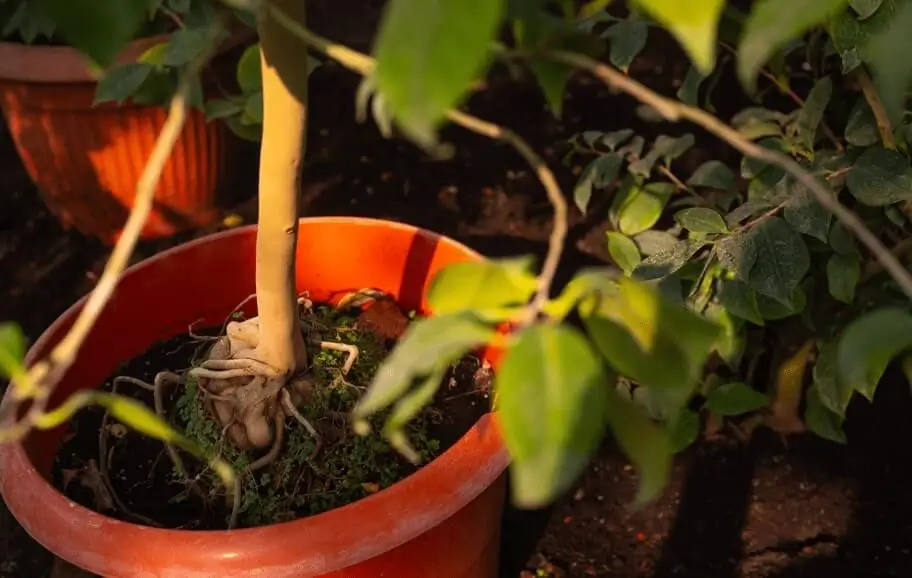
Sustainable container fruit gardening is a smart way to grow fresh fruit while reducing waste, saving water, and making better use of small spaces. Whether you garden on a balcony, terrace, patio, or backyard, sustainable methods help you grow healthier plants with fewer resources. In this guide, you’ll learn practical eco-friendly techniques that improve soil health, reduce plastic waste, recycle materials, conserve water, and create a productive container fruit garden that supports long-term growth and bigger harvests.
Why Sustainable Container Fruit Gardening Matters
Sustainability isn’t just an environmental trend—it directly improves plant health, yields, and long-term success in containers.
Containers Are Artificial Ecosystems
Unlike in-ground gardens, container fruit plants rely entirely on you for:
- Water
- Nutrients
- Soil structure
- Root space
Unsustainable practices (overwatering, synthetic fertilizers, poor drainage) quickly lead to root rot, nutrient lockout, and weak growth.
Environmental Impact Adds Up
Common container gardening habits can create hidden problems:
- Plastic pots are cracking and ending up in landfills.
- Peat-based composts are destroying peatlands.
- Excess fertilizer washing into drains
- Daily watering wastes potable water
Sustainable container fruit gardening reduces these issues while making your garden more resilient and productive.
Better for Beginners (and Budgets)
Sustainable systems:
- Require fewer inputs over time.
- Reduce plant loss and replacement costs.
- Create forgiving growing conditions.
If you’re new to container fruit gardening, sustainability actually makes things easier—not harder.
Core Principles of Sustainable Container Fruit Gardening
Before diving into step-by-step methods, it’s important to understand the foundations.
Think Long-Term, Not One Season
Sustainable gardening focuses on:
- Reusable containers
- Soil that improves over time
- Perennial fruit plants
- Slow, steady nutrient release
This approach aligns perfectly with container fruit trees, berries, and vines.
Work With Nature, Not Against It
Instead of forcing fast growth with chemicals, sustainable gardening:
- Feeds soil microbes
- Encourages deep, healthy roots
- Matches plants to light and climate.
This reduces stress and pest problems naturally.
Step-by-Step Guide to Sustainable Container Fruit Gardening
1. Choose Eco-Friendly Containers That Last
Your container choice affects roots, water use, and waste.
Best sustainable container options:
- Fabric grow bags (breathable, lightweight, recyclable)
- Terracotta or clay pots (long-lasting, natural materials)
- Upcycled containers (food-grade buckets, wooden boxes)
Avoid thin plastic pots that crack within a season. If you already have plastic containers, reuse them as long as possible—that’s still sustainable.
👉 For help choosing the right pot type and size, see our guide on choosing the right container material for fruit trees.
2. Use Peat-Free, Living Soil Mixes
Soil is the heart of sustainable container fruit gardening.
An ideal sustainable soil mix includes:
- Peat-free compost or coir-based compost
- Aged bark fines or leaf mould
- Perlite or pumice for drainage
- Worm castings for biology
Avoid cheap, lifeless potting mixes that compact quickly and require constant replacement.
If you want a detailed breakdown, read the article “Best Soil for Fruit Trees in Containers” to build a mix that lasts for years.
3. Feed Slowly and Naturally
Synthetic fertilizers cause:
- Nutrient runoff
- Salt buildup
- Weak, fast growth
Sustainable feeding focuses on slow-release nutrition.
Best sustainable feeding methods:
- Organic granular fruit fertilizer
- Compost top-dressing
- Liquid seaweed or fish emulsion (low-dose)
- Worm tea or compost tea
Feed less often but more consistently. Your plants will grow stronger, not just faster.
Learn the exact timing and amounts for feeding potted fruit trees, step by step.
4. Water Efficiently (and Intelligently)
Water waste is one of the biggest issues in container gardening.
Sustainable watering tips:
- Water deeply, not daily
- Use saucers to catch excess water.
- Mulch the soil surface.
- Water early morning or evening
Self-watering systems dramatically reduce waste. If you struggle with watering schedules, explore self-watering containers for fruit trees to maintain consistent moisture with less effort.
5. Grow the Right Fruit for Your Space
Sustainability improves when plants are well-matched to conditions.
Best fruit for sustainable container growing:
- Dwarf citrus
- Figs
- Strawberries
- Blueberries
- Dwarf apples or pears
- Figs and pomegranates (low water needs)
Avoid vigorous full-size trees that outgrow containers quickly.
If you garden in tight spaces, our article on fruit gardening in limited space shows how to maximize yield with minimal resources.
6. Reuse, Repair, and Refresh Each Season
Instead of starting over every year:
- Refresh the soil with compost.
- Prune instead of replacing plants.
- Rotate containers for even light.
- Repair pots when possible
Sustainable container fruit gardening is about building systems, not repeating mistakes.
Common Beginner Mistakes (and How to Avoid Them)
Overwatering in the Name of “Care”
Too much water suffocates roots and wastes resources. Always check moisture below the surface.
Using the Wrong Container Size
Containers that are too small dry out faster and stress plants. Learn proper sizing from how deep containers should be for fruit trees.
Chasing Fast Growth
Excess fertilizer leads to weak growth, which attracts pests and diseases. Slow growth is healthier growth.
Ignoring Seasonal Needs
Fruit trees need dormancy, reduced winter watering, and adjusted feeding. Sustainability changes with seasons.
Tools and Supplies That Support Sustainability
You don’t need expensive gear—just smart choices.
High-impact sustainable tools:
- Fabric grow bags
- Organic slow-release fertilizer
- Mulch (straw, bark, wood chips)
- Watering can with a narrow spout.
- Rainwater barrel (if allowed)
Quality tools last longer and reduce waste over time.
FAQ: Sustainable Container Fruit Gardening
Can container fruit gardening really be sustainable?
Yes. With reusable containers, peat-free soil, organic feeding, and efficient watering, container systems can be extremely sustainable.
Is organic fertilizer enough for fruit trees in pots?
Absolutely. Slow-release organic fertilizers combined with compost provide everything fruit trees need.
How often should I replace container soil?
Never fully replace it. Refresh annually with compost and organic matter to maintain soil life.
Do sustainable methods reduce fruit yield?
No—done correctly, they improve long-term productivity and plant health.
Are self-watering containers sustainable?
Yes, especially in hot climates. They reduce water waste and plant stress.
What’s the most sustainable fruit for containers?
Figs, citrus, strawberries, and dwarf apples are among the most efficient and forgiving choices.
Conclusion: Build a Greener, More Productive Container Fruit Garden
Sustainable container fruit gardening isn’t about doing less—it’s about doing things smarter. By choosing durable containers, building living soil, feeding naturally, and watering efficiently, you create a system that rewards you year after year with healthier plants and better harvests.
Start small:
- Upgrade one container
- Switch to peat-free compost.
- Reduce watering frequency
Over time, these simple changes transform your garden into a productive, low-waste, eco-friendly fruit system—perfect for beginners and small-space growers alike.
Your containers don’t just hold plants—they hold the future of your garden. 🌱🍎