

Orange tree flower drop is one of the most common problems gardeners face when growing citrus trees in pots or backyard orchards. While some blossom drop is natural, excessive flower loss can prevent your orange tree from producing healthy fruit. Issues like inconsistent watering, temperature stress, poor pollination, nutrient imbalance, or container problems can all cause orange blossoms to fall before fruit develops. Understanding the real causes behind orange tree flower drop helps you protect blooms, improve fruit set, and encourage stronger harvests season after season.
Why Orange Tree Flower Drop Matters in Container Gardening
Container-grown orange trees live in a more controlled—but also more fragile—environment than in-ground trees. While pots make citrus possible in small spaces, they also amplify stress factors that lead to flower drop.
Here’s why this issue is especially important for potted orange trees:
- Limited root space means moisture and nutrients run out faster.
- Rapid temperature swings on balconies and patios shock flowers.
- Watering mistakes happen more easily in containers.
- Nutrient imbalances appear more quickly in potting soil.
Flower drop directly affects your harvest. Fewer flowers staying on the tree means fewer oranges later. Learning to manage these stresses is the key difference between a leafy tree and a productive one.
If you’re new to citrus in pots, understanding the basics of growing orange trees in containers will help you avoid many of these problems before they start.
The Main Orange Tree Flower Drop Causes (Explained Simply)
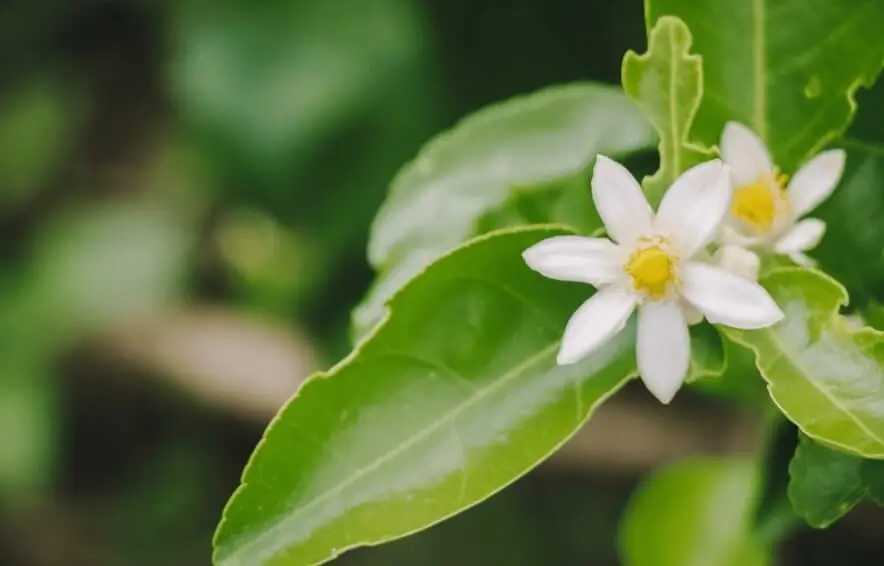
1. Natural Flower Drop (Normal and Harmless)
First, a quick reality check: some flower drop is normal.
Orange trees often produce far more flowers than they can support. The tree naturally sheds excess blossoms so it can focus energy on developing a manageable number of fruits.
How to tell if it’s normal:
- The tree looks healthy and green.
- Only some flowers fall, not all.
- No leaf yellowing or branch dieback
If most flowers drop, however, stress is usually involved.
2. Inconsistent Watering (The #1 Cause in Pots)
Irregular watering is the most common cause of orange tree flower drop in containers.
- Underwatering dries the root zone, signalling the tree to drop flowers.
- Overwatering suffocates roots, reducing oxygen and nutrient uptake.
Both situations cause stress exactly when the tree needs stability.
Fix it:
- Water deeply until the excess drains out
- Allow the top 2–3 inches of soil to dry before watering again.
- Never let pots sit in standing water.
For a seasonal approach, follow a proper watering schedule for potted fruit trees to stabilize moisture during flowering.
3. Temperature Stress During Bloom
Orange tree flowers are extremely sensitive to temperature swings.
Problem temperatures:
- Below 55°F (13°C) at night
- Above 85°F (29°C) during the day
- Sudden changes from moving pots too often
Cold nights or heat waves during bloom often result in mass flower drop.
Fix it:
- Move containers to a sheltered location during cold snaps.
- Avoid placing pots against hot walls.
- Provide light shade during heat waves.
4. Lack of Pollination (Especially Indoors)
Even though wide orange varieties are self-fertile, pollination still matters.
Indoor or balcony-grown trees may lack:
- Bees and natural pollinators
- Air movement to transfer pollen
Fix it:
- Gently shake branches during bloom.
- Use a soft paintbrush to hand-pollinate flowers.
- Place trees outdoors during flowering when possible.
5. Nutrient Imbalance or Wrong Fertilizer
Flowering and fruit set demand high energy. If nutrients are out of balance, flowers are the first to go.
Common mistakes:
- Too much nitrogen → leafy growth, fewer flowers
- Lack of potassium or phosphorus → poor flower retention
Fix it:
- Use a citrus-specific fertilizer.
- Feed lightly but regularly during the spring.
- Avoid heavy fertilizing during full bloom.
Choosing the best organic fertilizer for potted fruit trees can dramatically improve flower retention without burning roots.
6. Root Stress and Pot Size Issues
A rootbound orange tree struggles to support flowers.
Signs of root stress:
- Water runs straight through the pot.
- Roots circling the surface
- Slowed growth despite good care
Fix it:
- Repot every 2–3 years.
- Choose a container with drainage holes.
- Increase pot size gradually.
Selecting the best pot size for citrus trees helps stabilize roots and reduce long-term flower drop.
7. Low Humidity and Dry Air
Dry air—especially indoors—can cause flowers to dry out and fall.
Fix it:
- Mist lightly during bloom
- Place the pot near other plants.
- Use a humidity tray indoors.
Step-by-Step Solutions to Prevent Orange Tree Flower Drop
Step 1: Stabilize Watering
- Water deeply and consistently
- Check soil moisture before watering.
- Adjust frequency with weather changes.
Step 2: Feed Correctly (Not Excessively)
- Apply citrus fertilizer in early spring.
- Reduce feeding once flowers open.
- Resume light feeding after fruit sets.
Step 3: Control Temperature Exposure
- Protect from cold nights.
- Provide shade during extreme heat.
- Avoid frequent relocation
Step 4: Improve Pollination
- Hand-pollinate if needed
- Encourage airflow
- Allow outdoor exposure during bloom.
Step 5: Upgrade Soil and Drainage
- Use a well-draining potting mix.
- Never use garden soil in containers.
- Refresh the soil every repotting cycle.
If you’re unsure about soil quality, learning how to make a homemade soil mix for fruit trees gives you full control over drainage and nutrition.
Common Beginner Mistakes That Cause Flower Drop
Many gardeners unknowingly sabotage their orange trees during bloom.
Avoid these mistakes:
- Watering lightly but too often
- Fertilizing heavily during flowering
- Keeping trees indoors with no airflow
- Ignoring nighttime temperatures
- Using pots without drainage holes
Correcting just one or two of these habits often solves the problem completely.
Tools, Containers, and Care Tips That Help Flowers Stay
- Moisture meter for accurate watering
- Terracotta or breathable pots for airflow
- Citrus fertilizer with micronutrients
- Mulch layer to stabilize moisture
- Lightweight plant covers for cold nights.
Small upgrades in tools and containers can dramatically reduce stress during bloom.
FAQ: Orange Tree Flower Drop Causes
Why does my orange tree flower but not produce fruit?
This usually occurs due to stress, insufficient pollination, or a nutrient imbalance. Some flower drop is normal, but heavy drop signals a care issue.
Is it normal for orange tree flowers to fall off?
Yes, partial flower drop is normal. However, if most flowers fall, environmental stress is likely the cause.
Can overwatering cause orange tree flower drop?
Absolutely. Overwatering suffocates roots and is one of the most common causes in container-grown trees.
Should I fertilize my orange tree while it’s flowering?
Light feeding before bloom is best. Avoid heavy fertilization during flowering, especially high-nitrogen formulas.
Does moving my orange tree cause flowers to fall?
Yes. Sudden changes in light, temperature, or airflow often trigger flower drop.
Conclusion: Turn Falling Flowers into Future Fruit
Orange tree flower drop is frustrating—but it’s also fixable. In most cases, the cause comes down to watering consistency, temperature stress, nutrition, or root health, especially in containers. By stabilizing your care routine during bloom and avoiding common beginner mistakes, you give your tree the best chance to hold onto flowers and set fruit. Start with small adjustments, observe how your tree responds, and refine your approach each season. With the right care, those fragile blossoms won’t fall—they’ll grow into the oranges you’ve been waiting for. 🍊