
Growing fruit trees in containers is a smart solution for gardeners with limited space, balconies, patios, or urban homes. However, many people wonder how long fruit trees can actually survive and stay productive in pots. While container-grown trees usually have shorter lifespans than those planted in the ground, proper care, pruning, watering, and repotting can help them thrive for many years. Understanding the factors that affect their longevity is essential for maintaining healthy, productive trees in small-space gardens.
Why Fruit Tree Lifespan Matters in Container Gardening
Growing fruit trees in containers is a long-term investment, not a seasonal project. Unlike vegetables, fruit trees take years to mature and reward patient gardeners with consistent harvests.
- Produce fruit reliably for 10–30+ years.
- Stay compact and manageable in small spaces.
- Be moved to protect it from frost, heat, or storms.
However, limited root space, watering errors, and nutrient depletion can shorten lifespan if left unchecked. Many gardeners give up too soon, assuming pots are the problem—when in reality, it’s the care approach.
If you’re new to container growing, understanding the fundamentals of growing fruit in containers vs. ground planting will help you appreciate both the limits and the advantages of container gardening.
How Long Do Fruit Trees Live in Pots on Average?
The lifespan of fruit trees in containers varies by tree type, rootstock, and the quality of care.
Average Lifespan by Fruit Type
- Citrus trees (lemon, orange, lime): 20–30 years
- Apple & pear trees (dwarf/semi-dwarf): 15–25 years
- Stone fruits (peach, plum, apricot): 10–20 years
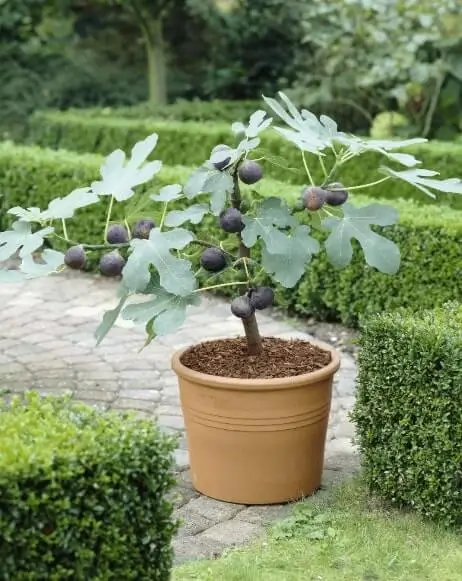
- Fig trees: 20–40 years
- Berry bushes (blueberry, raspberry): 8–15 years
Dwarf varieties generally live shorter lives than full-size trees, but they are far easier to manage in containers and often produce fruit earlier.
What Limits the Lifespan of Fruit Trees in Pots?
Container fruit trees don’t die because they’re in pots—they decline because of avoidable stress factors.
Root Restriction
Roots naturally want to spread. When confined too long:
- Growth slows
- Nutrient uptake declines
- Fruit size and yield drop
Without repotting or root pruning, trees can become root-bound within 3–5 years.
Soil Depletion
Potting soil loses structure and nutrients over time. Old soil:
- Drains poorly
- Compacts around roots
- Becomes biologically inactive
Water Stress
Pots dry out faster than the ground soil. Inconsistent watering leads to:
- Root dieback
- Flower and fruit drop
- Reduced lifespan
If you’ve noticed issues, reviewing proper watering schedules for potted fruit plants can prevent long-term damage.
Step-by-Step: How to Extend the Life of Fruit Trees in Pots
1. Choose the Right Tree From the Start
Longevity begins at planting.
- Select dwarf or semi-dwarf rootstocks.
- Avoid standard-size fruit trees in containers.
- Choose disease-resistant varieties when possible.
Starting with the right tree prevents years of struggle later.
2. Use Large, Long-Term Containers
Small pots are the fastest way to shorten a tree’s life.
Recommended minimum sizes:
- Young trees: 10–15 gallons
- Mature dwarf trees: 20–30+ gallons
Containers should have:
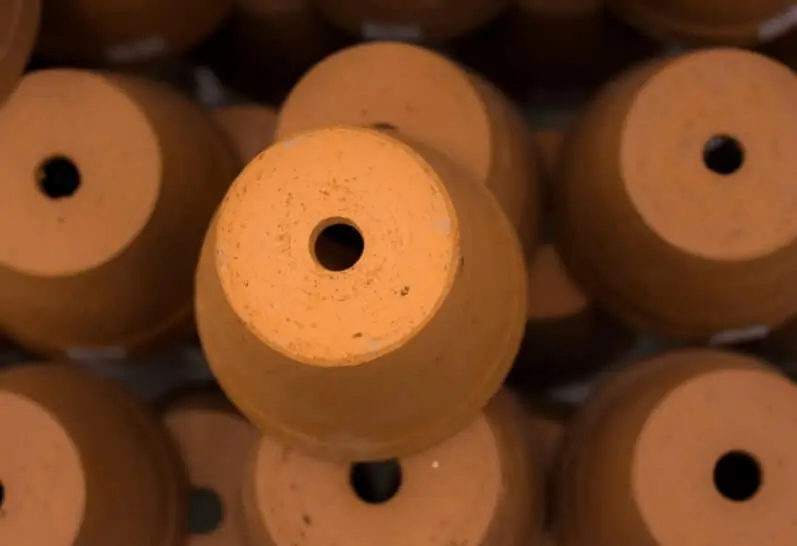
- Multiple drainage holes
- Durable material (fabric, resin, or thick plastic)
Upgrading to the best containers for balcony fruit trees early can add years to your tree’s lifespan.
3. Refresh Soil and Roots Every 2–4 Years
Long-lived container trees need periodic renewal.
- Remove the tree from its pot.
- Trim 10–20% of outer roots
- Replace old soil with a fresh, well-draining mix.
- Replant in the same or slightly larger container
This process prevents root binding and nutrient starvation. A detailed guide to repotting fruit trees correctly can help you avoid transplant shock.
4. Feed Consistently (But Gently)
Fruit trees in pots rely entirely on you for nutrients.
- Use slow-release organic fertilizers.
- Supplement with compost or worm castings
- Avoid overfeeding nitrogen, as this can cause weak growth.
Balanced nutrition supports steady growth and long-term health.
5. Prune to Match Container Size
Unpruned trees outgrow their pots faster.
- Prune annually to maintain shape.
- Remove weak or crossing branches.
- Keep the canopy proportional to the root space.
This reduces stress and helps the tree live longer while remaining productive.
Common Mistakes That Shorten Tree Lifespan
Many container fruit trees fail early due to simple mistakes.
Using Pots That Are Too Small
Small containers restrict roots quickly and cause decline within a few years.
Poor Drainage
Waterlogged soil suffocates roots. If your tree struggles, revisit drainage tips for container fruit trees.
Skipping Repotting
Even healthy-looking trees need root space refreshed periodically.
Inconsistent Watering
Cycles of drought and flooding stress roots and reduce lifespan.
Avoiding these errors alone can double the productive life of your tree.
Climate, Mobility, and Longevity
One major advantage of pots is mobility.
- Move trees indoors during frost.
- Shift to shade during extreme heat.
- Protect from strong winds.
This flexibility allows fruit trees in containers to outlive ground-planted trees in harsh climates, especially in regions with cold winters or intense summers.
FAQ: Fruit Trees in Pots
How long do fruit trees live in pots compared to the ground?
In pots, most fruit trees live 10–30 years. In the ground, some can exceed 50 years. With excellent care, container trees can approach the longevity of ground-grown trees.
Do fruit trees stop producing after a few years in pots?
No. Production declines only if roots become restricted or nutrients are depleted. Proper care keeps trees productive for decades.
Can I keep the same fruit tree in one pot forever?
Yes, if you periodically root-prune and refresh the soil. Many long-lived bonsai fruit trees prove this is possible.
Which fruit trees live the longest in containers?
Figs, citrus, olives, and apples on dwarf rootstocks tend to live the longest in pots.
When should I replace a container fruit tree?
Only when disease, severe root damage, or long-term neglect has caused irreversible decline—not simply because it’s old.
Conclusion: How Long Can Fruit Trees Really Live in Pots?
So, how long do fruit trees live in pots? With proper care, many thrive for 20 years or more—and some for several decades. Container growing doesn’t limit lifespan by default; neglect does.
To maximize longevity:
- Start with the right tree and container.
- Refresh roots and soil regularly.
- Maintain consistent watering and feeding.
- Prune to balance growth.
If you treat your container fruit trees as long-term companions rather than temporary plants, they’ll reward you with healthy growth and reliable harvests for many years to come.