
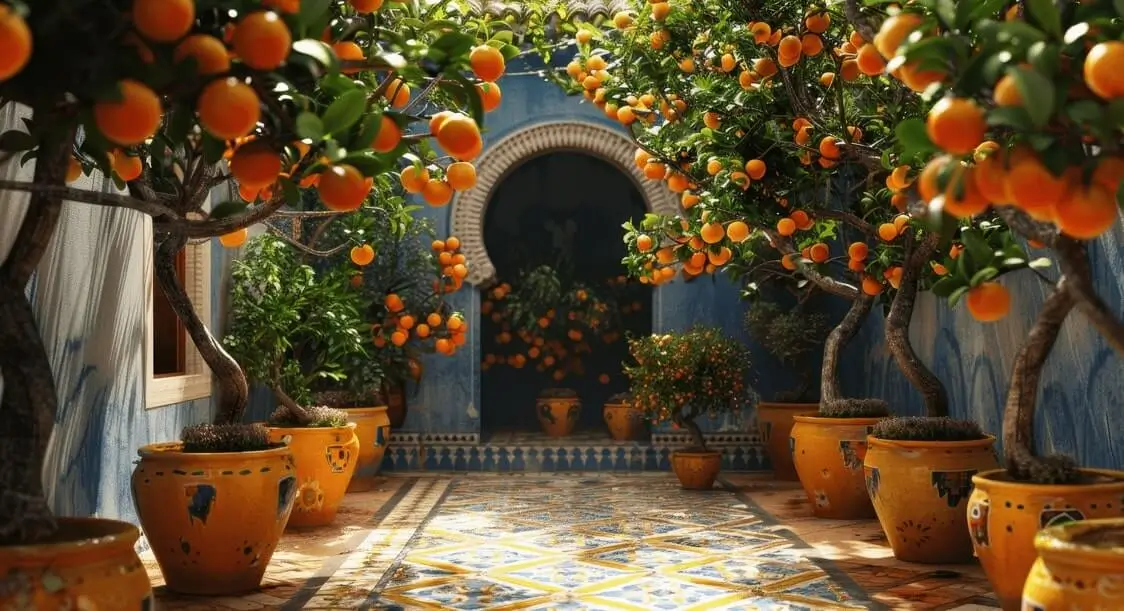
Choosing the best container for orange trees is one of the most important steps for growing healthy, productive citrus in pots. The right pot size, material, and drainage system can directly affect root health, fruit production, moisture balance, and overall tree growth. Whether you grow dwarf orange trees on a balcony, patio, or small backyard, selecting the perfect container helps prevent common problems like root rot, stunted growth, yellow leaves, and poor fruiting. In this guide, you’ll learn how to choose the ideal pot for orange trees so they can thrive and produce delicious fruit for years.
Why Choosing the Best Container for Orange Trees Matters
Orange trees grown in containers depend entirely on their pots for water, nutrients, root space, and stability. Unlike trees planted in the ground, container-grown citrus cannot search for resources beyond the pot.
Root Health and Growth
Orange trees develop a dense, fibrous root system that needs:
- Adequate space to expand
- Consistent airflow
- Excellent drainage
A container that’s too small restricts root growth, leading to weak foliage and reduced fruit production. This is why understanding proper pot size is just as important as sunlight or watering.
Water Management and Drainage
- Root rot
- Yellowing leaves
- Dropping flowers and fruit
If you’ve ever struggled with overwatering, it’s often not the watering schedule—but the container itself. This is closely connected to proper irrigation practices, which you can explore further in this guide on the best time of day to water fruit trees for healthier roots.
Stability and Long-Term Growth
Orange trees can become top-heavy as they mature. A lightweight or narrow container may tip over in the wind or storms, damaging branches and roots. The right container provides balance and support for years of growth.
Best Container Size for Orange Trees (Step-by-Step Guide)
1. Starting Size for Young Orange Trees
For newly planted or nursery-grown orange trees:
- Minimum size: 12–14 inches (30–35 cm) in diameter
- Capacity: 5–7 gallons
This size allows the roots to establish without excess soil staying wet for too long.
2. Ideal Container Size for Mature Orange Trees
For long-term container growing:
- Ideal size: 20–24 inches (50–60 cm) in diameter
- Capacity: 15–25 gallons
This is the best container size for orange trees that are expected to flower and fruit consistently.
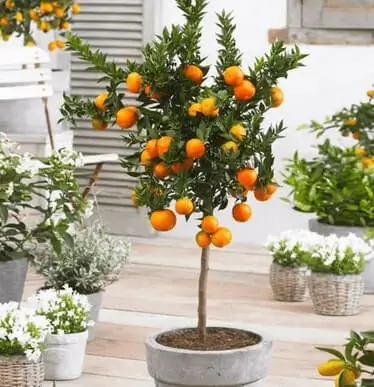
3. When and How to Up-Pot
Up-pot gradually every 2–3 years:
- Increase container diameter by 4–6 inches.
- Avoid jumping directly into oversized pots.
If you’re unsure how pot size affects fruiting, this detailed article on the best pot size for fruit trees in containers explains the balance between root space and productivity.
Best Container Materials for Orange Trees (Pros & Cons)
Terracotta Pots
Pros
- Breathable material improves root oxygen.
- Classic, attractive appearance
Cons
- Dries out quickly
- Heavy and breakable
Best for gardeners who water consistently and grow in humid or mild climates.
Plastic Containers
Pros
- Lightweight and affordable
- Retains moisture longer
Cons
- Less breathable
- Can overheat in strong sun
Ideal for beginners and balcony growers who move plants seasonally.
Fabric Grow Bags
Pros
- Excellent drainage and air pruning
- Prevent root circling
Cons
- Shorter lifespan
- Dry out faster
Great option if you struggle with overwatering. Pair them with proper watering techniques found in this guide on watering fruit trees in summer.
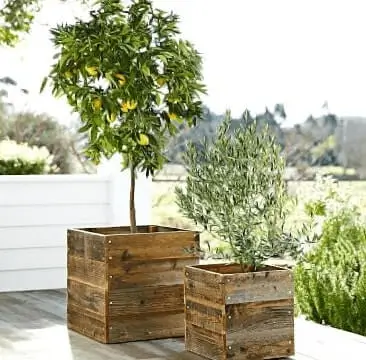
Wooden Planters
Pros
- Insulated against heat and cold
- Visually appealing
Cons
- Can rot over time if untreated
Line the interior to extend lifespan and protect roots.
Drainage: The Non-Negotiable Feature
No matter the size or material, the best container for orange trees must have drainage holes.
What to Look For
- Multiple drainage holes at the base
- Raised feet or pot risers
- Free-flowing water after watering
Never rely on a “self-draining” decorative pot without proper holes. Excess water suffocates roots and leads to disease.
Should You Add Rocks at the Bottom?
No. Rocks reduce usable root space and do not improve drainage. Instead:
- Use a well-draining soil mix.
- Ensure unobstructed drainage holes.
For the perfect blend, refer to this guide on making a homemade soil mix for fruit trees, which pairs perfectly with container citrus.
Best Container Shape for Orange Trees
Wide vs. Deep Containers
Orange trees prefer:
- Wide, slightly deep containers
- Stable base to support canopy growth
Avoid narrow, tall pots that tip easily and restrict lateral root development.
Tapered vs. Straight Sides
- Straight-sided containers make repotting easier.
- Tapered pots look nice, but can trap roots.
Choose function over style for long-term success.
Soil and Container Pairing Tips
The container and soil work as a system.
Best Soil Characteristics
- Lightweight and airy
- Fast-draining but moisture-retentive
- Rich in organic matter
Avoid garden soil—it tends to compact in containers. Learn why in this comparison of potting mix vs garden soil for fruit trees.
Mulching in Containers
Add 2–3 cm of organic mulch:
- Reduces moisture loss
- Protects surface roots
- Improves soil health
Keep mulch away from the trunk to prevent rot.
Common Mistakes Beginners Make
Choosing a Pot That’s Too Small
This leads to:
- Root binding
- Poor nutrient uptake
- Minimal fruiting
Oversized Containers Too Early
Large pots retain excess moisture, increasing the risk of root rot, especially in cool weather.
Ignoring Container Weight
Lightweight pots can tip over, especially during fruiting season.
Decorative Pots Without Drainage
These are responsible for many citrus failures in containers.
Tools and Accessories That Improve Container Success
- Pot risers: Improve drainage and airflow
- Wheeled plant caddies: Easy seasonal movement
- Moisture meter: Prevents overwatering
- Shade cloth: Protects containers from overheating
These small upgrades make a big difference, especially in hot climates.
FAQ: Best Container for Orange Trees
What is the best container size for orange trees?
For mature orange trees, a 20–24 inch container (15–25 gallons) is ideal for healthy growth and fruiting.
Can orange trees grow in plastic pots?
Yes. Plastic pots work well if they have good drainage and are protected from extreme heat.
How often should I repot an orange tree?
Every 2–3 years, or when roots circle the pot and drainage slows.
Do orange trees fruit well in containers?
Yes, when grown in the right container with proper care, orange trees can fruit abundantly.
Are fabric grow bags good for orange trees?
Yes, especially for preventing root rot, but they require more frequent watering.
Conclusion: Choosing the Best Container for Orange Trees
The best container for orange trees is not about looks—it’s about root health, drainage, stability, and long-term growth. A well-sized container made from the right material, paired with proper soil and drainage, sets the foundation for vigorous growth and reliable fruit production.
Practical Next Steps
- Choose a container at least 20 inches wide for long-term growth.
- Ensure excellent drainage—no exceptions.
- Match the container with a high-quality, well-draining soil mix.
- Upgrade gradually as your tree grows.
With the right container, growing oranges in pots becomes simple, rewarding, and perfectly suited for patios, balconies, and small gardens. 🌱🍊