
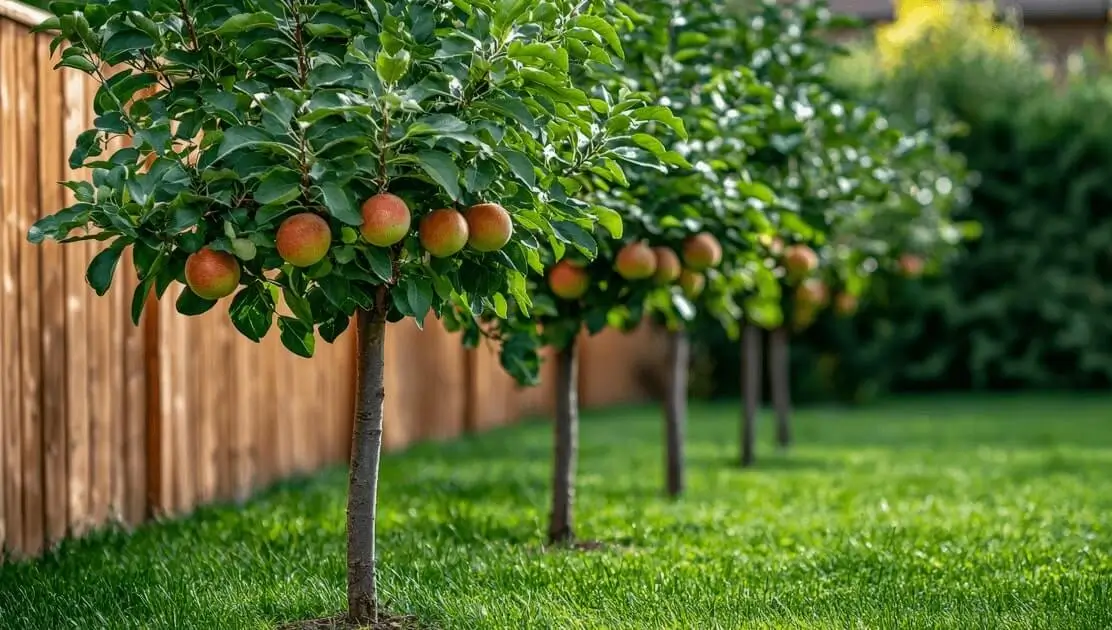
Living in an apartment doesn’t mean you have to give up the dream of harvesting fresh fruit at home. Many fruit trees grow surprisingly well indoors or on small balconies when given the right container, sunlight, and care. From compact citrus trees to dwarf figs and olives, apartment-friendly fruit trees can thrive even in limited spaces. In this guide, you’ll discover which fruit trees work best for apartment living, how to care for them indoors, and the common mistakes beginners should avoid.
Why Growing Fruit Trees in Apartments Matters
Apartment living is becoming the norm worldwide, yet the desire for fresh, homegrown food continues to grow. Container fruit gardening solves this problem by combining food production with space efficiency.
Here’s why apartment fruit trees are worth it:
- Fresh, chemical-free fruit right outside your door
- Efficient use of balconies and terraces
- Improved air quality and mental well-being
- Lower long-term cost compared to buying specialty fruit
- Educational and rewarding for beginners and families
Thanks to dwarf and semi-dwarf varieties, fruit trees can thrive in pots for years. When paired with proper soil, watering, and sunlight management, apartment-grown fruit trees can be just as productive as garden-planted ones.
Can You Really Grow Fruit Trees in Apartments? (The Short Answer)
Yes—you absolutely can grow fruit trees in apartments.
The key lies in three factors:
- Choosing the right fruit tree varieties
- Using proper containers and soil
- Providing enough sunlight and care
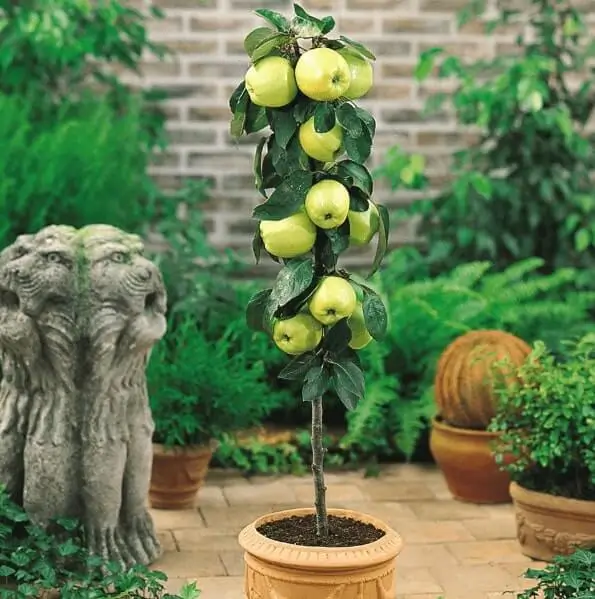
Modern container gardening techniques allow fruit trees to stay compact while still producing flowers and fruit. Many popular fruits—such as citrus, figs, apples, and even peaches—have dwarf varieties bred specifically for pots.
If you’re just starting, this beginner-friendly guide on container fruit gardening for balconies can help you understand the fundamentals before choosing your trees.
Best Fruit Trees for Apartment Living
Not all fruit trees are suitable for apartment conditions. The best options share these traits:
- Naturally compact growth
- Shallow to moderate root systems
- Good productivity in containers
Top Fruit Trees That Grow Well in Apartments
- Citrus trees (lemon, lime, mandarin)
- Fig trees
- Dwarf apple trees
- Dwarf peach and nectarine trees
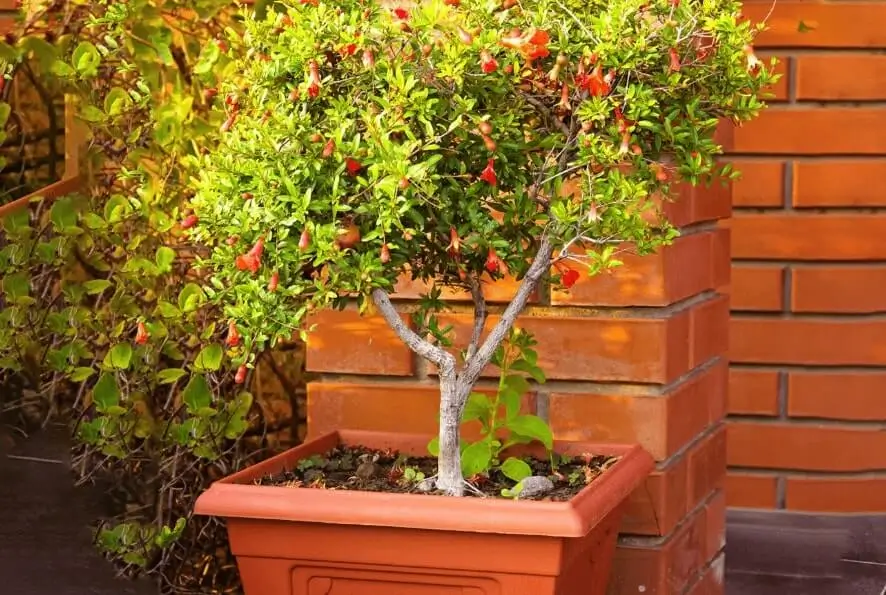
- Pomegranate
- Avocado (dwarf varieties)
If space is very limited, focus on the varieties recommended in this list of the best fruits to grow on balconies, selected specifically for small-space success.
Step-by-Step: How to Grow Fruit Trees in Apartments Successfully
Step 1: Choose the Right Container
Containers play a major role in root health and fruit production.
Container tips:
- Minimum size: 12–18 inches wide for young trees
- Larger trees: 20–24 inches or more
- Must have multiple drainage holes
- Heavy materials (ceramic, fabric grow bags) improve stability.
For a detailed comparison, see this guide on choosing the best containers for balcony fruit trees.
Step 2: Use the Right Soil Mix
Garden soil is too heavy for pots. Fruit trees need a well-draining yet nutrient-rich mix.
Ideal soil characteristics:
- Lightweight and airy
- Holds moisture without becoming soggy
- Rich in organic matter
A proven approach is covered in this article about the best soil for fruit trees in balcony containers, including DIY mix recipes.
Step 3: Sunlight Requirements for Apartment Fruit Trees
Most fruit trees require 6–8 hours of direct sunlight daily.
Best apartment locations:
- South-facing balconies
- West-facing terraces
- Bright rooftops or patios
If sunlight is limited, prioritize fruit trees that tolerate partial sun, or consider reflective surfaces to boost light exposure. Citrus trees, in particular, have specific needs—learn more in this guide on sunlight requirements for citrus in containers.
Step 4: Watering Fruit Trees in Apartments
Watering mistakes are one of the biggest causes of failure.
General rules:
- Water deeply until it drains from the bottom
- Allow the top inch of soil to dry between watering.
- Reduce watering in winter.
For a more precise schedule, especially in hot climates, follow this beginner-friendly resource on how often to water fruit trees in containers.
Step 5: Feeding and Ongoing Care
Container-grown fruit trees depend entirely on you for nutrients.
Basic care checklist:
- Use a balanced slow-release fertilizer.
- Supplement with liquid fertilizer during active growth.
- Prune lightly to control size and shape.
- Rotate pots for even sunlight exposure.
Common Mistakes Beginners Make (and How to Avoid Them)
1. Choosing Full-Size Trees
Always select dwarf or container-labelled varieties.
2. Overwatering
Soggy soil leads to root rot—drainage is essential.
3. Ignoring Sunlight Needs
Insufficient light results in weak growth and no fruit.
4. Using Small Pots Long-Term
Trees outgrow containers and become stressed.
5. Skipping Pruning
Unpruned trees quickly outgrow apartment spaces.
Avoiding these mistakes dramatically increases your success rate during the first year.
Tools and Supplies You’ll Need
- Large containers with drainage
- High-quality potting mix
- Slow-release fertilizer
- Pruning shears
- Watering can or drip system
- Plant saucers or trays
These tools are affordable and reusable, making apartment fruit gardening a long-term investment.
FAQ: Growing Fruit Trees in Apartments
Can fruit trees survive indoors?
Some fruit trees can survive indoors temporarily, but most need outdoor sunlight to fruit properly.
How long does it take for apartment fruit trees to produce fruit?
Many dwarf trees produce fruit within 1–3 years, depending on the variety and care.
Do apartment fruit trees attract pests?
They can, but proper airflow, cleanliness, and regular inspection keep pests manageable.
Can I grow fruit trees on a shaded balcony?
Partial shade works for some trees, but full sun produces the best harvests.
How big do apartment fruit trees get?
Most dwarf varieties stay between 5 and 8 feet tall with proper pruning.
Conclusion: Your Next Steps to Growing Fruit Trees in Apartments
So, can you grow fruit trees in apartments? Absolutely—and successfully. With the right tree varieties, containers, soil, and care routine, apartment fruit gardening becomes both achievable and rewarding. Start small with one or two trees, observe how they respond to your space, and adjust as needed. As your confidence grows, so can your mini orchard. Apartment living doesn’t limit your gardening dreams—it simply reshapes them. Now is the perfect time to turn your balcony or terrace into a productive, fruit-filled space. 🌱🍎