
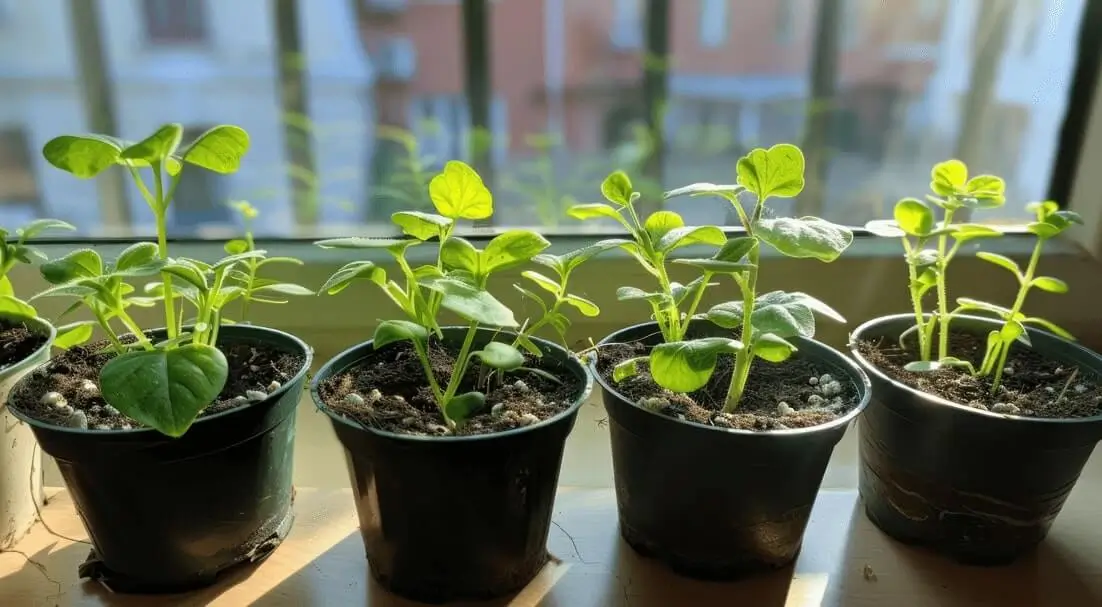
Growing fruit trees indoors is one of the most rewarding ways to enjoy fresh produce in small spaces—but watering them correctly can be tricky. Apartment environments often have limited airflow, controlled temperatures, and unique humidity levels, all of which affect how soil retains moisture. This beginner-friendly guide will help you understand exactly how, when, and how much to water your indoor fruit trees so they stay healthy, productive, and stress-free all year round.
Why Watering Fruit Trees in Apartments Matters So Much
Container fruit gardening in apartments is different from outdoor planting in three critical ways:
1. Containers Dry Out Faster
Pots have limited soil volume, which means water evaporates quickly—especially on sunny balconies or near windows. A missed watering can stress a tree within hours during warm weather.
2. Roots Have No Room for Error
Unlike in-ground trees, container roots can’t “search” for moisture. If water isn’t available where roots are, the tree suffers immediately.
3. Overwatering Is Easier Than You Think
Many beginners assume more water equals healthier plants. In reality, soggy soil suffocates roots, causing yellow leaves and stunted growth. This is why understanding proper watering depth and drainage is essential.
If you’re also learning general container techniques, this detailed guide to watering fruit trees in pots explains how container size and soil composition directly affect watering frequency.
Step-by-Step: How to Water Fruit Trees in Apartments Correctly
Step 1: Choose the Right Container (Before You Even Water)
Your watering success starts with the pot itself.
Best container features:
- Drainage holes (non-negotiable)
- Breathable materials (fabric, terracotta, or thick plastic)
- Size appropriate for the tree (minimum 10–15 gallons for dwarf fruit trees)
Small pots dry too fast and require constant watering. Oversized pots retain excess moisture and increase root rot risk.
Step 2: Use the Right Soil Mix
Avoid garden soil—it compacts and drains poorly in containers.
Ideal soil mix for apartment fruit trees:
- High-quality potting mix
- Added perlite or pumice for drainage
- Organic matter (compost or coco coir)
Well-draining soil ensures water reaches roots without drowning them. If your soil stays wet for more than 48 hours, it’s time to improve drainage. You may also benefit from learning how to prevent salt buildup in container soil, especially if you fertilize regularly.
Step 3: Know When to Water (Not by Schedule)
The biggest mistake in watering fruit trees in apartments is sticking to a fixed schedule.
Instead, use the finger test:
- Insert your finger 2–3 inches into the soil
- If dry → water
- If slightly moist → wait
- If wet → do not water
During summer, this might mean watering every 1–2 days. In winter, it could drop to once every 7–10 days, especially indoors.
Step 4: Water Deeply, Not Lightly
Shallow watering encourages weak surface roots.
Correct watering method:
- Water slowly until it flows from drainage holes
- Allow excess water to drain completely
- Never leave the pot sitting in standing water
Deep watering ensures moisture reaches the full root zone, promoting stronger growth and better fruit production.
Step 5: Adjust Watering Based on Location
Apartment fruit trees experience different conditions depending on placement:
Balcony (full sun):
- Water more frequently
- Expect faster soil drying
- Wind increases water loss
Indoors (near windows):
- Water less often
- Watch for slow evaporation
- Avoid cold drafts and heaters
Shaded balconies:
- Water less frequently
- Monitor soil carefully to prevent overwatering
Seasonal Watering Guide for Apartment Fruit Trees
Spring
- Increase watering as growth resumes
- New leaves and flowers need consistent moisture
Summer
- Highest water demand
- Check soil daily
- Mulch soil surface to reduce evaporation
Fall
- Gradually reduce watering
- Growth slows, but roots still need moisture
Winter
- Minimal watering
- Water only when soil is mostly dry
- Indoor trees may need slightly more than outdoor balcony trees
If you’re unsure whether your routine is working, review these signs of a healthy watering routine to confirm you’re on the right track.
Common Mistakes Beginners Make (and How to Avoid Them)
1. Watering on a Fixed Schedule
Trees don’t follow calendars—conditions change daily.
2. Using Decorative Pots Without Drainage
These trap water and suffocate roots.
3. Overwatering During Winter
Dormant trees need far less water.
4. Ignoring Pot Size as Trees Grow
As roots fill the container, watering frequency increases. Repot when needed.
5. Confusing Leaf Drop with Thirst
Leaf drop can be caused by overwatering, cold stress, or poor drainage—not just dryness. Learn more in this breakdown of common watering mistakes with fruit trees.
Helpful Tools and Accessories for Apartment Watering
Must-Have Tools
- Long-spout watering can (for precise control)
- Moisture meter (optional but helpful for beginners)
- Saucer with gravel (prevents standing water contact)
- Organic mulch (bark, straw, or coco chips)
Optional Upgrades
- Self-watering containers (use carefully)
- Drip trays for indoor protection
- Lightweight fabric grow bags for better aeration
FAQ: Watering Fruit Trees in Apartments
How often should I water fruit trees in apartments?
Water when the top 2–3 inches of soil are dry. This may range from daily in summer to weekly in winter.
Can I overwater fruit trees in containers?
Yes. Overwatering is the most common problem and leads to root rot, yellow leaves, and poor growth.
Do indoor fruit trees need less water than balcony trees?
Usually yes. Indoor environments have less evaporation and wind exposure.
Should I mist fruit trees instead of watering?
No. Misting does not replace root watering and has little benefit for fruit trees.
Is tap water safe for apartment fruit trees?
Generally yes, but allow it to sit overnight to reduce chlorine. Periodically flush soil to avoid salt buildup.
Conclusion: Simple Watering = Healthy Apartment Fruit Trees
Watering fruit trees in apartments doesn’t require guesswork—it requires awareness. By choosing the right container, using well-draining soil, checking moisture before watering, and adjusting for seasons and location, you can keep your trees healthy and productive even in small spaces.
Start by observing your soil daily, not your calendar. Invest in proper drainage, water deeply, and adjust as conditions change. With consistency and attention, your apartment fruit trees will reward you with strong growth, beautiful foliage, and delicious homegrown fruit—right from your balcony or living room.