
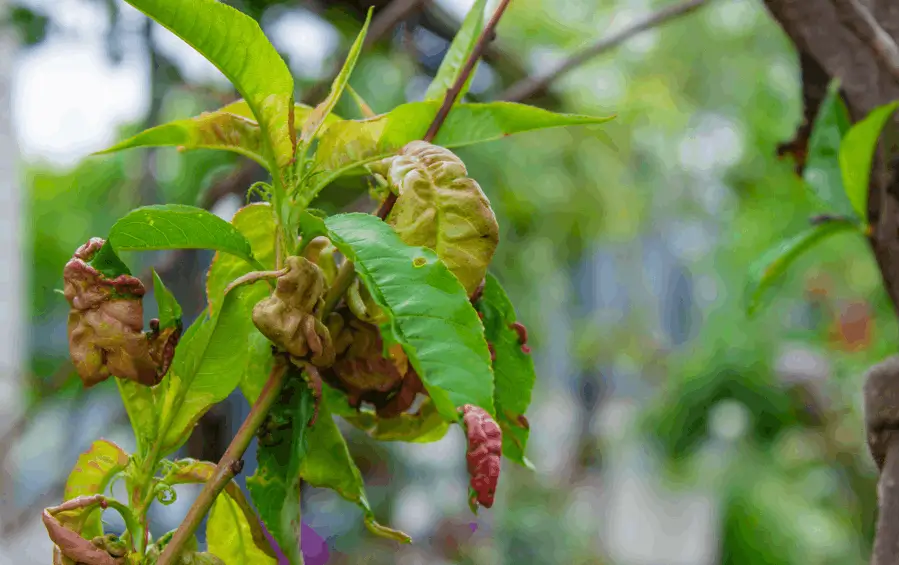
Wilting in potted fruit trees is a common but concerning problem that often signals stress from improper watering, poor drainage, nutrient imbalance, or environmental factors. Because container-grown trees rely entirely on controlled conditions, even small mistakes can quickly lead to drooping leaves and weak growth. Understanding the main causes of wilting and applying simple, effective solutions can help restore your tree’s health and keep it thriving in a limited space.
Container-grown fruit trees behave very differently from trees planted in the ground. Limited soil volume, restricted roots, and faster moisture changes mean small mistakes can quickly stress the plant. In this guide, you’ll learn the most common causes of wilting in potted fruit trees and the exact solutions to bring them back to health. Whether you grow citrus on a balcony or dwarf apples on a patio, this article will help you diagnose problems accurately and take confident action.
Why Fruit Trees Wilting in Pots Matters for Container Gardening
Fruit trees in containers rely entirely on you for water, nutrients, and airflow. When wilting appears, it’s not just a cosmetic issue—it’s an early warning sign of deeper stress.
Wilting often means:
- Roots are damaged or suffocating
- Water uptake is blocked
- The tree is losing moisture faster than it can absorb it
If ignored, wilting can lead to:
- Blossom and fruit drop
- Permanent root damage
- Stunted growth or tree death
Unlike garden soil, containers don’t buffer mistakes. Overwatering, underwatering, or compacted soil can affect roots within days. Understanding why fruit trees wilt in pots allows you to act fast and prevent long-term damage.
Fruit Trees Wilting in Pots: Causes and Solutions (Step-by-Step)
1. Overwatering and Poor Drainage (Most Common Cause)
Many beginners assume wilting always means thirst. In containers, the opposite is often true.
What happens:
Excess water fills air pockets in the soil. Roots suffocate, rot begins, and the tree wilts despite wet soil.
Signs to look for:
- Constantly wet or soggy soil
- Yellowing leaves along with wilting
- Foul smell from the pot
Solutions:
- Ensure pots have multiple drainage holes
- Elevate containers so water can escape freely
- Switch to a fast-draining potting mix
If your soil stays wet for days, follow this complete guide on fixing waterlogged soil in potted fruit trees to restore root oxygen.
2. Underwatering and Hydrophobic (Dry) Soil
Wilting can also happen when roots simply can’t access water.
What happens:
Dry potting mix shrinks and pulls away from the container edges, allowing water to run straight through without soaking in.
Signs to look for:
- Soil feels dry even after watering
- Water drains immediately from the bottom
- Leaves wilt during hot afternoons
Solutions:
- Water slowly until the entire root ball is soaked
- Soak the pot in a bucket for 20–30 minutes if soil is severely dry
- Add organic matter like coco coir or compost
3. Root Bound Stress
Container fruit trees grow faster than many gardeners expect.
What happens:
Roots circle the pot, restricting water and nutrient absorption. Even frequent watering won’t help.
Signs to look for:
- Roots growing out of drainage holes
- Wilting shortly after watering
- Slowed or stopped growth
Solutions:
- Repot into a container 2–4 inches larger
- Gently loosen circling roots during transplant
- Refresh with new potting mix
4. Heat Stress and Sun Exposure
Pots heat up much faster than ground soil.
What happens:
High temperatures increase water loss through leaves faster than roots can replace it.
Signs to look for:
- Midday wilting that improves at night
- Crispy leaf edges
- Hot container walls
Solutions:
- Move pots to morning sun, afternoon shade
- Use light-colored containers
- Mulch the soil surface to reduce evaporation
Heat stress is common on balconies and rooftops, especially during summer.
5. Nutrient Imbalance or Fertilizer Burn
More fertilizer does not mean faster growth.
What happens:
Excess salts damage roots, preventing water uptake and causing wilting.
Signs to look for:
- Leaf tip burn
- White crust on soil surface
- Sudden wilting after feeding
Solutions:
- Flush soil thoroughly with clean water
- Reduce feeding frequency
- Use slow-release organic fertilizers
Common Mistakes Beginners Make
- Watering on a schedule instead of checking soil moisture
- Using garden soil instead of container mix
- Choosing decorative pots without drainage
- Ignoring early wilting signs
- Repotting too late
Avoiding these mistakes dramatically improves survival and fruit production in potted trees.
Tools, Soil, and Care Tips for Healthy Potted Fruit Trees
Best Soil Mix
- 40% quality potting mix
- 30% compost
- 20% coco coir or peat
- 10% perlite or pumice
Essential Tools
- Moisture meter (helpful, not mandatory)
- Mulch (wood chips or straw)
- Pot feet or risers
- Sharp pruners for root trimming
Ongoing Care Tips
- Water deeply, not frequently
- Rotate pots for even sun exposure
- Inspect drainage holes monthly
- Refresh topsoil annually
Frequently Asked Questions (FAQ)
Why are my fruit tree leaves wilting even though the soil is wet?
This usually indicates overwatering or poor drainage, causing root suffocation.
Can a wilted potted fruit tree recover?
Yes. If caught early and roots are not severely damaged, most trees recover within weeks.
How often should I water fruit trees in pots?
There’s no fixed schedule. Water when the top 2–3 inches of soil feel dry.
Does wilting always mean underwatering?
No. In containers, wilting is more often caused by root stress, not lack of water.
Should I prune a wilting fruit tree?
Light pruning can reduce stress, but only after fixing the underlying cause.
Conclusion: Bring Wilted Potted Fruit Trees Back to Life
Fruit trees wilting in pots is a clear signal—not a failure. By understanding the real causes, from drainage issues to heat stress, you can take precise action instead of guessing. Focus on root health, proper soil, and responsive watering habits.
Your next steps:
- Check soil moisture and drainage today
- Inspect roots if wilting persists
- Adjust container size, soil, or placement
With the right approach, your container fruit trees can bounce back stronger and reward you with healthy growth and abundant harvests.