
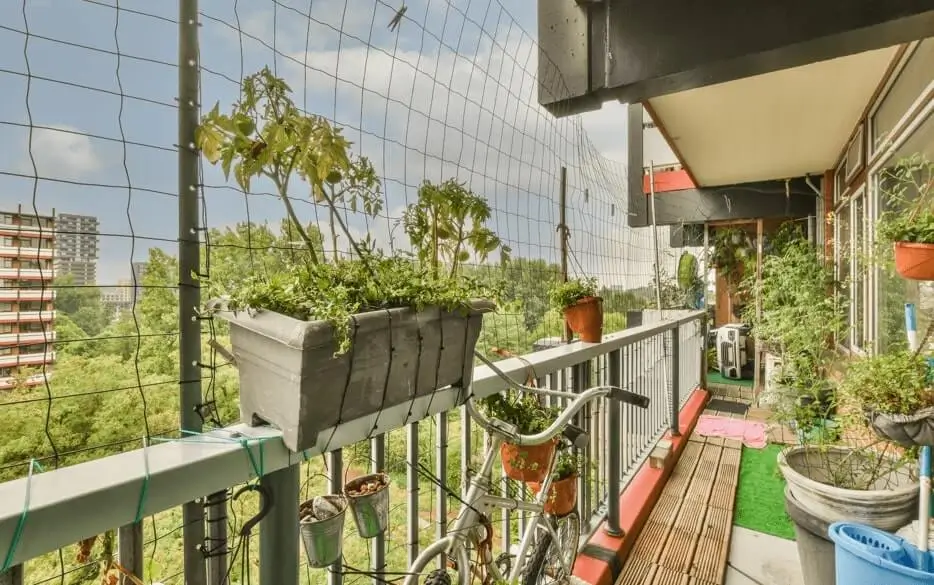
Growing fruit on a balcony is exciting—until you realize your space faces north. North-Facing Balcony Fruit Issues are one of the most common challenges beginner gardeners face, especially in apartments and small homes. Limited sunlight, slower growth, and disappointing harvests can make it feel like fruit gardening just isn’t possible in your space.
The good news? A north-facing balcony doesn’t mean failure. With the right fruit choices, smart container techniques, and a few light-maximizing strategies, you can still grow productive, healthy fruit plants—even in low-light conditions.
This guide breaks down exactly why north-facing balconies are challenging, which fruit plants can still thrive, and step-by-step solutions to turn a shaded balcony into a productive growing space. By the end, you’ll have a clear, practical plan to grow fruit successfully, even without full sun.
Why North-Facing Balcony Fruit Issues Matter in Container Gardening
Sunlight is the main driver of fruit production. Most fruit plants evolved to grow in open, sunny environments, which is why balconies with limited light struggle.
On a north-facing balcony, common problems include:
- Fewer than 4–5 hours of direct sunlight
- Slow leaf and root growth
- Weak flowering or no fruit set
- Increased risk of fungal disease due to shade and moisture
In containers, these issues are amplified because roots are confined and rely entirely on you for light, nutrients, and drainage. If you’ve already noticed pale leaves, leggy growth, or flowers dropping without fruit, you’re likely experiencing classic low-light stress.
This connects closely with other balcony challenges like poor sun exposure and drainage. If you haven’t already, reviewing this guide on lack of sunlight problems in potted fruit plants can help you identify early warning signs before yields suffer.
Understanding Light on a North-Facing Balcony
Before fixing the problem, you need to understand how light behaves.
What “North-Facing” Really Means
A north-facing balcony usually gets:
- Bright indirect light most of the day
- Little to no direct sun, especially in winter
- Some early morning or late evening sun in summer (depending on location)
This type of light is softer and cooler. While great for leafy greens and herbs, it’s borderline for fruiting plants.
How Much Light Fruit Plants Actually Need
- High-light fruits (citrus, figs, peaches): 6–8+ hours direct sun
- Moderate-light fruits (strawberries, currants): 4–6 hours
- Low-light tolerant fruits: 3–4 hours of bright indirect light
Your goal isn’t to force sun-loving plants to survive—but to match plants and techniques to your conditions.
Best Fruit Plants for North-Facing Balconies
Choosing the right plants is the single most important solution to North-Facing Balcony Fruit Issues.
1. Strawberries (Best Beginner Option)
Strawberries tolerate partial shade better than most fruits.
- Grow in hanging baskets or railing planters
- Choose day-neutral or alpine varieties
- Expect fewer but still flavorful berries
They pair well with vertical growing methods, which you can explore further in this article on growing fruit plants in small balcony spaces.
2. Raspberries (Compact Varieties)
Some raspberry cultivars tolerate partial shade surprisingly well.
- Choose dwarf or patio varieties
- Focus on leaf health rather than heavy pruning
- Expect lighter harvests than full-sun gardens
3. Currants and Gooseberries
These are among the best fruits for low-light environments.
- Thrive in cool, shaded conditions
- Excellent for north-facing balconies in containers
- Less prone to sun stress and leaf scorch
4. Figs (With Limitations)
Figs won’t thrive in deep shade, but they can survive.
- Use compact varieties like ‘Petite Negra’
- Expect slow growth and minimal fruit
- Best as a foliage-focused edible plant
Step-by-Step Solutions to Overcome North-Facing Balcony Fruit Issues
Step 1: Maximize Available Light
Even small improvements make a big difference.
- Place containers at the balcony edge, not against walls
- Use light-colored walls, floors, or reflective panels
- Prune nearby plants that block indirect light
If your plants show stretched stems and large leaf gaps, they’re signaling light stress—a common issue also discussed in this guide on why fruit plants grow tall but don’t produce fruit.
Step 2: Use the Right Containers
Container choice directly affects plant energy in low light.
Best container practices:
- Choose wide pots rather than deep ones
- Use light-colored containers to reflect heat and light
- Ensure excellent drainage to prevent root rot
Poor drainage combined with shade often leads to soil problems. This is closely related to issues explained in how lack of drainage affects potted fruit trees.
Step 3: Optimize Soil for Low-Light Growth
In shade, roots absorb nutrients more slowly.
Ideal soil mix:
- High-quality potting soil
- Added perlite or pumice for airflow
- A small amount of compost (not too rich)
Avoid heavy soil—it stays wet too long in shaded balconies and can trigger fungal growth. If you’ve seen white mold or mushroom growth, review this article on soil fungus in container fruit plants.
Step 4: Adjust Watering Habits
Overwatering is one of the biggest beginner mistakes in shaded balconies.
Key watering rules:
- Water only when the top 2–3 cm of soil is dry
- Use pots with multiple drainage holes
- Reduce watering frequency in winter
North-facing balconies dry out much slower than sunny ones.
Step 5: Use Balanced, Low-Nitrogen Fertilizers
Too much nitrogen in low light causes:
- Excess leaf growth
- Weak stems
- Little or no fruiting
Use:
- Slow-release organic fertilizers
- Lower nitrogen, higher potassium blends
- Half-strength liquid feeds during active growth
Step 6: Consider Supplemental Grow Lights (Optional)
If your balcony receives almost no direct sun, grow lights can be a game-changer.
- Use full-spectrum LED grow lights
- Run for 6–8 hours daily
- Focus on flowering periods
This can turn a challenging space into a reliable fruit-producing area.
Common Beginner Mistakes on North-Facing Balconies
Growing the Wrong Fruit Trees
Trying to grow citrus or stone fruits without enough sun leads to frustration.
Overwatering Shaded Containers
Wet soil + low light = root rot.
Ignoring Airflow
Shaded balconies often trap humidity. Ensure space between pots and avoid overcrowding.
Expecting Full-Sun Yields
Even healthy plants in shade produce fewer fruits. Success is about realistic expectations.
Tools and Care Tips for Better Results
Essential Tools
- Moisture meter (prevents overwatering)
- Pruning shears for airflow control
- Reflective panels or white boards
Helpful Extras
- Mulch to regulate soil moisture
- Plant stands to lift pots closer to light
- Lightweight containers for easy repositioning
FAQ: North-Facing Balcony Fruit Issues
Can fruit trees grow on a north-facing balcony?
Yes, but only shade-tolerant or compact varieties will perform reasonably well.
How many hours of sun do fruit plants need?
Most need 6–8 hours, but some can survive with 3–4 hours of bright indirect light.
Why do my fruit plants flower but not produce fruit?
Low light, excess nitrogen, or temperature stress are the most common causes.
Are grow lights safe to use on balconies?
Yes, as long as they are weather-rated and used safely with outdoor outlets.
Which fruit is easiest for low-light balconies?
Strawberries, currants, and gooseberries are the most reliable options.
Conclusion: Turning a North-Facing Balcony into a Fruit-Friendly Space
North-Facing Balcony Fruit Issues don’t mean you have to give up on growing fruit. They simply require smarter choices, realistic expectations, and better container management. By selecting shade-tolerant fruits, optimizing light and soil conditions, and avoiding common beginner mistakes, you can enjoy fresh, homegrown fruit—even in limited light.
Start by adjusting your plant selection, improve drainage and watering habits, and observe how your plants respond. With patience and the right setup, a north-facing balcony can still become a productive, rewarding growing space.