
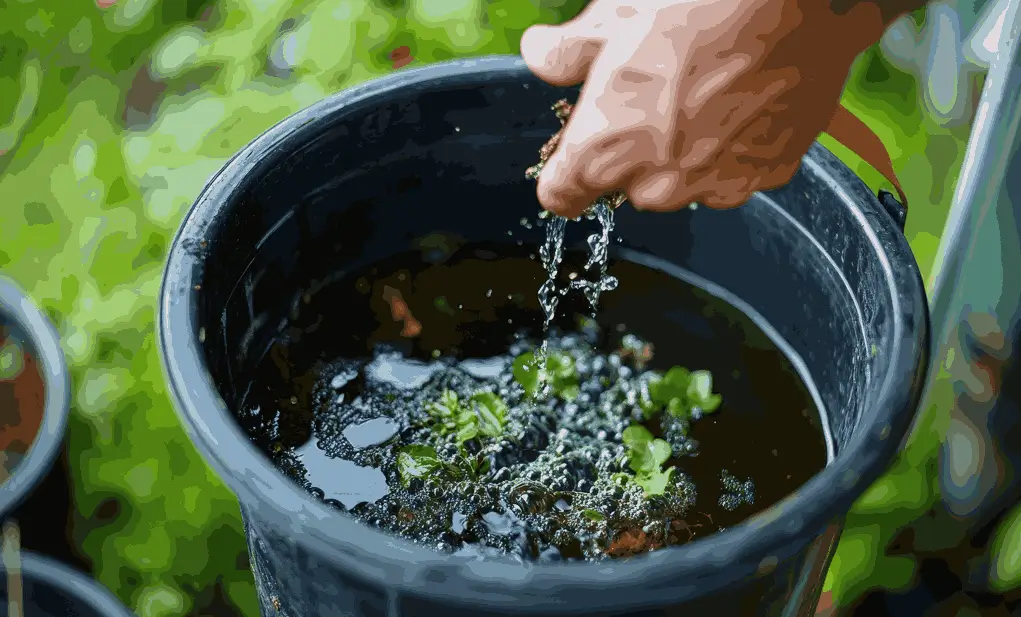
Waterlogged soil in pots can suffocate roots, leading to yellowing leaves, root rot, and poor fruit production. This common issue often results from poor drainage, overwatering, or heavy soil mixes. In this guide, you’ll learn simple and effective ways to fix soggy soil, restore healthy root conditions, and keep your potted plants thriving.
Why Waterlogged Soil Matters in Container Fruit Gardening
Container fruit gardening is different from growing in the ground. Pots have limited space, limited airflow, and zero margin for drainage mistakes. When soil stays wet too long:
- Roots lose access to oxygen
- Beneficial microbes die off
- Harmful fungi thrive
- Nutrient uptake slows or stops
Fruit trees are especially sensitive. Unlike leafy ornamentals, they rely on healthy root systems to support flowering, fruiting, and long-term growth. If your container soil remains soggy for days after watering, you’re likely seeing symptoms often confused with nutrient deficiencies. In reality, the problem starts below the surface.
If you’ve already struggled with symptoms like leaf yellowing or weak growth, issues discussed in guides about overwatering fruit trees in containers and slow growth in potted fruit trees are often rooted in poor drainage rather than lack of fertilizer.
How to Fix Waterlogged Soil in Pots (Step by Step)
Step 1: Stop Watering Immediately
The first and most important action is to pause watering. Adding more water—even “just a little”—worsens root stress. Let the pot dry until the top 2–3 inches feel barely moist.
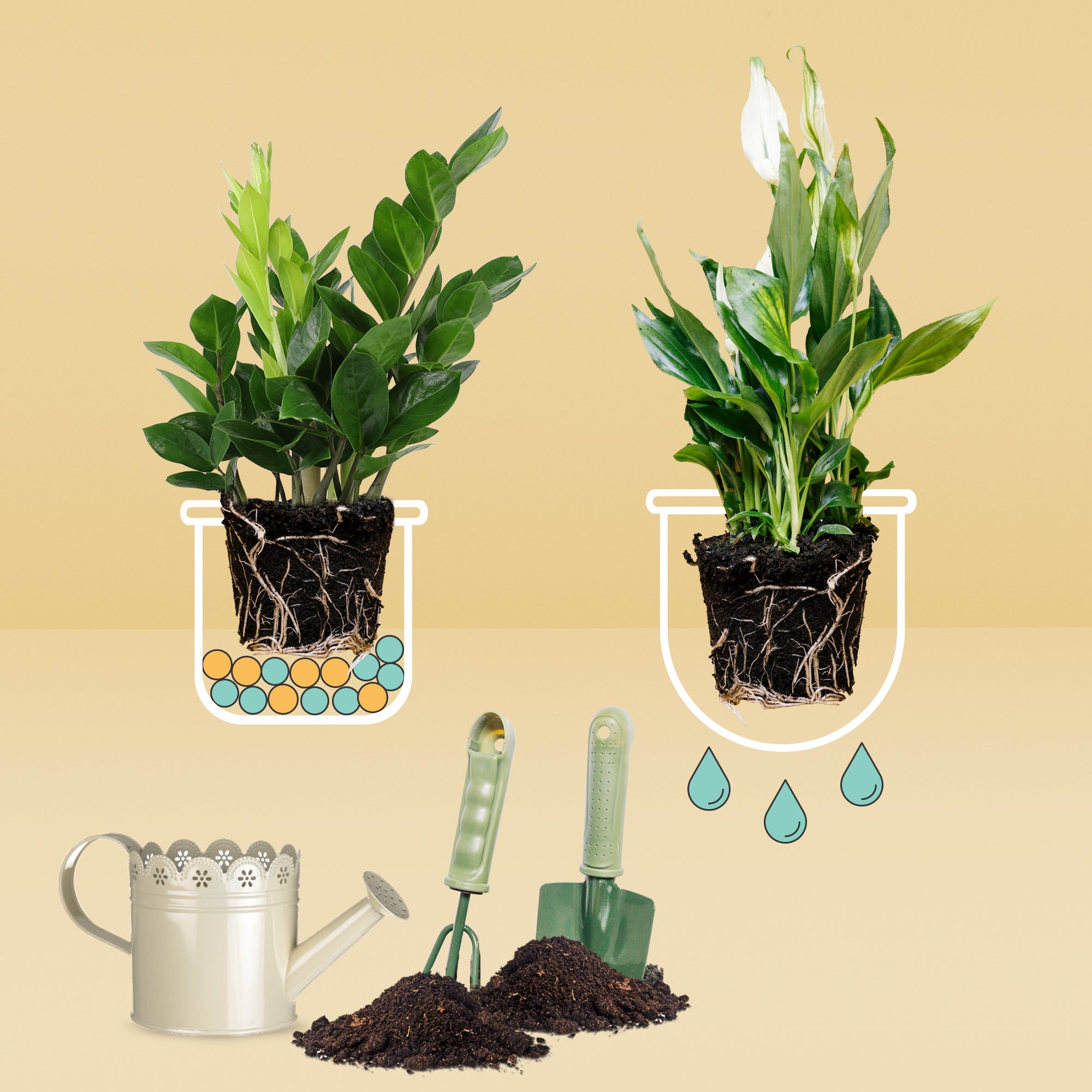
Step 2: Improve Drainage Right Away
Check the bottom of the container:
- Ensure there are drainage holes (not optional)
- Clear blocked holes using a stick or wire
- Elevate the pot slightly so water can escape freely
If water pools under the pot, roots are sitting in stagnant moisture.
Step 3: Loosen the Soil Surface
Gently break up compacted topsoil with your fingers or a small hand fork. This improves airflow and speeds evaporation without damaging roots.
Step 4: Repot If Necessary
If soil remains soggy after several days, repotting is the safest fix:
- Remove the plant carefully
- Trim any black, mushy, or foul-smelling roots
- Replace with fresh, well-draining mix
Using the best soil for fruit trees in balcony containers makes a dramatic difference here.
Best Long-Term Solutions to Prevent Waterlogged Soil

Use the Right Potting Mix (Not Garden Soil)
Garden soil compacts easily in pots. Always use a container-specific mix with:
- Perlite or pumice (for airflow)
- Coco coir or peat (for moisture balance)
- Compost (for nutrients, not bulk)
A proper mix drains excess water while holding just enough moisture for roots.
Choose the Correct Container Size
Oversized pots hold too much wet soil around small root systems. Match pot size to plant size, upgrading gradually as the plant grows. This is especially important when selecting containers for balcony fruit trees.
Water Based on Plant Needs, Not Schedule
Stick your finger into the soil before watering. If it’s still moist below the surface, wait. Container fruit plants prefer a wet–dry cycle, not constant saturation.
Improve Airflow Around Pots
Good airflow helps soil dry evenly. Avoid placing pots directly on solid floors without feet or spacers.
For Dwarf Fruit Trees in Pots: The Complete Guide
Common Mistakes Beginners Make
- Using decorative pots without drainage holes
- Adding gravel at the bottom instead of fixing soil mix
- Watering lightly but too often
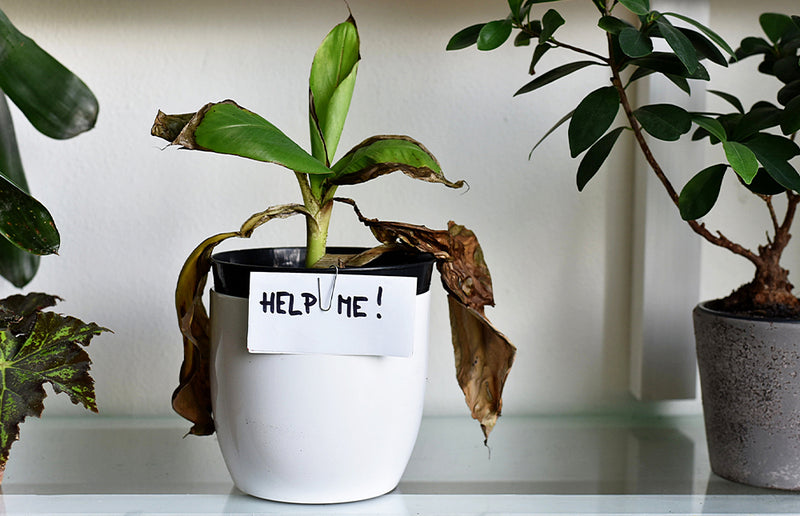
- Ignoring early warning signs like yellow leaves
Many beginners assume yellowing means “more water,” when in reality it often points to oxygen-starved roots—a topic closely related to issues explained in articles about yellow leaves on container fruit trees.
Tools, Soil, and Container Tips That Actually Help
- Moisture meter (optional) – Useful for beginners, but always confirm by touch
- Pot feet or risers – Prevent water from trapping underneath
- Terracotta pots – Naturally breathable and faster drying
- Balanced drainage mix – Your #1 long-term investment
Avoid gimmicks. Healthy container growing is about balance, not shortcuts.
FAQ: Fixing Waterlogged Soil in Pots
How long does it take for waterlogged soil to recover?
Mild cases may recover in 3–7 days with proper drying. Severe cases require repotting.
Can roots recover after being waterlogged?
Yes—if rot hasn’t spread too far. Removing damaged roots and improving drainage often saves the plant.
Should I add sand to fix drainage?
No. Sand can worsen compaction unless used correctly in specialized mixes.
Is root rot always fatal?
Not always. Early intervention and repotting can stop it.
How often should I water fruit trees in pots?
Only when the top few inches of soil feel dry. Conditions vary by climate, pot, and plant size.
Conclusion: Fix the Soil, Save the Plant
Waterlogged soil in pots is a serious but fixable problem. By stopping excess watering, improving drainage, using the right soil mix, and choosing appropriate containers, you can restore root health and prevent future issues. Container fruit gardening rewards attention to detail, and soil structure is the foundation of everything above it. Start with better drainage today, and your fruit plants will respond with stronger growth, healthier leaves, and better harvests. The fix isn’t complicated—but it is essential.