
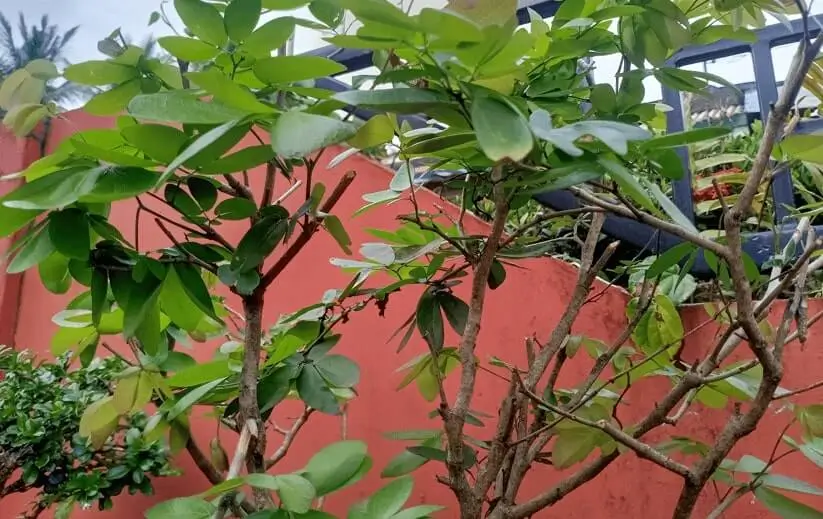
Growing fruit trees in rooftop gardens is a rewarding way to maximize limited space and enjoy fresh harvests at home. However, rooftop environments present unique challenges such as intense sunlight, strong winds, temperature fluctuations, and restricted root space. Without proper care, these factors can stress your trees and reduce productivity. In this guide, you’ll discover the most common problems faced by rooftop fruit gardeners and practical, easy-to-apply solutions to keep your container trees healthy, resilient, and fruitful.
Why Fruit Trees in Rooftop Gardens Matter for Container Growers
Rooftop fruit gardening isn’t just a trend—it’s a practical solution for urban gardeners with limited ground space. However, fruit trees behave differently on rooftops than in backyards or balconies.
Key Differences in Rooftop Conditions
- Higher wind exposure leading to moisture loss and branch stress
- More intense sunlight and heat reflection from concrete and metal
- Limited soil volume restricting root growth and nutrient access
- Structural weight limits affecting container size and soil choice
These factors make Fruit Trees in Rooftop Gardens Problems more likely if standard container-gardening advice is followed blindly. Rooftops require intentional planning from day one.
When done correctly, rooftop fruit trees offer:
- Fresh, chemical-free fruit
- Improved rooftop insulation
- Efficient use of vertical space
- Long-term productivity in small areas
The Most Common Fruit Trees in Rooftop Gardens Problems
Understanding the problems is the first step toward fixing them. Below are the issues rooftop gardeners face most often.
1. Overheating Roots and Soil
Rooftops trap heat. Dark containers absorb sunlight, causing soil temperatures to spike—damaging roots and slowing nutrient uptake.
Symptoms
- Wilting even with moist soil
- Leaf scorch along edges
- Stunted growth
2. Wind Stress and Structural Instability
Constant wind dries foliage and can tip over containers.
Symptoms
- Leaning trunks
- Broken branches
- Frequent soil drying
3. Poor Drainage or Waterlogging
Rooftop gardeners often overcompensate for heat by overwatering.
Symptoms
- Yellowing leaves
- Root rot
- Fungal diseases
4. Nutrient Deficiencies in Containers
Limited soil volume means nutrients deplete faster.
Symptoms
- Pale leaves
- Weak flowering
- Low fruit set
Step-by-Step Solutions for Rooftop Fruit Tree Success
Step 1: Choose the Right Fruit Trees for Rooftop Conditions
Not all fruit trees adapt well to rooftop life. Stick to:
- Dwarf or semi-dwarf varieties
- Shallow-rooted fruit trees
- Heat-tolerant species
If you’re unsure how container size affects growth, review this detailed guide on choosing the right container size for fruit trees, which explains root space requirements clearly.
Step 2: Use Heat-Resistant Containers
Avoid thin plastic or dark pots.
Best options
- Light-colored fabric grow bags
- Thick ceramic or insulated resin containers
- Double-pot systems (inner pot + shaded outer pot)
Elevate containers slightly to allow airflow beneath them.
Step 3: Optimize Soil for Rooftop Fruit Trees
Rooftop soil must balance drainage and moisture retention.
Ideal mix
- 40% high-quality potting soil
- 30% compost
- 20% perlite or pumice
- 10% coco coir
For deeper understanding, this resource on best soil mix for container fruit trees explains how to adjust ratios for hot, windy rooftops.
Step 4: Water Smart—Not More
Instead of watering more often:
- Water deeply until runoff
- Use mulch to slow evaporation
- Water early morning or evening
Drip irrigation systems are especially effective on rooftops. If you’ve struggled with inconsistent moisture, the article on proper watering techniques for potted fruit trees is a must-read.
Step 5: Protect Trees from Wind & Sun Stress
- Install windbreaks using lattice or shade cloth
- Group containers together for mutual protection
- Provide afternoon shade during extreme heat
Tools, Containers, and Care Tips That Make a Difference
Must-Have Tools for Rooftop Fruit Gardeners
- Moisture meter (prevents overwatering)
- Lightweight pruning shears
- Slow-release organic fertilizer
- Drip irrigation kit
Fertilizing Tips
Rooftop fruit trees need consistent feeding:
- Use slow-release fertilizer every 8–10 weeks
- Supplement with liquid seaweed during flowering
- Avoid high-nitrogen feeds once fruit sets
If fruiting is weak despite healthy leaves, explore this troubleshooting guide on why container fruit trees fail to produce fruit.
Common Beginner Mistakes in Rooftop Fruit Gardening
1. Using Garden Soil in Containers
Garden soil compacts, suffocates roots, and drains poorly.
2. Ignoring Weight Limits
Wet soil is heavy. Always confirm rooftop load capacity before adding multiple large containers.
3. Skipping Pruning
Unpruned fruit trees grow tall and unstable. Annual pruning keeps trees compact and productive.
4. Underestimating Sun Intensity
More sun isn’t always better. Rooftops amplify heat—some fruit trees need partial shade during peak summer.
FAQ: Fruit Trees in Rooftop Gardens Problems
Can fruit trees really survive on rooftops long-term?
Yes. With proper containers, soil, and protection, many fruit trees thrive for years on rooftops.
What fruit trees are best for rooftop gardens?
Dwarf citrus, figs, apples, peaches, and pomegranates perform well in containers.
How deep should containers be for rooftop fruit trees?
Most require at least 18–24 inches of depth to support healthy root systems.
Do rooftop fruit trees need more water?
Not necessarily more often—just more efficiently. Deep, well-timed watering is key.
How do I prevent rooftop wind damage?
Use windbreaks, heavy containers, and strategic placement near walls or railings.
Conclusion: Turning Rooftop Fruit Tree Problems into Success
Fruit Trees in Rooftop Gardens Problems are not a sign of failure—they’re a sign that rooftop gardening needs a different approach. By choosing the right trees, using insulated containers, optimizing soil, and managing heat and wind, even beginners can enjoy productive rooftop harvests.
Start small. Improve one factor at a time. Monitor your trees closely. With these practical solutions, your rooftop can become a thriving, fruit-producing garden—season after season.