
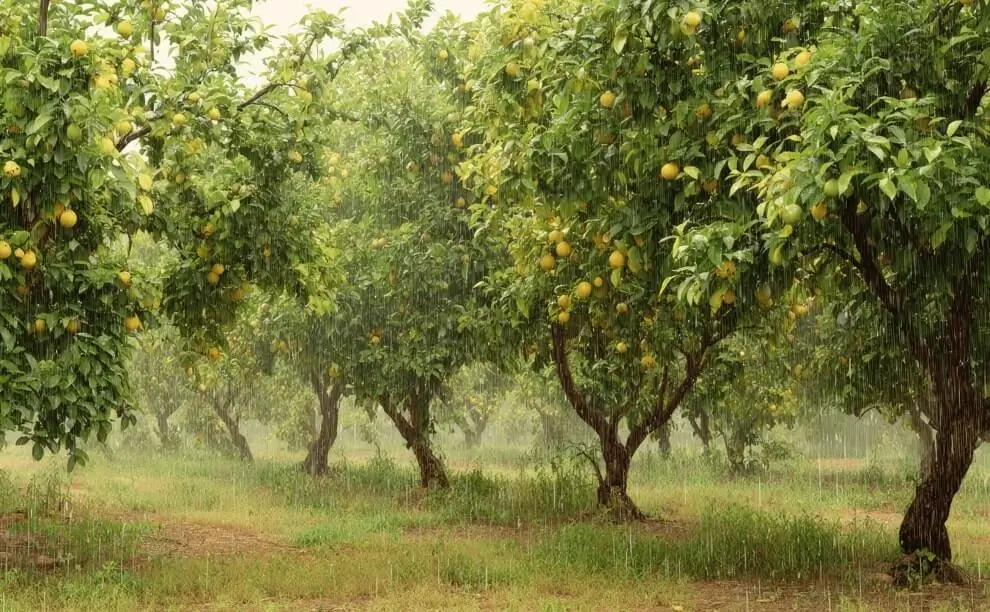
Growing fruit trees near the coast can be rewarding, but it also comes with unique challenges that many container gardeners underestimate. Coastal environments expose potted fruit trees to salt-laden winds, high humidity, sandy soils, and fluctuating temperatures—all of which can weaken growth, damage leaves, and reduce fruit production. Understanding how these stress factors affect your trees is essential to keeping them healthy and productive. In this guide, you’ll discover the main causes of coastal climate stress and practical, proven solutions to protect your potted fruit trees and help them thrive even in seaside conditions.
Why Coastal Climate Stress Matters for Container Fruit Gardening
Container fruit trees are already more sensitive than in-ground trees, and coastal climates amplify that vulnerability.
Key Coastal Stress Factors
1. Salt Spray and Salty Air
Ocean winds carry microscopic salt particles that settle on leaves and soil. Salt damages leaf tissue, interferes with water uptake, and builds up in potting mixes faster than in garden soil.
2. Strong, Dry Winds
Coastal winds rapidly dehydrate leaves and containers, leading to leaf burn, dropped flowers, and aborted fruit—especially in citrus, peach, and avocado trees.
3. Intense Sun Reflection
Light bouncing off water, sand, or light-colored walls increases leaf scorch and heat stress in containers.
4. Poor-Quality Irrigation Water
In many coastal regions, tap or well water contains dissolved salts that slowly accumulate in pots.
5. Shallow Root Zones
Containers restrict root growth, making fruit trees less able to buffer against temperature swings and moisture loss.
If unmanaged, these factors reduce photosynthesis, weaken roots, and dramatically shorten the lifespan of container fruit trees.
How Coastal Climate Stress Shows Up in Fruit Trees
Before fixing the problem, it’s important to recognize the symptoms.
Common Signs of Coastal Stress
- Brown or crispy leaf edges (salt burn)
- Yellowing leaves despite regular watering
- Premature flower drop
- Poor fruit set or small, misshapen fruit
- Stunted new growth
- White salt crust on soil surface or pot rim
Many gardeners mistake these symptoms for nutrient deficiency or pests. In reality, the root cause is often environmental stress amplified by containers.
If your trees also show damage during heatwaves, review this related guide on preventing sun scorch on potted fruit trees to avoid overlapping stress factors.
Step-by-Step Solutions to Reduce Coastal Climate Stress on Fruit Trees
Step 1: Choose the Right Placement
Location matters more than fertilizer in coastal gardening.
Best placement tips:
- Position pots away from direct ocean-facing winds
- Use walls, railings, or fences as wind buffers
- Avoid heat-reflective surfaces like white walls or metal railings
- Rotate containers every 1–2 weeks to balance sun exposure
A sheltered east-facing or partially shaded spot often produces healthier growth than full, exposed sun.
Step 2: Use Wind Protection Strategically
Permanent or temporary wind protection drastically reduces salt and moisture loss.
Effective options include:
- Shade cloth (30–50%) during hot, windy periods
- Bamboo screens or lattice panels
- Grouping containers to reduce airflow between pots
Even a small windbreak can lower leaf dehydration by over 40%.
Step 3: Select Salt-Tolerant Fruit Trees (When Possible)
Some fruit trees naturally handle coastal conditions better than others.
More tolerant choices for containers:
- Fig
- Pomegranate
- Loquat
- Olive
- Guava
- Certain citrus varieties (especially kumquat and mandarin)
Sensitive trees like apple, pear, and avocado require extra protection but can still succeed with careful management.
Step 4: Optimize Container Size and Material
Small pots intensify salt and heat stress.
Best practices:
- Use containers at least 15–25 gallons for fruit trees
- Choose thick plastic, ceramic, or fabric grow bags to moderate temperature
- Ensure multiple drainage holes to flush salts effectively
If your trees struggle with weak growth cycles, this article on why fruit trees become leggy in containers explains how pot size and stress interact.
Step 5: Build a Coastal-Friendly Soil Mix
Standard potting soil breaks down quickly in coastal conditions.
Ideal soil mix components:
- High-quality potting mix (base)
- Compost or worm castings (nutrient buffer)
- Perlite or pumice (drainage)
- Coco coir (moisture retention without salt buildup)
Avoid garden soil—it compacts and traps salts.
Step 6: Flush Salts Regularly
Salt accumulation is one of the biggest hidden killers of potted fruit trees near the coast.
How to flush properly:
- Water slowly until excess drains freely from the bottom
- Repeat every 4–6 weeks
- Increase frequency during hot, windy seasons
If your water source is saline, collect rainwater whenever possible.
Step 7: Adjust Watering for Coastal Conditions
Windy coastal climates dry containers faster—but overwatering still harms roots.
Smart watering tips:
- Water deeply, not frequently
- Morning watering reduces salt concentration on leaves
- Avoid wetting foliage during windy conditions
If winter stress is also an issue in your region, see how winter dormancy affects container fruit trees for seasonal adjustments.
Tools, Containers, and Care Tips That Make a Difference
Essential Tools for Coastal Container Gardeners
- Soil moisture meter – prevents over- and under-watering
- Organic slow-release fertilizer – avoids salt spikes
- Mulch (bark, straw, or wood chips) – reduces evaporation
- Pruning shears – remove damaged growth promptly
Mulching alone can lower root-zone temperatures by 5–10°F in summer.
Common Mistakes Beginners Make
Many problems blamed on “bad climate” are actually avoidable mistakes.
Avoid These Pitfalls
- Using small decorative pots
- Ignoring salt buildup on soil surface
- Over-fertilizing stressed trees
- Leaving pots fully exposed year-round
- Failing to rinse leaves after heavy salt winds
If your trees stop flowering altogether, the issue may be compounded—this guide on why fruit trees fail to produce fruit explains how stress disrupts flowering cycles.
FAQ: Coastal Climate Stress on Fruit Trees
1. Can fruit trees really grow well near the ocean?
Yes. With proper placement, soil management, and wind protection, many fruit trees thrive in coastal container gardens.
2. How do I know if salt is damaging my fruit tree?
Look for brown leaf edges, white crust on soil, and poor water absorption despite frequent watering.
3. Should I rinse salt off fruit tree leaves?
Yes—gently rinse leaves with fresh water after heavy coastal winds to prevent salt burn.
4. Are raised beds better than containers in coastal areas?
Raised beds help, but containers allow greater control over soil quality and salt flushing.
5. How often should I fertilize fruit trees near the coast?
Use light, organic feed every 6–8 weeks during active growth. Avoid high-salt synthetic fertilizers.
Conclusion: Growing Fruit Trees Successfully in Coastal Climates
Coastal climate stress on fruit trees is real—but it’s manageable. By understanding how salt, wind, sun, and containers interact, you can make smart adjustments that dramatically improve tree health and fruit production. Larger containers, better soil mixes, regular salt flushing, and strategic placement often make the difference between a struggling tree and a productive one.
Start by improving shelter and container size, then refine watering and soil care. With consistency and observation, even beginners can enjoy fresh fruit from potted trees—right by the sea.