
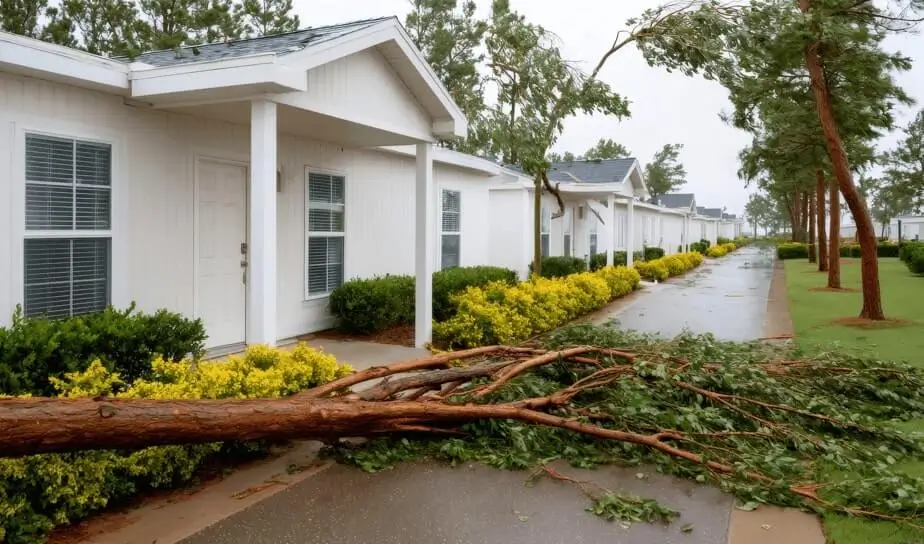
Strong winds can be surprisingly harmful to balcony fruit trees, causing broken branches, leaf loss, root instability, and even stunted growth. Container-grown trees are especially vulnerable due to their limited support and exposure in elevated spaces. Understanding how wind affects your plants and applying simple protective strategies can help keep your balcony garden healthy, stable, and productive all year round.
Why Wind Damage Matters for Container Fruit Gardening
Wind affects fruit trees in containers far more than those planted in the ground. On balconies, airflow is stronger, more turbulent, and often constant.
1. Containers Offer Less Stability
Unlike in-ground trees, container fruit trees rely entirely on the pot for anchorage. Strong winds can:
- Rock the root ball repeatedly
- Break fine feeder roots
- Cause the tree to lean or fall over
Over time, this instability slows growth and reduces fruit production.
2. Wind Increases Water Loss
Wind strips moisture from leaves and soil through evaporation. Even well-watered pots can dry out rapidly, leading to:
- Leaf scorch
- Dropping flowers or young fruit
- Chronic water stress
This problem often overlaps with issues discussed in heat stress in container fruit trees, where dehydration plays a major role.
3. Physical Damage Reduces Yield
Constant movement causes:
- Broken branches
- Torn leaves
- Flower drop during bloom
If your fruit tree struggles to flower or hold fruit, wind exposure may be a hidden factor—similar to problems explained in guides about fruit trees not flowering in containers.
How to Identify Wind Damage on Balcony Fruit Trees
Before fixing the problem, it’s important to recognize the symptoms.
Common Signs of Wind Stress
- Curled, shredded, or brown-edged leaves
- Bare branches on the wind-facing side
- Soil pulling away from pot edges
- Leaning trunks or exposed roots
- Flowers falling before setting fruit
If your tree looks healthy but never thrives, wind damage may be working silently in the background.
Step-by-Step Solutions to Prevent Wind Damage on Balcony Fruit Trees
Step 1: Choose the Right Balcony Position
Placement alone can reduce wind exposure by 50% or more.
Best positioning tips:
- Place trees near solid walls, not railings
- Avoid corner balconies where wind accelerates
- Group plants together to create a natural buffer
Even moving pots 30–50 cm away from the railing can make a noticeable difference.
Step 2: Use Windbreaks (Temporary or Permanent)
Windbreaks slow air movement without blocking light.
Effective balcony windbreak options:
- Bamboo or reed fencing
- Shade cloth (30–50% density)
- Clear polycarbonate panels
- Trellis with climbing plants
The goal is to diffuse, not completely block, the wind. Solid barriers can create turbulence that causes more damage.
Step 3: Increase Container Weight and Stability
Light pots are a major cause of wind-related problems.
How to stabilize containers:
- Use heavier materials (ceramic, terracotta, concrete)
- Add gravel or stones to the bottom of pots
- Choose wider containers instead of tall, narrow ones
This also helps protect roots from sudden temperature changes, a topic covered in articles about cold damage in potted fruit trees.
Step 4: Stake Young or Top-Heavy Trees Correctly
Staking prevents snapping while still allowing natural movement.
Proper staking technique:
- Use 1–2 sturdy stakes, not rigid poles
- Tie with soft, flexible material (rubber or cloth)
- Allow slight movement to strengthen the trunk
Avoid tying the trunk too tightly—this weakens structural development.
Step 5: Prune Strategically to Reduce Wind Resistance
Overgrown canopies act like sails.
Wind-smart pruning tips:
- Remove crossing and weak branches
- Keep a balanced, open structure
- Avoid heavy pruning during active growth
Light, regular pruning improves airflow and reduces the risk of breakage.
Step 6: Improve Soil Structure and Root Health
Strong roots anchor trees better.
Best practices:
- Use well-draining, high-quality potting mix
- Avoid compacted or exhausted soil
- Repot root-bound trees every 2–3 years
Healthy roots also help trees recover faster from environmental stress like wind and heat.
Tools, Containers, and Care Tips for Windy Balconies
Best Containers for Wind-Prone Areas
- Wide-base pots (minimum 40–50 cm diameter)
- Containers with drainage holes to prevent waterlogging
- Heavy pots with low center of gravity
Mulching for Extra Protection
Mulch reduces moisture loss and stabilizes soil temperature.
Recommended mulches:
- Pine bark
- Coconut coir
- Straw (secured to prevent blowing away)
Mulching complements watering strategies often discussed in container fruit tree care guides.
Watering Adjustments
Windy balconies may require:
- More frequent watering
- Morning irrigation to reduce stress
- Checking soil moisture daily during windy periods
Common Mistakes Beginners Make
Avoid these frequent errors when dealing with wind damage on balcony fruit trees:
- Ignoring wind exposure during setup
- Using lightweight plastic pots in high places
- Over-staking trees so trunks never strengthen
- Installing solid wind barriers that create turbulence
- Assuming leaf damage is only due to pests or heat
Many gardeners misdiagnose wind damage as nutrient deficiency or disease, delaying the right solution.
FAQ: Wind Damage on Balcony Fruit Trees
Can strong wind kill a potted fruit tree?
Yes. Prolonged wind stress can dry out roots, break branches, and weaken the tree over time, eventually causing death—especially in young or grafted trees.
Which fruit trees tolerate wind better on balconies?
Olive, fig, citrus on dwarf rootstock, and pomegranate generally handle wind better than peaches or apricots, though all benefit from protection.
Is it better to bring fruit trees indoors during storms?
Temporary shelter during extreme storms is helpful, but long-term indoor placement usually reduces light and airflow, causing other problems.
How much wind is too much for container fruit trees?
Consistent winds above 25–30 km/h can cause stress. Gusty, turbulent wind is more damaging than steady airflow.
Do balcony railings make wind damage worse?
Yes. Railings often funnel and accelerate wind, making nearby pots more vulnerable unless shielded.
Conclusion: Protect Your Balcony Fruit Trees from Wind Stress
Wind damage on balcony fruit trees is a silent yield killer—but it’s also one of the easiest problems to fix once you understand it. By improving placement, stabilizing containers, using smart windbreaks, and maintaining healthy roots, you can dramatically reduce stress and boost fruit production.
Start by observing how wind moves across your balcony, then apply one or two solutions from this guide. Over time, your trees will grow stronger, flower better, and reward you with healthier harvests—even in challenging, windy spaces.