
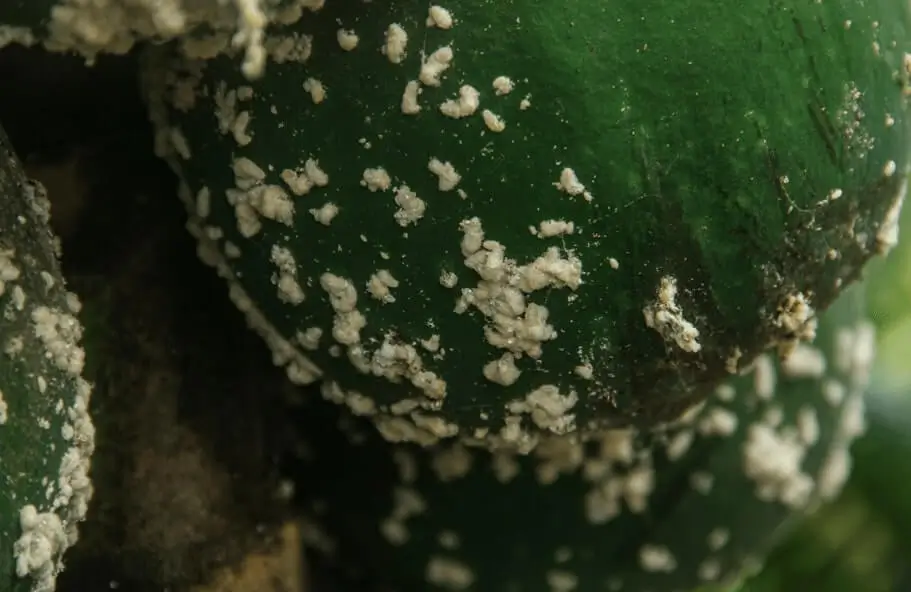
Mealybugs are a common yet frustrating pest for anyone growing fruit trees in containers. These tiny, cotton-like insects hide in leaf joints and stems, feeding on plant sap and weakening your tree over time. If left untreated, they can stunt growth, reduce fruit production, and even lead to plant decline. The good news is that with early identification and the right treatment methods, you can effectively eliminate mealybugs and prevent them from returning. This guide will walk you through how to spot, control, and protect your potted fruit trees from mealybug infestations.
Why Mealybugs Are a Serious Problem for Container Fruit Trees
Container fruit trees are more vulnerable to mealybugs than in-ground trees for several reasons:
- Limited root space increases stress, making trees easier targets
- Warm, sheltered patios and balconies favor pest reproduction
- No natural predators indoors or on balconies
- Overwatering and excess nitrogen create ideal conditions
Mealybugs feed by sucking sap from leaves, stems, and sometimes roots. This weakens the tree and leads to:
- Yellowing or curling leaves
- Stunted growth
- Sticky residue (honeydew)
- Black sooty mold
- Poor flowering and fruit drop
If you’re already dealing with sap-sucking pests, you may find it helpful to compare symptoms with those described in our guide on aphids on potted fruit trees, since the early signs are often confused.
How to Identify Mealybugs on Potted Fruit Trees (Early Signs)
Catching mealybugs early makes control much easier. Check your trees weekly, especially during warm months.
Common Visual Signs
- White, cottony clumps on stems, leaf joints, or fruit
- Sticky leaves or pot rims (honeydew)
- Ant activity around the pot (ants protect mealybugs)
Less Obvious Signs
- Slow growth despite good care
- Leaves dropping without clear cause
- Wilting even when soil moisture is correct
Pro tip: Always inspect the underside of leaves and the branch junctions. Mealybugs love hidden spots.
Step-by-Step: How to Get Rid of Mealybugs on Potted Fruit Trees
Step 1: Isolate the Affected Tree
Move the infested pot away from other plants immediately. Mealybugs spread easily by contact.
Step 2: Manual Removal (Best for Light Infestations)
For small outbreaks, physical removal works extremely well.
You’ll need:
- Cotton swabs or soft cloth
- Rubbing alcohol (70%)
How to do it:
- Dip the swab in alcohol
- Dab directly onto each mealybug
- Wipe off residue
This kills them on contact without harming the tree when used carefully.
Step 3: Wash the Tree Thoroughly
Rinse the entire plant with a strong stream of water:
- Focus on leaf joints and stems
- Repeat every 3–4 days for 2 weeks
This step alone can drastically reduce populations.
Step 4: Apply an Organic Treatment
For persistent mealybugs, use one of these options:
Insecticidal Soap
- Safe for edible plants
- Spray thoroughly, including undersides
- Repeat weekly
Neem Oil (Best All-Round Option)
- Disrupts feeding and reproduction
- Use in early morning or evening
- Avoid spraying during extreme heat
Consistency matters more than strength. Multiple light applications work better than one heavy spray.
Step 5: Check the Roots (Often Overlooked)
If mealybugs keep returning, you may have root mealybugs.
Signs include:
- White fuzz on soil surface
- Tree declining despite treatment
Solution:
- Remove tree from pot
- Gently wash roots
- Repot with fresh soil
If you’re already repotting, follow best practices from our guide on repotting fruit trees in containers without shock to avoid additional stress.
Preventing Mealybugs from Coming Back (Long-Term Control)
Improve Growing Conditions
Healthy trees resist pests better.
- Ensure good drainage
- Avoid constant wet soil
- Use breathable pots when possible
If your tree spends part of the year indoors, review our article on moving fruit trees indoors safely to reduce pest carryover.
Avoid Over-Fertilizing
Too much nitrogen causes:
- Soft, pest-attracting growth
- Rapid mealybug reproduction
Use slow-release or organic fertilizers sparingly.
Control Ants
Ants protect mealybugs in exchange for honeydew.
- Apply sticky barriers on pots
- Keep the area clean
- Remove nearby ant nests
Inspect New Plants
Always quarantine new plants for 2 weeks before placing them near fruit trees.
Common Mistakes Beginners Make with Mealybugs
- ❌ Using strong chemical pesticides indoors
- ❌ Spraying once and stopping too early
- ❌ Ignoring the soil and roots
- ❌ Overwatering stressed trees
- ❌ Treating symptoms, not causes
Many mealybug problems start when trees are already stressed. Seasonal stress is especially common after winter—our guide on winter dormancy in container fruit trees explains how weakened trees attract pests in spring.
Tools, Soil & Container Tips That Reduce Mealybug Risk
Best Soil Practices
- Use well-draining fruit tree mix
- Refresh topsoil annually
- Avoid reused, unsterilized soil
Container Choices
- Pots with multiple drainage holes
- Light-colored containers (cooler roots)
- Elevated pots for airflow
Helpful Tools
- Hand sprayer
- Soft brush
- Sticky traps (monitoring only)
FAQ: Mealybugs on Potted Fruit Trees
Are mealybugs harmful to fruit?
Yes. Heavy infestations reduce fruit size, cause drop, and weaken future yields.
Can I use vinegar to kill mealybugs?
No. Vinegar can damage leaves and bark. Stick to alcohol, soap, or neem oil.
How long does it take to eliminate mealybugs?
Most infestations clear within 2–4 weeks with consistent treatment.
Do mealybugs live in soil?
Yes. Root mealybugs are common in containers and often missed.
Will mealybugs spread to other plants?
Absolutely. Always isolate infected plants immediately.
Conclusion: Take Control Before Mealybugs Take Over
Mealybugs on potted fruit trees may look intimidating, but with early action and consistent care, they’re completely manageable. Focus on manual removal, organic treatments, healthy growing conditions, and prevention.
Your next steps:
- Inspect all potted fruit trees today
- Isolate any affected plants
- Start treatment immediately
- Improve soil, watering, and airflow
Healthy container fruit trees don’t just resist pests—they reward you with stronger growth and better harvests. Stay proactive, and mealybugs won’t stand a chance. 🌱🍎