
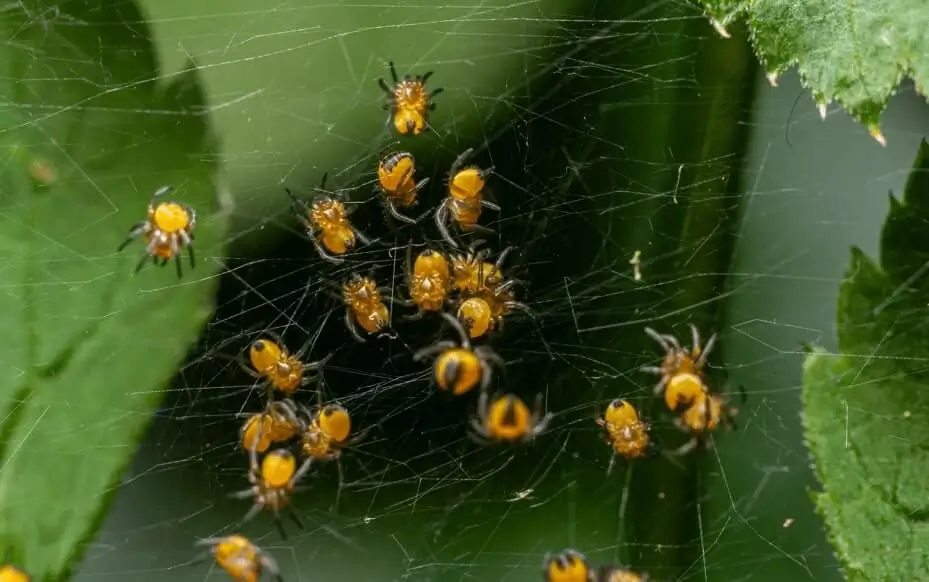
Spider mites are one of the most common and damaging pests affecting container fruit trees, especially in warm, dry conditions. These tiny sap-sucking pests can quickly weaken your plants, causing yellowing leaves, fine webbing, and reduced fruit production. If left untreated, infestations can spread rapidly and severely impact tree health. In this guide, you’ll learn how to identify spider mites early, apply effective treatments, and use proven prevention strategies to keep your container fruit trees healthy and thriving.
Why Spider Mites Are a Serious Problem for Container Fruit Trees
Spider mites thrive in conditions that are very common in container fruit gardening. Understanding why they appear is the first step toward controlling them.
Container Environments Favor Spider Mites
Potted fruit trees experience more stress than in-ground trees due to:
- Faster soil drying
- Higher root-zone temperatures
- Limited airflow on balconies or patios
- Frequent exposure to reflected heat from walls or pavement
Spider mites love hot, dry, and still air, making containers the perfect environment for outbreaks.
Rapid Reproduction in Pots
Spider mites reproduce extremely fast. In warm weather, a full life cycle can take as little as 5–7 days. On a stressed container tree, populations can explode before you notice visible damage.
Higher Risk for Common Container Fruit Trees
Some fruit trees are especially vulnerable when grown in pots, including:
- Citrus (lemon, lime, orange)
- Fig trees
- Apple and pear trees
- Stone fruits like peach and apricot
If you’re already dealing with leaf discoloration or poor growth, spider mites may be compounding the problem—similar to other stress-related issues discussed in this guide on container fruit trees not fruiting properly on GrowFruitly.
How to Identify Spider Mites on Container Fruit Trees
Spider mites are microscopic, but the damage they cause is very distinctive.
Early Warning Signs
Check your trees regularly for:
- Tiny yellow or white dots (stippling) on leaves
- Dull or dusty-looking foliage
- Leaves losing their deep green color
These symptoms often appear first on older, lower leaves.
Advanced Infestation Symptoms
If left untreated, spider mites cause:
- Fine webbing between leaves and stems
- Dry, crispy leaves
- Leaf drop and stunted growth
- Reduced flowering and fruit development
A simple test: gently tap a leaf over white paper. If you see tiny moving dots, you’re likely dealing with spider mites.
Step-by-Step: How to Get Rid of Spider Mites on Container Fruit Trees
Step 1: Isolate the Affected Tree
Immediately move the infected container away from other plants. Spider mites spread easily, especially in tight growing spaces.
Step 2: Wash the Leaves Thoroughly
Use a strong stream of water to spray:
- The underside of leaves (most important)
- Leaf joints and stems
Do this early in the morning. Repeating this every 2–3 days can dramatically reduce populations.
Step 3: Increase Humidity Around the Plant
Spider mites hate moisture. You can:
- Mist leaves lightly in the morning
- Place the pot on a humidity tray
- Group plants together (without touching)
If your trees are on a rooftop or balcony, this ties closely to airflow and heat issues explained in rooftop fruit tree growing challenges on GrowFruitly.
Step 4: Apply Organic Treatments
Effective options include:
- Insecticidal soap (spray underside of leaves)
- Neem oil (use in the evening to avoid leaf burn)
- Horticultural oil (smothers mites and eggs)
Apply every 7 days for at least 2–3 cycles to break the life cycle.
Step 5: Prune Severely Infested Areas
If some branches are heavily webbed or damaged:
- Prune them off
- Dispose of them in sealed bags
- Clean pruning tools afterward
Preventing Spider Mites in Container Fruit Gardening
Prevention is much easier than treatment.
Water Management Matters
Underwatered trees are far more susceptible. Maintain consistent moisture—something especially important during heat waves. You may find this complements the advice in how to water fruit trees in containers properly on GrowFruitly.
Improve Airflow
- Avoid overcrowding pots
- Elevate containers slightly
- Rotate trees weekly for even exposure
Keep Leaves Clean
Dusty leaves attract spider mites. Periodically rinse foliage, especially in dry climates or urban environments.
Use Preventive Neem Oil
A light neem oil spray every 3–4 weeks during warm seasons can prevent infestations before they start.
Common Mistakes Beginners Make with Spider Mites
Ignoring the Underside of Leaves
Most treatments fail because gardeners only spray the top of the leaves. Spider mites live underneath.
Spraying During Hot Sun
Oils and soaps can burn leaves if applied midday. Always spray early morning or evening.
Overusing Chemical Pesticides
Harsh chemicals:
- Kill beneficial insects
- Increase mite resistance
- Make future infestations worse
Treating Once and Stopping
Spider mite eggs survive most sprays. Skipping follow-up treatments almost guarantees a comeback.
Best Tools and Care Tips for Managing Spider Mites
Essential Tools
- Handheld pressure sprayer
- Magnifying glass or phone camera zoom
- Soft microfiber cloth for leaf cleaning
Soil and Container Tips
- Use well-draining potting mix
- Avoid compacted soil
- Choose containers with adequate drainage holes
Healthy roots lead to stronger foliage that resists pests—especially during stressful seasonal transitions like those discussed in spring dormancy in container fruit trees.
FAQ: Spider Mites on Container Fruit Trees
Can spider mites kill a potted fruit tree?
Yes, severe infestations can weaken trees significantly, reducing fruiting and sometimes killing young or stressed container trees.
Are spider mites worse indoors or outdoors?
They’re more common indoors and on sheltered balconies where airflow is limited and humidity is low.
How long does it take to get rid of spider mites?
With consistent treatment, most infestations can be controlled within 2–3 weeks.
Can I use dish soap instead of insecticidal soap?
It’s not recommended. Dish soaps can damage leaves. Use products specifically labeled for plants.
Will spider mites come back every year?
They can, especially in hot, dry climates. Preventive care is key.
Conclusion: Protecting Your Container Fruit Trees Long-Term
Spider mites on container fruit trees are a common but manageable problem. With early detection, proper washing, organic treatments, and improved growing conditions, you can stop infestations before they cause lasting damage. The key is consistency—regular inspections, correct spraying techniques, and reducing plant stress through proper watering and airflow.
As a next step, review your container setup, adjust watering habits, and consider preventive neem oil treatments during warm months. Healthy, well-managed trees are naturally more resistant to pests—and far more rewarding when harvest season arrives.