
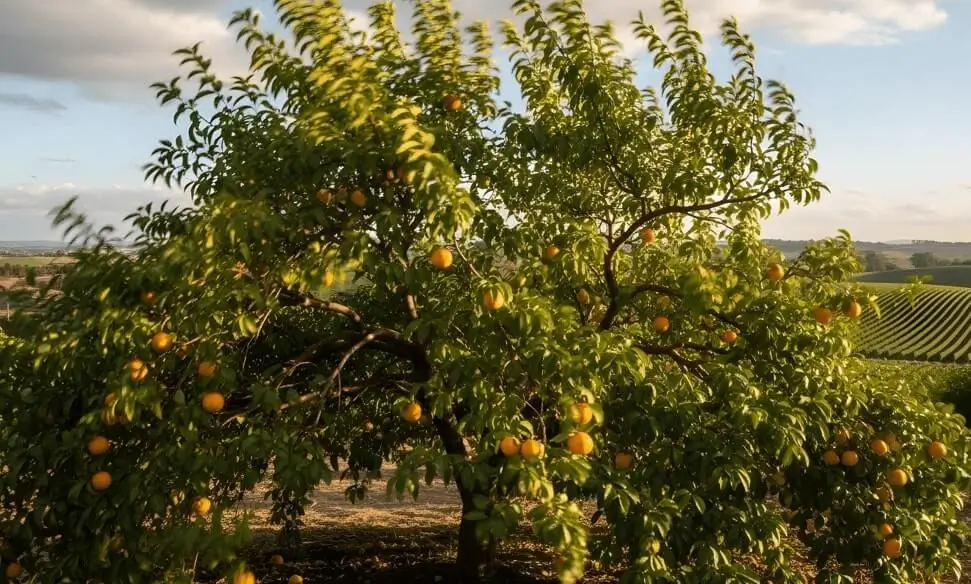
Sudden temperature fluctuations can seriously impact container-grown fruit trees, causing stress, reduced growth, and even long-term damage. Unlike in-ground trees, potted fruit trees are more vulnerable because their roots are exposed to rapid environmental changes. Understanding how these temperature shifts affect your plants—and how to protect them—can help you maintain healthy, productive trees throughout the year.
Why Sudden Temperature Changes Effects Matter in Container Fruit Gardening
Container fruit trees live in a much more fragile environment than trees planted in the ground. Understanding why sudden temperature changes effects are so severe in pots helps you prevent long-term damage.
Containers Heat Up and Cool Down Faster
Pots—especially plastic, ceramic, or metal—absorb and release heat rapidly. This means:
- Roots can overheat on sunny days
- Soil temperatures can drop sharply at night
- Roots experience stress long before leaves show symptoms
If you’ve ever noticed healthy-looking foliage suddenly collapsing after a temperature swing, root stress is usually the hidden cause.
Roots Are the Most Vulnerable Part
Roots regulate water uptake, nutrient absorption, and overall plant stability. Sudden temperature changes effects often show up as:
- Temporary wilting even when soil is moist
- Yellowing leaves without clear nutrient deficiency
- Stalled growth or poor flowering
This is especially common during early spring and late fall when days and nights vary widely.
Flowering and Fruit Set Are Easily Disrupted
Temperature shock during flowering can cause:
- Blossom drop
- Poor pollination
- Misshapen or aborted fruit
If your fruit tree flowers well but fails to produce fruit, temperature fluctuations may be the real culprit rather than pruning or feeding mistakes. For a deeper look at this issue, see our guide on why container fruit trees fail to flower and fruit consistently.
Sudden Temperature Changes Effects: Common Symptoms to Watch For
Recognizing early warning signs allows you to act before permanent damage occurs.
Above-Ground Symptoms
- Leaf curl or scorch after heat spikes
- Sudden leaf drop after cold nights
- Soft, limp growth despite adequate watering
These issues are often confused with pests or diseases, leading gardeners to treat the wrong problem.
Below-Ground Symptoms (Often Missed)
- Roots turning brown or mushy after cold stress
- Dry, brittle roots from heat stress
- Slowed root growth affecting overall vigor
If you’ve struggled with trees declining despite good care, sudden temperature changes effects may explain what’s happening underground.
Step-by-Step Solutions to Protect Container Fruit Trees
Managing sudden temperature changes effects doesn’t require expensive equipment—just smart planning and consistent habits.
Step 1: Choose the Right Container Material
Container choice plays a major role in temperature stability.
Best options:
- Thick terracotta or glazed ceramic (moderate insulation)
- Fabric grow bags (excellent airflow, reduced heat buildup)
Avoid if possible:
- Thin black plastic pots in full sun
- Metal containers that heat up rapidly
Using insulated containers helps buffer roots from rapid temperature shifts.
Step 2: Use Soil That Regulates Temperature
Soil structure affects how heat and cold move through the pot.
A good container fruit tree mix should:
- Drain well but retain moisture
- Include organic matter for insulation
- Avoid compacting over time
If your tree frequently suffers stress during weather changes, upgrading your soil can make a dramatic difference. Learn more in our article on choosing the best soil mix for container fruit trees.
Step 3: Master Strategic Pot Placement
Where you place your container can reduce sudden temperature changes effects by up to 50%.
Smart placement tips:
- Move pots near walls to benefit from retained warmth at night
- Provide afternoon shade during heatwaves
- Avoid windy, exposed balconies that amplify temperature swings
For limited-light spaces, our guide on growing fruit trees on north-facing balconies offers practical placement solutions.
Step 4: Mulch to Insulate Roots
Mulching isn’t just for in-ground gardens—it’s essential for containers.
Use:
- Straw or shredded bark
- Coconut coir
- Compost topped with wood chips
Mulch helps:
- Slow down soil temperature changes
- Reduce moisture loss
- Protect surface roots from heat and cold
Apply a 2–5 cm layer, keeping it away from the trunk.
Step 5: Adjust Watering During Temperature Swings
Sudden temperature changes effects are amplified by incorrect watering.
During heat spikes:
- Water early morning
- Avoid cold water on hot roots
- Check moisture daily
During cold snaps:
- Reduce watering slightly
- Avoid soggy soil that chills roots
- Ensure good drainage
If you’ve noticed leaf burn during hot weather, see our detailed guide on leaf scorch caused by excessive sun in potted fruit trees.
Common Beginner Mistakes That Worsen Temperature Stress
Even well-meaning care can make sudden temperature changes effects worse.
Moving Pots Too Abruptly
Shifting a tree from full sun to deep shade (or indoors) suddenly can shock it just as much as weather changes. Gradual transitions are key.
Overfeeding During Stress
Fertilizing stressed trees can:
- Burn roots
- Stimulate weak growth
- Increase vulnerability to temperature extremes
Wait until stable conditions return before feeding.
Ignoring Nighttime Temperatures
Many gardeners focus on daytime heat but forget cold nights. Even mild days followed by chilly evenings can cause damage—especially during spring flowering.
Tools and Practical Aids to Reduce Sudden Temperature Changes Effects
You don’t need high-tech gear, but a few simple tools can help.
Useful Tools
- Soil thermometer: Understand real root-zone temperatures
- Shade cloth (30–50%): Protect during heatwaves
- Plant blankets or fleece: Shield from cold nights
Seasonal Protection Techniques
- Wrap pots with burlap or bubble wrap in winter
- Elevate containers slightly to prevent cold transfer from floors
- Group pots together to create a warmer microclimate
These small adjustments make a big difference in long-term plant health.
Frequently Asked Questions About Sudden Temperature Changes Effects
Can sudden temperature changes kill container fruit trees?
Yes, especially young or newly transplanted trees. Roots are highly sensitive, and repeated temperature shock can lead to decline or death.
Why do my potted fruit trees wilt even when watered?
Sudden temperature changes effects often disrupt root function. Roots may be unable to absorb water properly, causing temporary wilting.
Are some fruit trees more tolerant of temperature swings?
Yes. Citrus, figs, and olives are more sensitive, while apples, pears, and some stone fruits handle fluctuations better.
Should I bring container fruit trees indoors during cold nights?
Only if temperatures drop below the tree’s tolerance. Frequent indoor-outdoor moves can cause more stress than brief cold exposure.
How fast do temperature changes affect roots in pots?
Very quickly—sometimes within hours. This is why container placement and insulation are so important.
Conclusion: Protecting Your Fruit Trees from Sudden Temperature Changes Effects
Sudden temperature changes effects are one of the biggest hidden challenges in container fruit gardening—but they’re also one of the easiest to manage with the right approach. By choosing proper containers, insulating roots, adjusting watering, and responding early to weather shifts, you can protect your trees from stress and ensure steady growth and fruiting.
Your next steps:
- Check your container materials and soil quality
- Improve pot placement and add mulch
- Monitor temperatures during seasonal transitions
With these strategies, your container fruit trees can thrive—even when the weather doesn’t cooperate.