
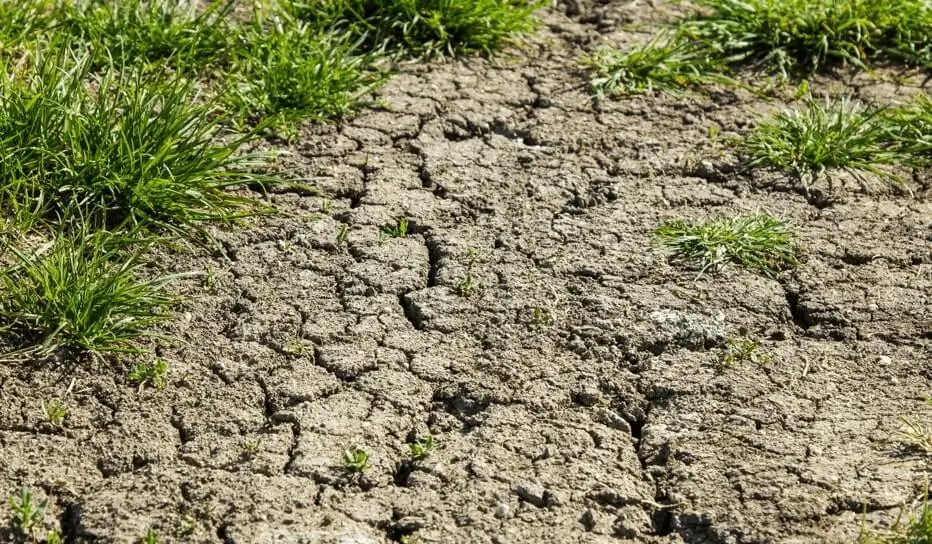
Dry, compacted soil that refuses to absorb water is a common but serious issue for container fruit trees. When soil becomes hydrophobic, water runs off instead of soaking in, leaving roots dehydrated and stressed. This guide explains why soil starts repelling water, how to recognize the warning signs early, and the most effective methods to restore proper moisture absorption so your fruit trees can thrive again.
Why Dry, Water-Repellent Soil Is a Big Problem for Container Fruit Gardening
Container fruit trees depend entirely on you for water and nutrients. Unlike garden soil, potting mix has limited volume and dries out much faster. When soil becomes extremely dry, it can shrink and pull away from the pot, creating gaps that let water escape without soaking in.
This matters because:
- Roots only absorb nutrients when moisture is present
- Repeated drought stress weakens flowering and fruit set
- Dry pockets lead to uneven root development
- You may think you’re watering enough—but the roots stay dry
If left untreated, hydrophobic soil often leads to problems that look like other issues, such as nutrient deficiency or disease. Many gardeners misdiagnose this and overcorrect, which makes things worse. For example, excessive watering can eventually cause root damage similar to what’s described in our guide on overwatering fruit trees in containers.
What Causes Soil to Repel Water?
Understanding the cause helps you choose the right fix. In container fruit gardening, water-repellent soil usually comes from one (or more) of these factors.
1. Severely Dried-Out Potting Mix
When potting soil dries completely, organic components like peat moss become waxy and resist water. Instead of absorbing moisture, the soil pushes it away.
2. Low-Quality or Old Potting Soil
Cheap mixes often break down quickly. Over time, they compact, lose structure, and stop absorbing water evenly.
3. Roots Filling the Entire Pot
Root-bound trees leave little room for soil. Water rushes through root channels and exits the drainage holes without hydrating the mix.
4. Hot Weather and Small Containers
Small pots heat up fast, accelerating evaporation. In summer, this can turn soil hydrophobic in just a few missed watering cycles.
How to Fix Dry Soil That Repels Water (Step-by-Step Solutions)
Step 1: Confirm the Soil Is Hydrophobic
Before fixing the problem, check what’s really happening:
- Water the pot slowly
- If water beads on the surface or runs out instantly, the soil is repelling water
- Insert your finger or a moisture meter 2–3 inches deep—if it’s dusty dry, you’ve found the issue
Step 2: Bottom-Water to Rehydrate the Soil
Bottom watering is one of the fastest ways to fix hydrophobic soil.
How to do it:
- Place the pot in a bucket, tub, or basin
- Fill with water halfway up the pot
- Leave it soaking for 20–45 minutes
- Remove and let excess water drain
This allows moisture to move upward through capillary action, slowly rehydrating the soil from the bottom.
Tip: This method is especially useful if your tree is already stressed and showing symptoms similar to those covered in our article on underwatering fruit trees in pots.
Step 3: Break the Surface Crust and Compact Areas
Dry soil often forms a hard crust on top.
- Use a chopstick, pencil, or soil aerator
- Gently poke holes around the surface (avoid damaging roots)
- This allows water to penetrate instead of running off
Do this before watering to improve absorption.
Step 4: Add a Soil Wetting Agent (Optional but Effective)
Soil wetting agents reduce surface tension and help water soak into dry soil.
Options include:
- Commercial soil surfactants (garden centers)
- DIY solution: a few drops of mild liquid soap per gallon of water
Use sparingly—this is a short-term fix, not a replacement for good soil structure.
Step 5: Improve the Potting Mix (Long-Term Fix)
If the problem keeps returning, the soil itself needs improvement.
Mix in:
- Coconut coir (excellent water retention without sogginess)
- Compost or worm castings
- High-quality fresh potting mix
Avoid garden soil—it compacts easily and worsens drainage issues, which can later cause problems like those explained in our guide on fixing waterlogged soil in pots.
Step 6: Repot If the Tree Is Root-Bound
If water still runs straight through after soaking, your tree may be root-bound.
Signs include:
- Roots circling the pot
- Water exiting immediately from drainage holes
- Slow growth despite proper care
Repot into a container 1–2 inches wider with fresh, well-balanced potting mix.
Tools and Care Tips That Prevent Water-Repellent Soil
Choose the Right Container
- Use pots with adequate drainage holes
- Avoid very small containers for fruit trees
- Light-colored pots stay cooler and reduce drying
Mulch the Surface
A thin layer of mulch helps maintain moisture:
- Bark chips
- Straw
- Coconut husk
This also reduces soil crusting.
Water Correctly
- Water slowly and deeply
- Pause for 10–20 seconds, then water again
- This encourages absorption instead of runoff
Monitor Moisture Consistently
Uneven watering is one of the biggest triggers of hydrophobic soil. Inconsistent moisture also contributes to stress symptoms often mistaken for nutrient issues, such as those described in why fruit tree leaves turn yellow in containers.
Common Mistakes Beginners Make
- Watering faster instead of slower
- Replacing the plant instead of fixing the soil
- Using the same exhausted potting mix year after year
- Assuming more fertilizer will solve dry-soil stress
- Ignoring early signs of drought stress
These mistakes compound over time and can even lead to root problems similar to those discussed.
FAQ: Dry Soil That Repels Water
Why does water run straight through my plant pot?
Because the soil has become hydrophobic or the roots have displaced most of the mix, preventing absorption.
Can I fix hydrophobic soil without repotting?
Yes. Bottom watering and soil wetting agents often restore absorption, at least temporarily.
Is hydrophobic soil bad for fruit production?
Absolutely. Poor water absorption reduces nutrient uptake and weakens flowering and fruit set.
How often should I bottom-water?
Only when soil becomes water-repellent. Regular top watering with good technique is usually enough.
Should I replace all the soil?
If the mix is old, compacted, or repeatedly drying out, replacing or refreshing it is the best long-term solution.
Conclusion: Restore Healthy Water Flow and Strong Fruit Trees
Dry soil that repels water is a common—but fixable—problem in container fruit gardening. Once you understand how to fix dry soil that repels water, you can restore proper moisture flow, protect your tree’s roots, and get growth back on track. Start with bottom watering, improve soil structure, and adjust your watering habits to prevent the issue from returning.
Your next step? Check your containers today. If water runs off instead of soaking in, take action now—your fruit trees will reward you with healthier leaves, stronger roots, and better harvests.