
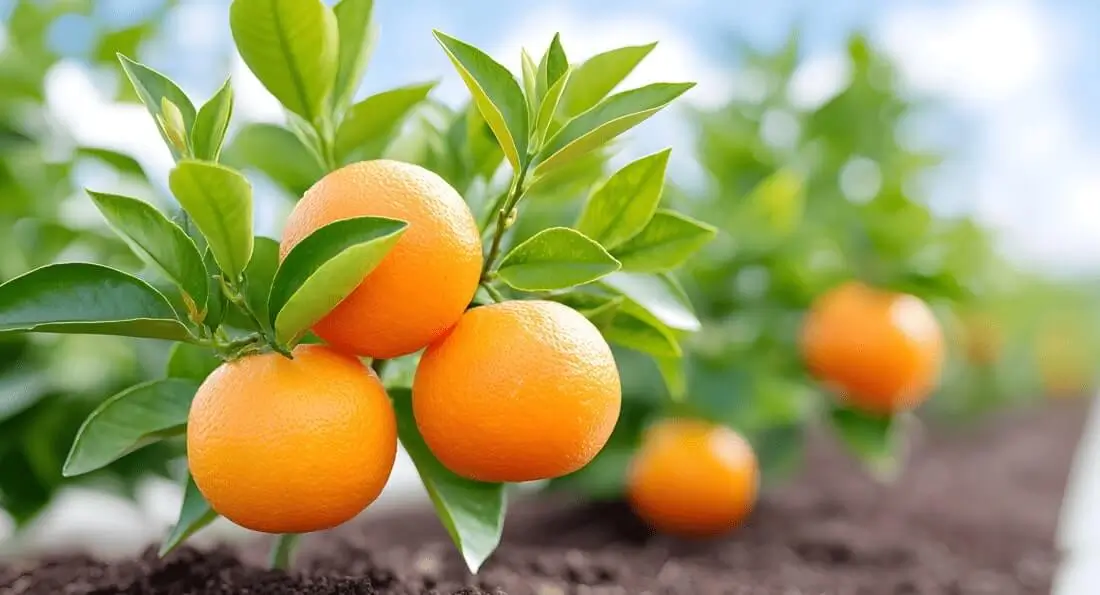
Growing orange trees in containers is one of the best ways to enjoy fresh citrus fruit even if you have limited gardening space. Whether you live in an apartment, have a small balcony, or simply want better control over your tree’s growing conditions, container gardening makes it possible to grow healthy and productive orange trees almost anywhere. With the right pot, proper soil, regular watering, and enough sunlight, potted orange trees can thrive for many years while adding beauty and fragrance to your outdoor or indoor space.
Why Growing Orange Trees in Containers Makes Sense
Container citrus gardening is especially popular among small-space growers—and for good reason.
Perfect for Small Spaces
If you garden on a balcony, terrace, or rented home, containers let you grow oranges where planting in the ground isn’t possible. Even a sunny corner can become a mini citrus orchard.
Easier Climate Control
Orange trees love warmth but suffer in frost. Growing them in containers lets you move plants indoors during cold months, as many gardeners do with lemons (see our guide on growing lemon trees in pots for climate strategies).
Better Soil and Drainage
Soil quality is one of the biggest challenges in citrus growing. Containers allow you to use a well-draining citrus-specific mix rather than relying on poor native soil.
Faster Growth and Fruiting
When properly cared for, container-grown orange trees often establish faster and fruit earlier than stressed in-ground trees.
Best Orange Tree Varieties for Containers
Not all orange trees are suitable for pots. Choose compact or dwarf varieties for best results.
Top container-friendly orange varieties:
- Dwarf Valencia Orange – Sweet, juicy, and productive
- Dwarf Navel Orange – Seedless and beginner-friendly
- Calamondin Orange – Compact size, ornamental and edible
- Trovita Orange – Good cold tolerance
👉 Tip: Always look for trees grafted onto dwarf or semi-dwarf rootstock.
Step-by-Step: How to Grow Orange Trees in Containers
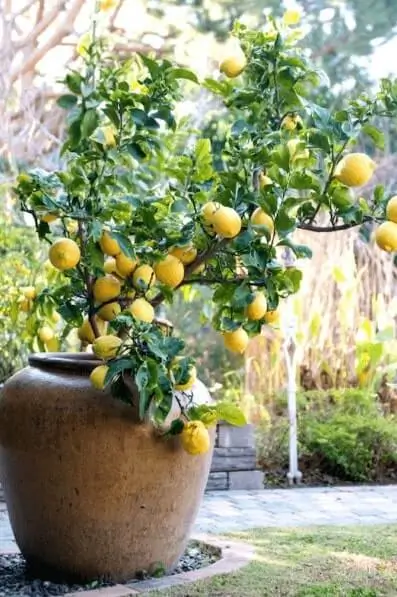
1. Choose the Right Container Size
Container size directly affects growth and fruiting.
- Young trees: Start with a 12–14-inch pot
- Mature trees: Upgrade to 20–24 inch containers
- Always choose pots with multiple drainage holes.
For sizing logic, follow the same principles outlined in our article on the best pot size for fruit trees, which applies equally to citrus.
Recommended materials:
- Plastic (lightweight, moisture-retentive)
- Terracotta (breathable but dries faster)
- Fabric grow bags (excellent drainage)
2. Use the Best Soil for Potted Orange Trees
Orange trees hate soggy soil. The ideal mix is light, airy, and fast-draining.
Best soil components:
- High-quality potting mix (base)
- Pine bark fines or coco coir
- Perlite or pumice
- Slightly acidic pH (6.0–6.5)
Avoid garden soil—it compacts easily and suffocates roots. If you want to DIY, our guide on homemade soil mix for fruit trees explains the exact ratios.
3. Proper Planting Technique
- Place a mesh over the drainage holes.
- Add soil so the root ball sits slightly above soil level.
- Backfill gently—don’t bury the graft union.
- Water deeply after planting
Mulch lightly with bark or straw, keeping it away from the trunk.
4. Sunlight Requirements
Orange trees need 6–8 hours of direct sunlight daily.
Best locations:
- South-facing patios
- Sunny balconies
- Near reflective walls for added warmth
If sunlight is limited, rotate the pot weekly to ensure even growth—an approach also recommended for fruit gardening in small spaces.
5. Watering Orange Trees in Containers
Watering mistakes are the #1 killer of container citrus.
General watering rules:
- Water deeply until the excess drains out
- Let the top 2 inches of soil dry before watering again.
- Reduce watering in winter.
Signs of overwatering include yellow leaves and leaf drop—covered in detail in our article on signs of overwatering fruit trees.
6. Fertilizing for Healthy Growth and Fruit
Container-grown orange trees need regular feeding.
Best fertilizer schedule:
- Spring to summer: every 2–3 weeks
- Fall: reduce frequency
- Winter: stop feeding if growth slows
Use a citrus-specific fertilizer rich in nitrogen, magnesium, and iron. Liquid fertilizers work faster, while slow-release options provide steady nutrition (compare both in our liquid vs granular fertilizer for fruit trees guide).
Seasonal Care Tips for Potted Orange Trees
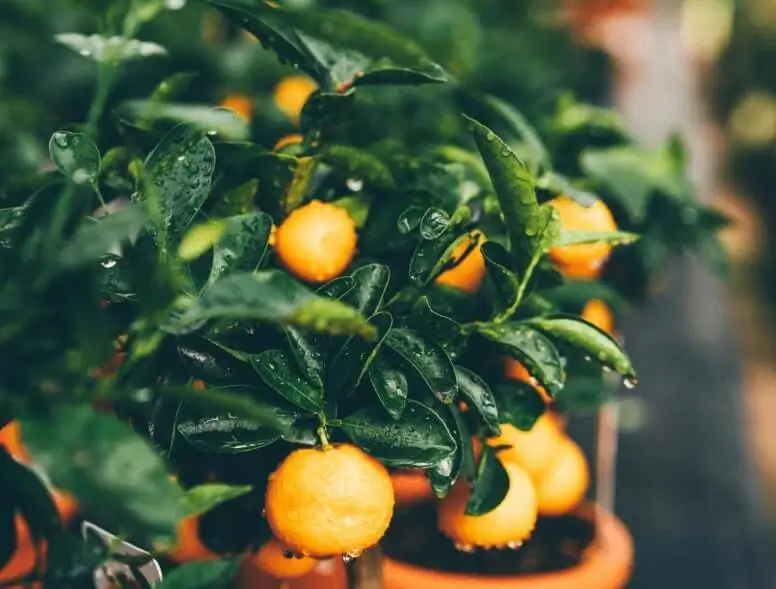
Winter Care
- Move indoors when temperatures drop below 40°F (4°C)
- Place near a bright window
- Water sparingly
Summer Care
- Increase watering frequency
- Protect pots from overheating.
- Ensure good airflow
Pruning
- Prune lightly in early spring.
- Remove dead or crossing branches.
- Shape for airflow and light penetration
Common Mistakes Beginners Make
- Using pots without drainage holes
- Overwatering “just in case.”
- Planting standard-sized orange trees in small pots
- Ignoring micronutrient deficiencies
- Leaving trees outdoors during frost
Avoiding these mistakes dramatically increases success rates.
Tools & Supplies You’ll Need
- Large container with drainage
- Citrus potting mix
- Balanced citrus fertilizer
- Moisture meter (optional but helpful)
- Pruning shears
- Plant caddy (for easy movement)
These tools are also essential for other citrus, like lemons and limes, making them long-term investments for container gardeners.
FAQ: Growing Orange Trees in Containers
Can orange trees really produce fruit in pots?
Yes. With proper sunlight, feeding, and watering, container-grown orange trees can produce full-sized, flavorful fruit.
How long does it take for a potted orange tree to fruit?
Most grafted trees fruit within 2–3 years, sometimes sooner under ideal conditions.
Can I grow orange trees indoors year-round?
They can survive indoors but perform best when moved outdoors during warm months.
Do orange trees need hand pollination?
No. Orange trees are self-pollinating, though outdoor airflow improves fruit set.
Why are my orange tree leaves turning yellow?
Common causes include overwatering, nutrient deficiencies, or poor drainage.
Conclusion: Your Next Steps to Success
Growing orange trees in containers is practical, rewarding, and surprisingly beginner-friendly. By choosing the right variety, using proper soil, watering correctly, and providing enough sunlight, you can enjoy fresh oranges even in the smallest spaces.
Start with one healthy dwarf tree, follow the steps in this guide, and build confidence season by season. As your skills grow, you can expand into other container citrus and fruit trees—turning your patio or balcony into a productive edible garden. 🌱🍊
Start with one healthy dwarf tree, follow the steps in this guide, and build confidence season by season. As your skills grow, you can expand into other container citrus and fruit trees—turning your patio or balcony into a productive edible garden. 🌱🍊