
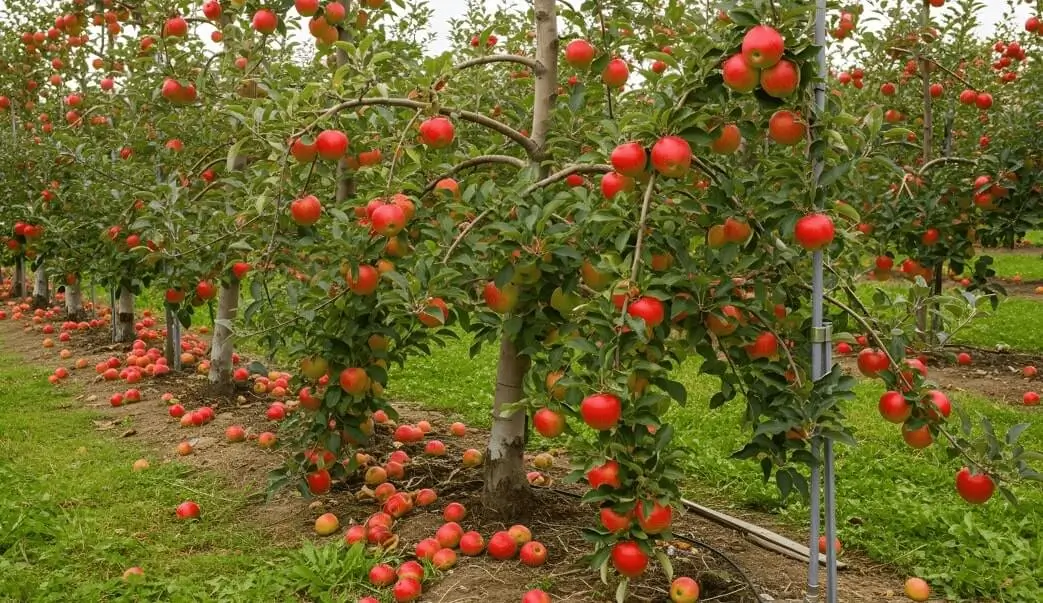
Growing fruit trees in containers is one of the best ways to enjoy fresh harvests in small spaces, but many gardeners become frustrated when their trees grow healthy leaves without producing any fruit. The good news is that fruit trees not producing fruit in pots is usually caused by a few common issues that can be corrected with proper care. From insufficient sunlight and poor pollination to watering mistakes and lack of nutrients, understanding the real cause is the first step toward restoring healthy fruit production. In this guide, you’ll discover why fruit trees don’t produce fruit in pots and learn simple, proven solutions to help your container trees bloom and produce abundant harvests again.
Why This Matters for Container Fruit Gardening
Container fruit gardening is not just “gardening in a smaller pot.” When a fruit tree grows in a container, every aspect of its life is controlled by you—from root space to water, nutrients, and exposure.
Unlike trees planted in the ground, potted fruit trees:
- Have limited root systems
- Depend entirely on you for nutrients.
- Are more sensitive to watering mistakes
- May struggle with pollination in small spaces
Understanding these differences is essential. If you ignore them, your tree may grow leaves year after year without ever producing fruit. Many growers facing this issue are actually dealing with multiple small problems combined, not a single major mistake.
If you’re new to container growing, our in-depth guide on growing fruit trees in containers successfully explains the fundamentals that make fruiting possible.
The Most Common Reasons Fruit Trees Don’t Produce Fruit in Pots
1. The Pot Is Too Small
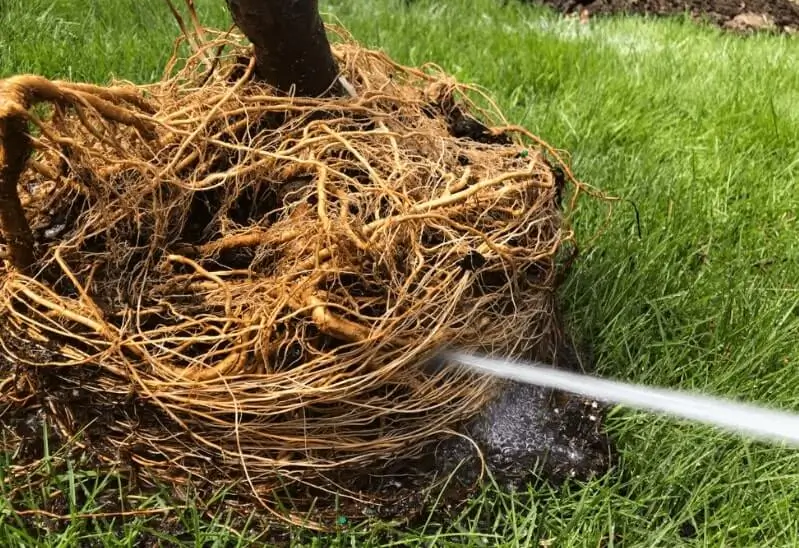
One of the biggest reasons fruit trees don’t produce fruit in pots is restricted root space.
When roots become crowded:
- Flower production decreases
- Fruit drop increases
- The tree focuses on survival, not reproduction.
Most fruit trees need progressively larger containers as they mature. A young tree may survive in a small pot, but fruiting requires room.
Solution
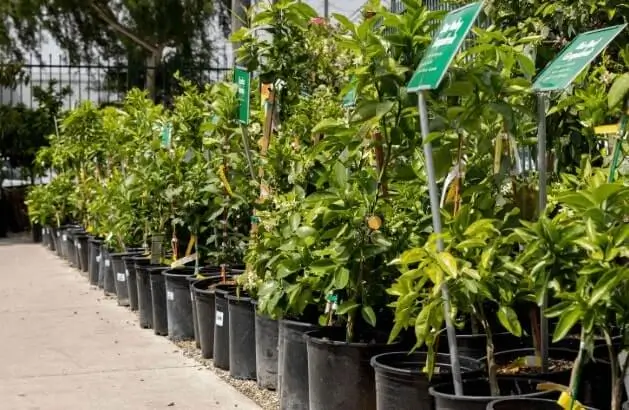
- Start with a container of at least 15–20 gallons for dwarf fruit trees.
- Upgrade to 25–30 gallons once the tree matures.
- Ensure excellent drainage to prevent root rot.
For specific sizing advice, check our detailed breakdown of the best pot size for fruit trees in containers.
2. Too Much or Too Little Water
Watering issues are a silent fruit killer. Even experienced gardeners struggle with this.
Overwatering causes:
- Root rot
- Flower drop
- Excess leaf growth with no fruit
Underwatering causes:
- Stress during flowering
- Premature fruit drop
- Poor fruit development
Container trees dry out faster than ground-planted trees, especially in summer.
Solution
- Water deeply until it drains from the bottom
- Let the top 2–3 inches of soil dry before watering again.
- Adjust frequency based on season and temperature.
If you’re unsure, our comprehensive guide to watering fruit trees in pots correctly will help you build a reliable watering schedule.
3. Lack of Proper Fertilization
Healthy leaves don’t always mean healthy fruiting.
Many potted fruit trees fail to produce fruit because:
- They receive too much nitrogen.
- They lack phosphorus and potassium.
- Fertilizer timing is incorrect.
Excess nitrogen encourages leaf growth at the expense of flowers and fruit.
Solution
- Use a balanced or fruit-specific fertilizer.
- Reduce nitrogen once flowering begins.
- Feed consistently during the growing season.
For precise timing and fertilizer types, see how often to fertilize fruit trees in pots.
4. Not Enough Sunlight
Sunlight directly affects flowering and fruit development.
Most fruit trees need:
- 6–8 hours of direct sunlight daily
- Bright light during the flowering season
Balconies and patios often have partial shade, which limits fruit production.
Solution
- Move containers to the sunniest location available.
- Rotate pots every few weeks for even light exposure.
- Avoid placing trees near walls that block the sun.
Citrus and figs are especially sensitive to low light.
5. Poor Pollination
Many gardeners don’t realize that pollination can be a problem in containers, especially in urban environments.
Pollination issues occur when:
- There are no pollinators nearby.
- The variety is not self-fertile.
- Flowers drop before pollination.
Solution
- Choose self-pollinating fruit tree varieties.
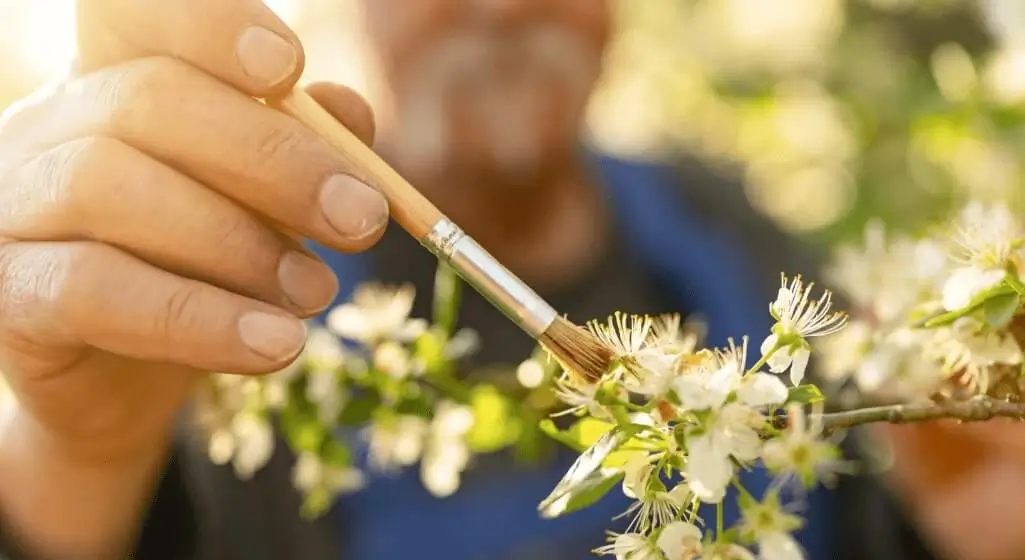
- Hand-pollinate using a small brush
- Grow companion flowering plants nearby.
This is particularly important for apples, pears, and stone fruits.
6. Improper Pruning
Incorrect pruning can delay fruiting for years.
Common pruning mistakes include:
- Removing fruiting wood
- Over-pruning young trees
- Pruning at the wrong time of year
Solution
- Learn the fruiting habits of your specific tree.
- Prune lightly in the early years.
- Avoid heavy pruning before flowering.
If your tree grows well but never flowers, pruning is often the hidden cause.
7. Tree Age and Variety
Sometimes the answer is simple: your tree isn’t ready yet.
Many fruit trees need:
- 2–5 years before fruiting
- Proper chilling hours (for temperate fruits)
- The right climate for their variety
A young tree may flower but drop fruit early as it matures.
Solution
- Be patient with young trees.
- Choose dwarf or patio varieties bred for containers.
- Match fruit type to your climate
Step-by-Step Fix Plan for Non-Fruiting Potted Fruit Trees
- Check pot size and root health.
- Adjust watering schedule
- Switch to fruit-focused fertilizer.
- Increase sun exposure
- Improve pollination
- Review pruning practices
- Confirm tree maturity and variety.
Fixing just one of these may not be enough—successful fruiting usually comes from correcting multiple factors together.
Common Beginner Mistakes to Avoid
- Keeping fruit trees in decorative pots without drainage
- Overfeeding with nitrogen-rich fertilizer
- Moving containers too often during flowering
- Expecting instant fruit from young trees
- Ignoring seasonal care differences
Avoiding these mistakes alone dramatically increases your chances of fruit production.
Tools, Soil, and Container Tips That Boost Fruiting
- Use well-draining, nutrient-rich potting mix.
- Choose breathable containers (fabric or terracotta)
- Add mulch to regulate soil moisture.
- Elevate pots for better drainage.
- Use slow-release fertilizers combined with liquid feeding.
For soil selection, our guide on the best soil mix for potted fruit trees explains exactly what works.
FAQ: Why Fruit Trees Don’t Produce Fruit in Pots
Why does my fruit tree flower but not set fruit?
This is usually caused by poor pollination, stress from watering issues, or excess nitrogen.
How long does it take for a potted fruit tree to produce fruit?
Most dwarf fruit trees take 2–3 years, while others may need up to 5 years.
Can I successfully grow fruit trees on a balcony?
Yes, with enough sunlight, proper container size, and consistent care.
Should I repot my fruit tree if it’s not fruiting?
If the roots are crowded or circling the pot, repotting can significantly improve fruiting.
Do fruit trees in pots need special fertilizer?
Yes. Container trees need more frequent feeding with balanced, fruit-specific nutrients.
Conclusion: Turn Healthy Growth Into Real Harvests
If you’ve been wondering why fruit trees don’t produce fruit in pots, the answer is rarely a mystery—it’s usually a combination of pot size, care routines, and environment. Container-grown fruit trees can be incredibly productive when their needs are consistently met.
Start by correcting the basics: give your tree enough space, sunlight, balanced nutrition, and water. Be patient with young trees, avoid common mistakes, and fine-tune your care over time.
With the right adjustments, your potted fruit tree can go from leafy and disappointing to healthy, productive, and rewarding—even in the smallest space.