
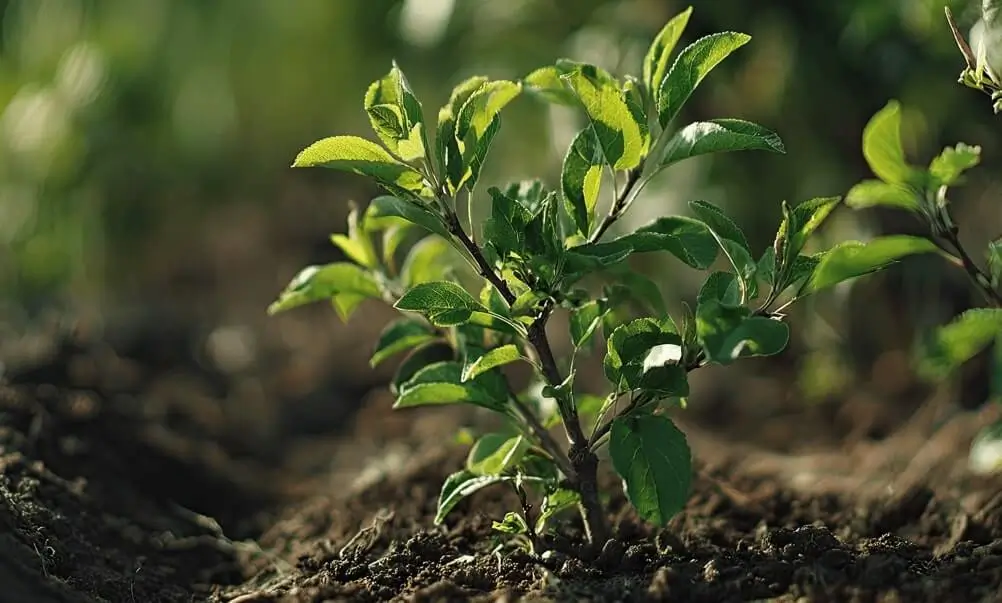
Growing fruit trees in sandy soil may seem challenging, but with the right approach, it’s absolutely possible. Sand drains quickly and often lacks nutrients, yet many fruit trees can still thrive when gardeners improve moisture retention, organic matter, and nutrient balance. This guide explains the pros and cons of using sandy soil for container fruit gardening, which fruit trees perform best, and how to create healthier growing conditions for strong roots and better harvests.
Why This Topic Matters for Container Fruit Gardening
Understanding whether fruit trees can grow in sand is especially important for container gardeners and those with limited space.
Sandy Soil Is Common in containers.
Many low-quality potting mixes contain high sand content or behave like sand after a season of watering. If you’ve ever noticed water running straight through a pot, you’ve already seen sandy soil in action.
Drainage vs. Nutrition Balance
- Excellent drainage (to avoid root rot)
- Consistent moisture
- Steady access to nutrients
Sand provides drainage but fails at the other two—unless you modify it properly. This balance is a core principle discussed in our guide on balancing drainage and moisture for container plants, which becomes even more critical when sand is involved.
Cost and Accessibility
In many regions, especially dry or coastal areas, sand is cheap and readily available. Knowing how to improve it can save money while opening the door to growing fruit trees almost anywhere.
Can Fruit Trees Grow in Sand? The Short Answer
Yes—but not in pure sand.
Pure sand alone is not suitable for long-term fruit tree growth. However, sand can be part of a successful soil mix when combined with organic matter and structure-building ingredients.
What Happens If You Plant Directly in Sand?
- Water drains too fast.
- Nutrients wash away quickly.
- Roots struggle to anchor.
- Trees show weak growth and poor fruiting.
This is why improving the sand is essential before planting, especially in containers.
How Sandy Soil Affects Fruit Trees
Pros of Sandy Soil
- Excellent drainage
- Lower risk of waterlogged roots
- Warms up quickly in the spring
Cons of Sandy Soil
- Poor water retention
- Low nutrient-holding capacity
- Requires frequent fertilizing
- Dries out fast in hot weather
If you’ve struggled with dry pots or frequent watering, you may also benefit from learning soil moisture retention tips for container fruit trees, which pair perfectly with sandy mixes.
Step-by-Step: How to Grow Fruit Trees Successfully in Sandy Soil
Step 1: Never Use Pure Sand in Containers
Pure sand compacts over time and becomes hydrophobic when dry. Always treat sand as a component, not the base.
Ideal ratio for containers:
- 30–40% sand
- 40–50% organic matter
- 10–20% aeration materials
Step 2: Add Organic Matter to Hold Water and Nutrients
Organic matter is the key to making sand usable.
Best options:
- Finished compost
- Aged manure
- Coconut coir
- Leaf mold
These materials:
- Improve moisture retention
- Feed beneficial microbes
- Reduce nutrient leaching
If you’re unsure what type to use, our article on using garden compost safely in pots explains how to avoid common compost-related mistakes.
Step 3: Improve Structure with Aeration Materials
While sand drains well, roots still need oxygen and stability.
Add:
- Perlite for lightweight drainage
- Pine bark fines for structure
- Small amounts of vermiculite for moisture buffering
Choosing the right amendment matters—especially if you’re deciding between moisture-holding and drainage materials. This is explored in detail in our comparison of perlite vs vermiculite for container gardening.
Step 4: Choose the Right Fruit Trees for Sandy Conditions
Some fruit trees tolerate sandy soil better than others, especially in containers.
More tolerant options:
- Fig trees
- Pomegranates
- Citrus (with proper feeding)
- Olive trees
More sensitive options:
- Apple trees
- Pear trees
- Cherry trees
Regardless of type, ensure your container depth matches root needs. Many problems blamed on sand are actually caused by shallow pots—covered in our guide on how deep soil should be for fruit trees.
Step 5: Adjust Watering Practices
Sandy soil dries faster, so watering must be:
- Deep
- Consistent
- Timed correctly
Tips:
- Water until excess drains from the bottom
- Check moisture 2–3 inches below the surface.
- Use mulch to slow evaporation.
Incorrect watering in sandy mixes is one of the most common beginner errors and often overlaps with broader soil problems in container gardening.
Step 6: Fertilize More Frequently (But Lightly)
Nutrients wash out of sand quickly.
Best approach:
- Use slow-release organic fertilizers.
- Apply smaller doses more often.
- Supplement with liquid feeds during active growth.
Avoid heavy feeding in one go—it won’t stay in the soil long enough to help.
Common Mistakes Beginners Make with Sandy Soil
Using Playground or Construction Sand
These sands are too fine and compact easily, suffocating roots.
Skipping Organic Matter
Sand without compost is the fastest way to weak growth and yellow leaves.
Overwatering to Compensate
Excess watering flushes nutrients even faster, worsening the problem.
Ignoring Mulch
Mulch is not optional in sandy soil—it’s essential for moisture control and root protection.
Tools, Containers, and Care Tips That Make a Big Difference
Best Containers for Sandy Mixes
- Deep pots with multiple drainage holes
- Fabric grow bags (improve root air pruning)
- Avoid shallow decorative planters.
Mulching Is Critical
Use:
- Straw
- Bark chips
- Coconut husk
Mulch reduces evaporation and stabilizes soil temperature—especially helpful in hot climates.
Regular Soil Refresh
Sandy mixes degrade faster. Replace or amend container soil every 1–2 years. If you’re unsure when to do this, watch for signs your potting soil needs changing, such as poor drainage or stunted growth.
FAQ: Can Fruit Trees Grow in Sand?
Can fruit trees grow in pure sand?
No. Pure sand lacks nutrients and moisture retention. Fruit trees need amended sand with organic matter.
Is sandy soil better than clay for fruit trees?
Sandy soil is easier to improve in containers. Clay holds nutrients but often causes drainage problems.
Do fruit trees need more fertilizer in sandy soil?
Yes. Sandy soil leaches nutrients quickly, so lighter but more frequent feeding works best.
Can citrus trees grow in sandy soil?
Yes, citrus often prefers well-draining soil, but only when organic matter is added to hold nutrients.
How often should I water fruit trees in sandy soil?
More often than loamy soil, but always deeply. Check moisture below the surface before watering again.
Conclusion: Turning Sand into a Productive Growing Medium
So, can fruit trees grow in sand? Absolutely—but only when sand is treated as a foundation, not a finished solution. By adding organic matter, improving structure, choosing the right containers, and adjusting watering and fertilizing habits, sandy soil can become a highly productive environment for fruit trees—especially in containers and small spaces.
Your next steps:
- Evaluate your current soil mix.
- Add compost and structure if sand-heavy
- Choose fruit trees suited to fast-draining soil.
- Monitor moisture and nutrients closely.
With the right approach, sand doesn’t limit your fruit-growing potential—it simply requires smarter management.