
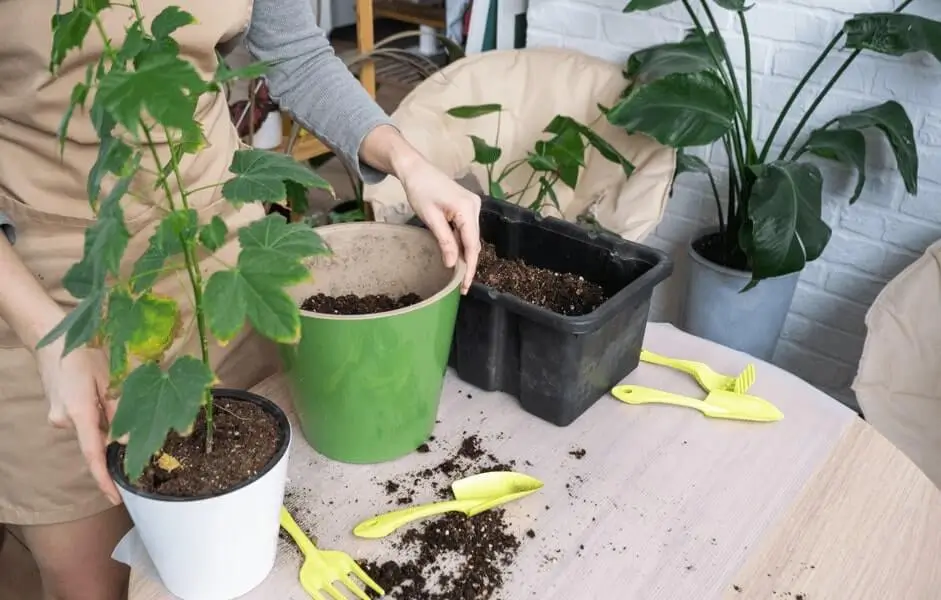
Growing fruit in containers is one of the easiest and most rewarding ways to enjoy fresh harvests at home, even if you have limited space. Whether you have a small balcony, patio, rooftop, or tiny backyard, container fruit gardening allows you to grow delicious fruits almost anywhere. This beginner-friendly guide walks you through the entire process step by step, from choosing the right containers to harvesting healthy fruit trees successfully.
Growing fruit trees in containers offers:
- Space efficiency — perfect for balconies and patios.
- Flexibility — move containers to follow sunlight or avoid frost.
- Better control over soil, water, and pests.
Inspired by fruit gardening in small spaces, container setups allow even city dwellers to create lush mini-orchards. According to the Royal Horticultural Society guide to container fruit growing, this method helps maximize yield and maintain healthy plants in any environment.
A university-based guide on growing fruit crops in containers (PDF) further confirms that container fruit trees can thrive year-round with consistent care.
1. Choosing the Right Containers
Before planting, consider how the pot affects your fruit’s growth. If you want design inspiration, check out creative fruit container ideas — it’s packed with visual examples.
Ideal container traits:
- Size: 10–12 inches deep for berries; 18–24 inches for dwarf trees.
- Material:
- Plastic for moisture retention.
- Terracotta for airflow.
- Wooden barrels for insulation.
- Drainage: At least 3–4 holes to prevent root rot.
- Mobility: Wheels or pot stands make repositioning easier.
Tip: Use larger pots to support root expansion and steady moisture.
2. Selecting the Best Fruit Varieties for Containers
Not all fruits thrive in pots. Choose compact, self-pollinating varieties suited for small gardens.
Explore the best fruits for container gardening before making your selection.
Top choices include:
- 🍓 Strawberries and blueberries
- 🍋 Citrus trees
- 🍑 Dwarf peaches and cherries
- 🍎 Columnar apples
Learn more about managing dwarf fruit trees in pots from GrowFruitly’s complete guide.
Pro tip: Self-pollinating fruits like figs and lemons are beginner-friendly and high-yielding.
3. Potting Mix and Soil Preparation
A healthy potting mix creates a thriving root environment. The fruit plants for containers guide emphasizes soil aeration and organic nutrition as key to success.
Mix recipe:
- 2 parts potting soil
- 1 part compost
- 1 part perlite or coarse sand
Maintain a pH of 6.0–6.5, and replace soil every two years for freshness.
4. Step-by-Step Planting Guide
- Add gravel to the pot base.
- Fill half with soil mix.
- Place plant, spreading roots evenly.
- Top up soil, leaving space for watering.
- Water well and mulch to retain moisture.
Once planted, your journey to grow an abundant mini orchard in pots truly begins — as explained in this helpful GrowFruitly guide.
5. Watering, Feeding & Light Requirements
Consistency keeps container plants happy:
- Watering: When top inch of soil is dry.
- Feeding: Fertilize every 3 weeks with organic compost tea.
- Light: 6–8 hours of direct sunlight daily.
Balanced care = abundant fruiting.
6. Pruning, Training & Pollination
Pruning:
- Remove dead or crossing branches.
- Maintain an open canopy for airflow.
Training:
- Espalier or columnar shapes save space.
Pollination:
- Encourage bees with nearby flowers.
- Hand-pollinate when needed.
Healthy container fruit trees reward you with better yields and faster growth.
7. Pest and Disease Control
Stay organic:
- Use neem oil for aphids and mites.
- Avoid overwatering.
- Maintain airflow between pots.
Vigilance and cleanliness are key to disease-free fruit gardening.
8. Harvesting and Long-Term Success
Harvest when fruits are fully colored and fragrant.
Repot every 2–3 years, trimming roots lightly.
Over time, your container orchard will mature into a sustainable mini-harvest system.
9. Conclusion
Inspired by fruit gardening in small spaces, this is your sign to start today and turn even the tiniest patio into a thriving fruit haven.