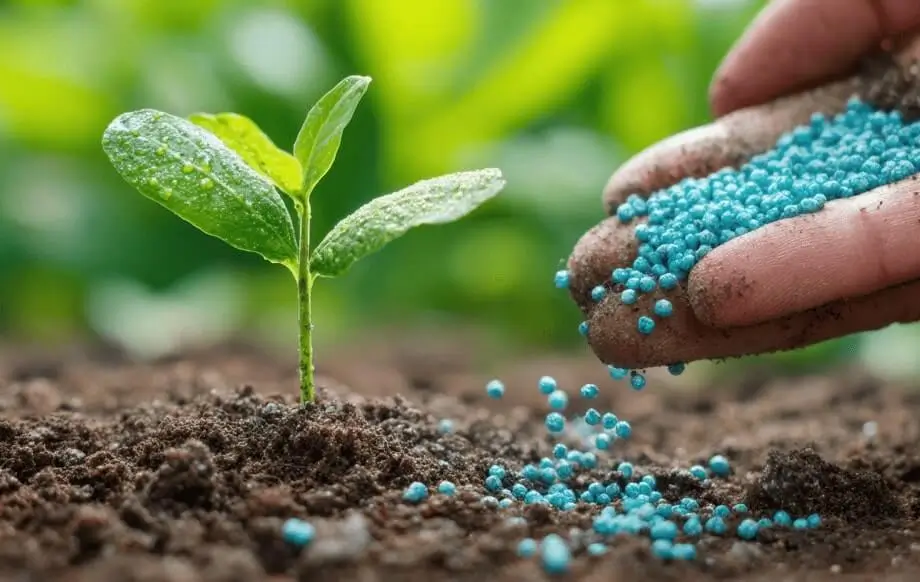
Choosing the best fertilizer for flowering and fruiting is one of the most important steps in successful container fruit gardening. Unlike plants grown in the ground, container fruit plants rely entirely on the nutrients available inside their pots. Over time, watering washes nutrients away, making regular fertilizing essential for healthy blooms, stronger roots, and larger harvests.
The right fertilizer helps fruit plants produce more flowers, improve fruit quality, increase sweetness, and support continuous growth throughout the growing season. Whether you grow citrus trees, strawberries, blueberries, figs, or dwarf fruit trees in containers, understanding how fertilizers work can dramatically improve your results.
In this guide, you’ll learn how to choose the best fertilizer for flowering and fruiting container plants, when to apply it, common mistakes to avoid, and the best feeding strategies for healthy harvests all season long.
Why Fertilizer Choice Matters for Flowering & Fruiting in Containers
Flowering and fruiting are nutrient-intensive stages.
When a plant switches from leaf growth to reproduction, its nutrient
needs change dramatically. It requires:
- Phosphorus (P) to support flower formation and root energy
- Potassium (K) to improve fruit set, size, flavour, and disease resistance
- Balanced micronutrients like boron, magnesium, and zinc for pollination and fruit development
Containers magnify fertilizer mistakes.
In pots:
This is why choosing the best fertilizer for flowering & fruiting—not just “any fertilizer”—is critical for success in container fruit gardening.
Understanding NPK for Flowering and Fruiting
Before choosing a product, you need to understand fertilizer labels.
What NPK numbers really mean
Fertilizers are labelled with three numbers, such as 5-10-10:
- N (Nitrogen): Leaf and stem growth
- P (Phosphorus): Flowers, roots, and energy transfer
- K (Potassium): Fruit quality, sugar development, stress tolerance
For flowering and fruiting plants in containers, lower nitrogen and higher phosphorus and potassium are usually ideal.
Ideal NPK ranges for flowering & fruiting.
While needs vary slightly by crop, these general ranges work well for most container fruit plants:
- Nitrogen (N): Low to moderate
- Phosphorus (P): Moderate to high
- Potassium (K): High
Balanced formulas can still work early in the season, but once buds appear, switching to a bloom-boosting fertilizer makes a big difference. If you want a deeper understanding of nutrient roles, see our guide on nitrogen, phosphorus, and potassium explained for container gardening.
Types of Fertilizers That Work Best for Flowering & Fruiting
There’s no single “perfect” fertilizer for everyone. The best choice depends on your plant type, schedule, and gardening style.
1. Slow-release fertilizers (best for consistency)
Slow-release or controlled-release fertilizers are excellent for container fruit plants because they:
- Feed steadily over weeks or months.
- Reduce the risk of nutrient burn.
- Support long-term flowering and fruiting.
Look for formulations labelled for fruit trees, blooming plants, or vegetables, with higher potassium content. These are ideal if you prefer low-maintenance feeding. Learn more about timing and application in our detailed guide to slow-release fertilizer for fruit trees.
2. Liquid fertilizers (best for fast results)
Liquid fertilizers work quickly and are useful when:
- Plants are flowering, but look weak.
- You notice poor fruit set.
- Containers are heavily watered, and nutrients leach fast.
Use diluted solutions every 1–2 weeks during flowering and early fruit development. Avoid high-nitrogen liquids at this stage.
3. Organic fertilizers (best for soil health)
Organic options improve both nutrition and soil biology:
- Compost-based blends
- Fish emulsion (low nitrogen versions)
- Seaweed or kelp extracts
- Bone meal and rock phosphate (slow phosphorus sources)
Organic fertilizers are gentler, making them ideal for beginners. If you’re deciding between organic and chemical fertilizers for container fruit gardening, compare them to see which fits your goals.
Step-by-Step: How to Fertilize for Maximum Flowers and Fruit
Step 1: Start with the right potting mix
Fertilizer alone can’t fix poor soil. Use a well-draining, nutrient-rich container mix. Heavy garden soil can impede root growth and reduce nutrient uptake. If your plants struggle despite feeding, check for underlying soil problems in container gardening.
Step 2: Feed lightly during early growth
In early spring, plants need some nitrogen to build leaves. Use a balanced fertilizer sparingly until buds form.
Step 3: Switch fertilizer when buds appear
Once you see flower buds:
- Reduce nitrogen
- Increase phosphorus and potassium.
- Apply fertilizer evenly around the root zone.
This transition is crucial and often overlooked.
Step 4: Maintain consistent feeding during fruit development
During fruit set and growth:
- Continue bloom/fruit fertilizer.
- Avoid sudden increases in strength.
- Water thoroughly after feeding
Consistency matters more than high doses.
Step 5: Stop or reduce feeding late in the season
As fruits ripen:
- Reduce feeding frequency
- Avoid stimulating new growth.
- Allow plants to focus energy on ripening.
Common Fertilizing Mistakes Beginners Make
Even experienced gardeners struggle with these issues in containers.
Overusing nitrogen
This is the #1 reason plants flower poorly. Too much nitrogen causes:
- Leafy growth
- Flower drop
- Delayed fruiting
Fertilizing dry soil
Always water first or fertilize with moist soil. Dry roots absorb salts quickly, increasing the risk of burning.
Ignoring micronutrients
Plants may get enough NPK but still fail due to micronutrient deficiencies. Yellowing leaves, poor fruit shape, or weak blooms can indicate a lack of essential nutrients.
Feeding on a fixed schedule
Plants don’t follow calendars—they respond to growth stages. Feeding without observing plant signals often leads to imbalance.
Tools, Containers, and Care Tips That Improve Fertilizer Results
Container size matters
Small pots limit nutrient storage. If plants flower poorly despite good feeding, consider upsizing or refreshing the soil. Our guide on refreshing old potting soil explains how to restore nutrients without repotting.
Soil pH affects nutrient availability.
Even perfect fertilizer won’t work if the pH is off. Most fruit plants prefer slightly acidic to neutral soil. You can easily check this using simple home methods explained in ” How to test soil pH at home.
Watering consistency boosts fertilizer efficiency.
Uneven watering causes nutrient stress. Overwatering leaches fertilizer; underwatering blocks uptake.
Mulching helps retain nutrients.
A thin organic mulch layer:
- Reduces evaporation
- Stabilizes soil temperature
- Improves nutrient availability
Best Fertilizer for Flowering & Fruiting by Plant Type
Citrus in containers
Citrus prefers:
- Moderate nitrogen
- High potassium
- Regular micronutrients (especially magnesium)
Avoid generic lawn fertilizers. Use formulas designed for citrus or fruiting plants.
Berries in pots
Berry plants need:
- Light but frequent feeding
- Good potassium during flowering
- Balanced micronutrients
Overfeeding reduces flavour and fruit quality.
Figs and dwarf fruit trees
These benefit from:
- Slow-release fertilizers
- Controlled nitrogen
- Consistent potassium supply
Poor fruiting often results from excessive nitrogen rather than a lack of nutrients.
Frequently Asked Questions (FAQ)
What NPK is best for flowering and fruiting?
In containers, fertilizers with lower nitrogen and higher phosphorus and potassium (for example, 4-6-8 or similar ratios) generally perform best during flowering and fruiting stages.
Can I use bloom fertilizer all season?
No. Bloom fertilizers are best used after bud formation. Early growth still requires some nitrogen for healthy leaves and structure.
How often should I fertilize container fruit plants?
This depends on the fertilizer type. Slow-release formulas last weeks or months, while liquid fertilizers are usually applied every 1–2 weeks during active flowering and fruiting.
Why do my plants flower but not produce fruit?
Common causes include excess nitrogen, nutrient imbalance, poor pollination, inconsistent watering, or micronutrient deficiencies.
Is organic fertilizer enough for heavy fruiting?
Yes, if applied correctly and consistently. Organic fertilizers work more slowly but improve soil health and long-term productivity in containers.
Conclusion: Choosing the Best Fertilizer for Flowering & Fruiting
Success in container fruit gardening depends on timing, balance, and observation. The best fertilizer for flowering & fruiting is not the strongest or most expensive—it’s the one that matches your plant’s growth stage and container conditions.
To recap:
- Reduce nitrogen once buds appear.
- Increase phosphorus and potassium for blooms and fruit.
- Choose slow-release or gentle liquid fertilizers.
- Support feeding with good soil, proper watering, and the correct pot size.
Start by adjusting your fertilizer strategy this season, observe how your plants respond, and fine-tune as needed. With the right approach, even small-space containers can deliver heavy blooms, reliable fruit set, and better-tasting harvests year after year.