
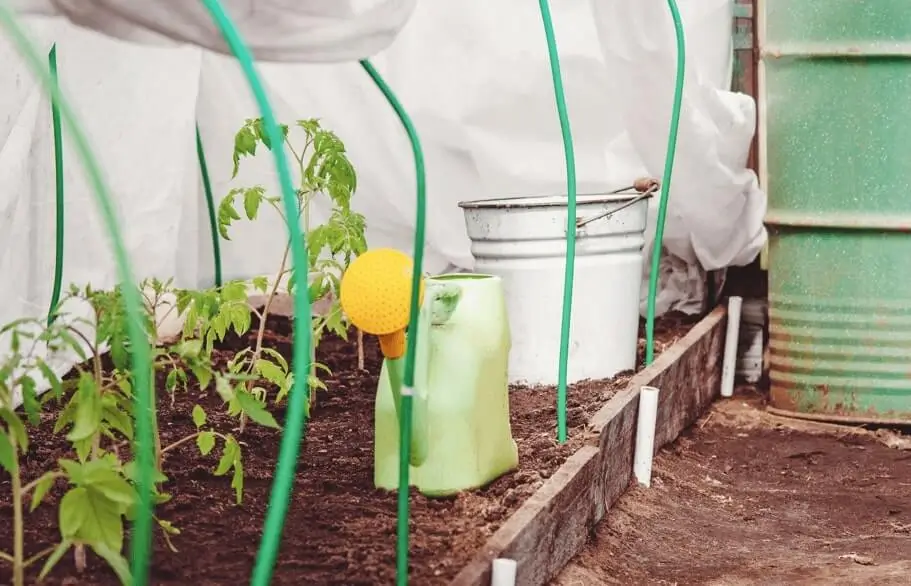
Winter can be one of the biggest challenges in container fruit gardening. Unlike plants grown directly in the ground, container plants are more exposed to freezing temperatures, icy winds, and sudden weather changes. Without proper protection, roots can freeze, containers may crack, and fruit trees can suffer long-term damage. Learning how to protect containers from cold weather is essential for keeping your plants healthy and productive year after year.
Why Protecting Containers From Cold Matters in Fruit Gardening
Container fruit gardening offers flexibility, but it comes with unique winter risks.
Roots Freeze Faster in Pots
In the ground, soil acts as insulation. In containers, roots are surrounded by cold air on all sides. When temperatures drop below freezing:
- Roots can freeze solid.
- Water uptake stops
- Cells rupture, causing permanent damage.
Even cold-hardy fruit trees can die in containers if left unprotected.
Repeated Freeze–Thaw Cycles Are Dangerous
Winter isn’t just about low temperatures. Fluctuations between freezing nights and warmer days cause:
- Soil expansion and contraction
- Root stress
- Cracked containers
This is especially common on balconies and terraces, a problem often overlooked by beginners starting with container fruit gardening from scratch.
Cold Stress Reduces Spring Growth
Even if your plant survives winter, cold damage often results in:
- Delayed leafing out
- Weak flowering
- Poor fruit set
Proper winter protection ensures stronger growth and better harvests the following season.
How to Protect Containers From Cold : Step-by-Step Solutions
1. Choose the Best Winter Location
Relocating containers is the easiest and most effective first step.
Best locations include:
- Against a south- or west-facing wall
- Inside an unheated garage or shed.
- On a covered porch
- Near buildings that radiate heat
Walls absorb warmth during the day and release it at night, creating a microclimate that reduces frost exposure. If you grow fruit trees on terraces or rooftops, wind protection becomes even more critical.
2. Insulate Containers Properly
Insulation protects roots from extreme temperature drops.
Effective insulation materials:
- Bubble wrap
- Burlap sacks
- Old blankets or towels
- Straw or dry leaves
- Foam sheets or cardboard
Wrap the pot (not the trunk) and secure it with twine. For extra protection, place the container inside a larger pot and fill the gap with insulating material.
This technique pairs well with advice from guides on growing fruit trees on small terraces, where exposure is higher.
3. Elevate Pots Off Frozen Ground
Cold surfaces intensify root freezing.
Place containers on:
- Wooden pallets
- Bricks
- Pot feet
- Thick boards
This improves drainage and prevents cold transfer from concrete or stone surfaces.
4. Mulch the Soil Surface
Mulching is one of the most underrated winter protection methods.
Best mulch options:
- Straw
- Pine needles
- Shredded bark
- Compost (dry)
Apply a 2–4 inch layer over the soil surface, keeping mulch away from the trunk. Mulch stabilizes soil temperature and retains moisture during dry winter periods.
5. Water Before Freezing Weather
Dry roots are more vulnerable to cold damage.
- Water containers thoroughly before a frost
- Moist soil holds heat better than dry soil.
- Avoid waterlogged conditions
This tip complements proper winter nutrition discussed in ” How to feed potted fruit trees, since well-fed plants handle stress better.
6. Protect the Canopy When Necessary
Young or sensitive fruit trees may need extra protection above the soil level.
Options include:
- Frost cloth
- Garden fleece
- Old bedsheets (temporary)
Cover plants in the evening and remove coverings during the day to prevent moisture buildup and fungal issues.
Choosing Cold-Resistant Containers and Soil
Best Containers for Winter Protection
Not all pots handle cold equally.
Most cold-resistant materials:
- Thick plastic
- Wood (lined)
- Fabric grow bags (with insulation)
High-risk materials:
- Terracotta (cracks easily)
- Thin ceramic
- Metal (conducts cold rapidly)
If you’re selecting containers for long-term use, consider this when choosing options for urban gardens or following advice from the best fruit trees for urban areas.
Use Well-Draining, Insulating Soil Mix
Soil choice directly affects cold tolerance.
A winter-friendly container mix should:
- Drain well
- Retain moderate moisture
- Contain organic matter
Avoid compacted or heavy garden soil, which freezes faster and suffocates roots.
Common Mistakes Beginners Make (And How to Avoid Them)
Mistake 1: Bringing Plants Indoors Too Early
Heated indoor spaces disrupt dormancy. Most fruit trees need cold hours to fruit properly.
Better option: Unheated garages or sheltered outdoor areas.
Mistake 2: Overwatering in Winter
Roots absorb less water in cold conditions.
Overwatering causes:
- Root rot
- Ice expansion damage
- Nutrient leaching
Water sparingly, only when the soil is dry.
Mistake 3: Forgetting Wind Protection
Cold wind is more damaging than cold air alone. Wind strips heat and moisture from plants quickly.
Use windbreaks, walls, or temporary screens—especially important if you grow fruit trees on rooftops.
Mistake 4: Leaving Pots Exposed All Winter
Even hardy varieties need some protection in containers. Don’t assume cold tolerance alone is enough.
Tools and Supplies That Make Winter Protection Easier
Having a few basic tools simplifies cold protection.
Recommended items:
- Frost cloth or garden fleece
- Bubble wrap or insulation rolls
- Mulch materials
- Pot feet or pallets
- Thermometer for outdoor spaces
These tools are often highlighted in container fruit gardening tools you need, especially for year-round care.
FAQ: Protecting Containers From Cold
Can container fruit trees survive freezing temperatures?
Yes, but only with protection. Roots freeze faster in containers, so insulation and proper placement are essential.
Should I bring my fruit trees indoors during winter?
Avoid heated indoor spaces. Use unheated garages, sheds, or sheltered outdoor areas instead.
How cold is too cold for potted fruit trees?
Most container fruit trees are at risk below 28°F (-2°C), though tolerance varies by species and protection level.
Is mulch enough to protect pots from frost?
Mulch helps, but works best when combined with pot insulation and wind protection.
Can I stack containers together for warmth?
Yes. Grouping pots reduces exposure and creates a warmer microclimate, especially on balconies.
Conclusion: Keep Your Container Fruit Garden Safe All Winter
Learning how to protect containers from cold is one of the most important skills in container fruit gardening. With simple steps like insulating pots, choosing sheltered locations, mulching soil, and avoiding common winter mistakes, you can dramatically improve plant survival and spring performance.
Start by relocating your containers, adding insulation, and checking moisture levels before freezing weather hits. Over time, these habits become second nature—and your fruit trees will reward you with healthier growth and better harvests year after year.
For even better results, combine winter protection with smart plant selection, proper feeding, and long-term planning to build a truly resilient container fruit garden.