
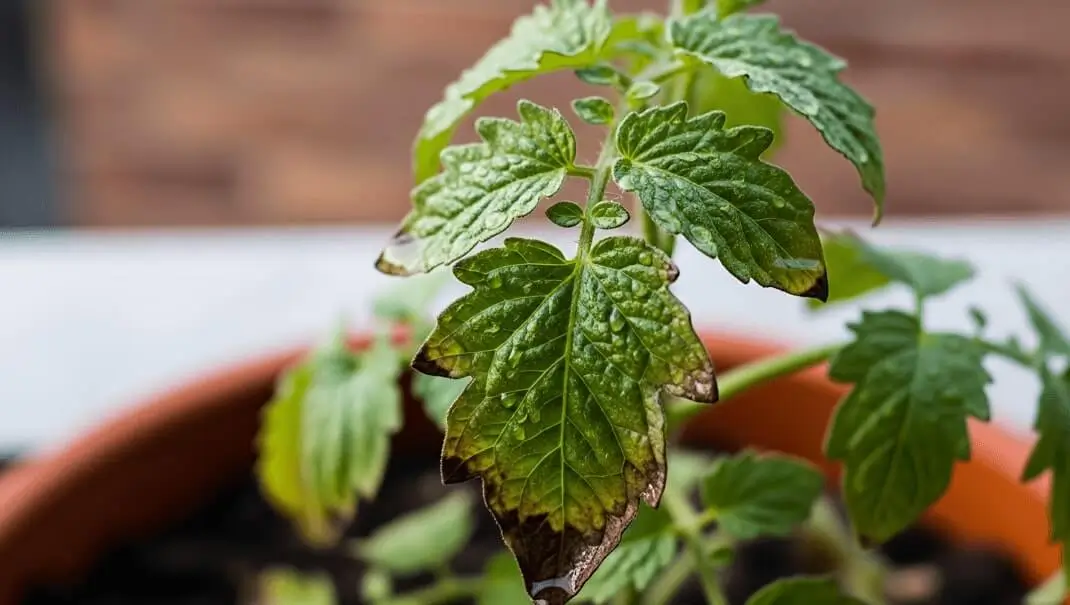
Excessive sunlight can be just as harmful as too little, especially for container-grown fruit plants. When exposed to intense heat and prolonged direct sun, leaves can become scorched, leading to discoloration, dryness, and reduced plant health. Understanding the causes of leaf burn and applying smart protection strategies will help your fruit plants thrive even in hot conditions.
Why Too Much Sun Matters in Container Fruit Gardening
Sunlight fuels photosynthesis, but container fruit plants experience sunlight differently than in-ground plants. When too much sun causes leaf burn, the problem isn’t sunlight itself — it’s heat stress combined with limited root protection.
Why containers increase sun damage risk
- Roots heat up faster in pots, especially dark-colored containers
- Soil dries out quickly, increasing dehydration stress
- Reflective surfaces (walls, concrete, balconies) intensify heat
- Limited soil volume means less buffering against temperature swings
Fruit plants like citrus, figs, blueberries, strawberries, and dwarf apples all need sun — but intense afternoon exposure can overwhelm them, especially during summer heatwaves.
If you’re also dealing with weak growth or poor fruiting, review this related guide on how insufficient sunlight affects fruit plants in pots to better understand the balance between too little and too much sun.
How to Identify Leaf Burn Caused by Too Much Sun
Before fixing the issue, you must confirm that too much sun is the real cause — not pests, disease, or nutrient deficiency.
Clear signs of sunburn on fruit plants
- Brown or tan crispy patches on leaf edges or tips
- Bleached or pale spots that later turn brown
- Leaves curling upward to reduce sun exposure
- Damage appears on sun-facing leaves only
- New growth looks healthier than older exposed leaves
⚠️ Important: Sunburn damage is permanent. Burned leaves won’t recover, but your goal is to protect new growth from further damage.
If soil dries out unusually fast, it may worsen sun damage. This article on why potting soil shrinks and dries too fast explains how soil structure affects water retention.
Step-by-Step Solutions for Too Much Sun Causing Leaf Burn
1. Move containers strategically (the easiest fix)
Most fruit plants thrive with:
- Morning sun (6–8 hours)
- Afternoon shade, especially in hot climates
Move pots away from west-facing walls and reflective surfaces. Even shifting plants 1–2 meters can dramatically reduce heat stress.
2. Use temporary shade during peak heat
Shade does not mean darkness. Use:
- 30–50% shade cloth
- Old sheer curtains
- Bamboo screens
- Balcony rail shade panels
Focus shading between 12 PM and 4 PM, when sun intensity peaks.
3. Improve watering technique (not just frequency)
Improper watering intensifies sunburn.
Best practices:
- Water deeply until excess drains out
- Water early morning, not midday
- Avoid shallow daily watering
- Never let pots fully dry during heatwaves
Poor drainage can trap heat and stress roots. If water pools in containers, read how lack of drainage harms potted fruit plants to fix it properly.
4. Mulch the soil surface
Mulch acts like insulation for roots.
Good mulch options:
- Straw
- Wood chips
- Coconut coir
- Shredded leaves
Apply a 2–5 cm layer, keeping it slightly away from the stem.
5. Choose lighter-colored or insulated containers
Dark plastic pots absorb heat. Switch to:
- Light-colored plastic
- Fabric grow bags
- Double-potted containers (pot inside pot)
This single change can lower root temperatures significantly.
Best Soil and Container Setup to Prevent Leaf Burn
Soil mix matters more than you think
A poor soil mix increases heat stress.
Ideal container soil should:
- Retain moisture without becoming soggy
- Drain well to prevent root overheating
- Contain organic matter for buffering
Avoid mixing garden soil with potting mix — it compacts and heats easily. Learn why this causes problems in mixing garden soil with potting soil for containers.
Container size also affects sun damage
Small pots:
- Heat faster
- Dry quicker
- Stress roots
Always choose the largest pot appropriate for your fruit plant’s mature size.
Common Beginner Mistakes That Make Sunburn Worse
Many gardeners unintentionally worsen leaf burn while trying to help.
Mistake 1: Overwatering burned plants
Too much water doesn’t fix heat stress — it can suffocate roots and worsen decline.
Mistake 2: Spraying leaves in full sun
Water droplets act like magnifying lenses, intensifying leaf burn.
Mistake 3: Removing all damaged leaves at once
Plants still use partially damaged leaves for energy. Remove only fully dead leaves, and do it gradually.
Mistake 4: Assuming sunburn means “more fertilizer”
Fertilizing stressed plants can burn roots and worsen leaf damage.
Preventing Future Leaf Burn in Container Fruit Plants
Prevention is easier than recovery.
Smart long-term strategies
- Match fruit species to your climate
- Acclimate plants slowly to stronger sun
- Rotate pots weekly for even exposure
- Use wind protection to reduce moisture loss
- Monitor soil moisture daily during summer
If your plants look weak even with proper sun exposure, root health may be the issue. This guide on refreshing old potting soil for container plants helps restore soil performance.
FAQ: Too Much Sun Causing Leaf Burn
Can sunburned leaves turn green again?
No. Once burned, leaf tissue is dead. Focus on protecting new growth.
Should I cut off sunburned leaves?
Only remove leaves that are fully brown and crispy. Partial leaves still help the plant.
Is leaf burn more common in summer?
Yes. High temperatures plus intense sun dramatically increase risk.
Can fruit still grow after leaf burn?
Yes, if the plant is protected quickly and stress is reduced.
Does shade reduce fruit production?
Temporary afternoon shade usually improves overall plant health and long-term yields.
Conclusion: Balance Sunlight, Don’t Fear It
Too much sun causing leaf burn doesn’t mean you should avoid sunlight — it means your container fruit plants need better protection and balance. By managing exposure, improving soil and watering practices, and making small container adjustments, you can prevent sun damage while still enjoying strong growth and productive harvests.
Next steps:
Check your plant placement today, add mulch if needed, and plan simple afternoon shade during extreme heat. Healthy leaves mean healthy fruit — and with the right approach, your container garden will thrive even under strong sun. 🌱🍓