
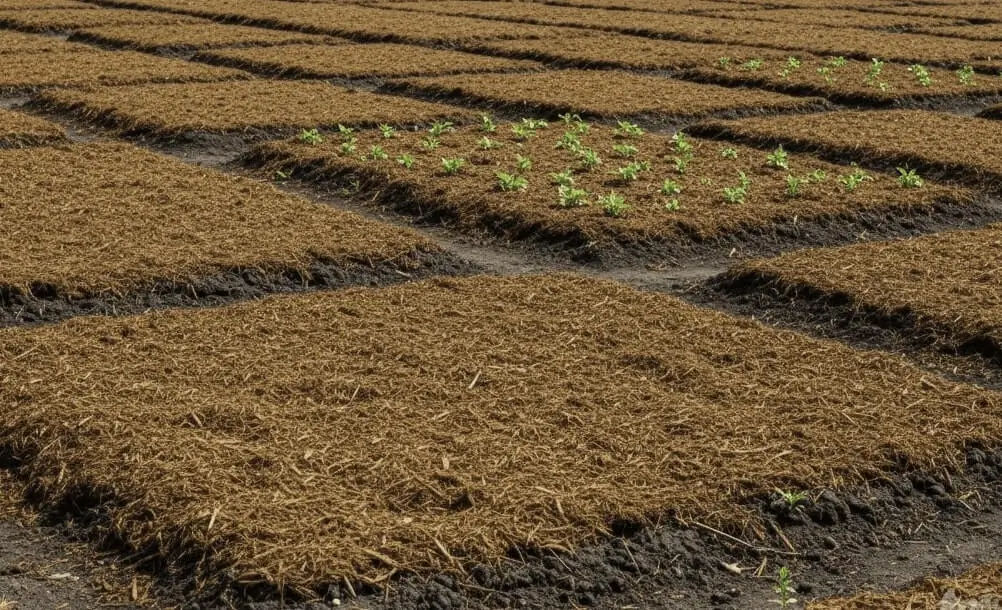
Fast-drying soil is a common challenge in container fruit gardening, often leaving plants stressed, dehydrated, and unable to thrive. When moisture disappears too quickly, roots struggle to absorb the water and nutrients they need, leading to poor growth and reduced fruit production. Understanding the causes behind rapid soil drying—such as improper soil mix, small containers, or hot weather—can help you take the right steps to fix the problem. With a few smart adjustments, you can retain moisture effectively and keep your container fruit plants healthy and productive.
Why Soil Drying Too Fast Matters in Container Fruit Gardening
Container fruit plants rely entirely on you for water and nutrients. Unlike garden beds, pots cannot pull moisture from surrounding soil. When soil dries too fast, roots are exposed to repeated cycles of drought stress.
How fast-drying soil harms fruit plants
- Shallow root development – roots stay near the surface, making plants unstable
- Leaf curl, yellowing, and drop – early signs of water stress
- Blossom and fruit drop – plants prioritize survival over fruiting
- Nutrient lockout – dry soil prevents proper nutrient uptake
- Salt buildup – frequent watering without retention concentrates fertilizer salts
If you’ve already struggled with reused or aging potting mixes, you may notice similar symptoms. This is often linked to organic matter breakdown, as explained in our guide on problems caused by old potting soil, which commonly leads to poor water retention.
What Causes Soil to Dry Too Fast in Pots?
Understanding the root cause helps you apply the right fix instead of watering more and hoping for the best.
1. Soil mix lacks water-holding components
Many commercial potting mixes are designed for drainage, not long-term moisture retention. Mixes heavy in peat substitutes, bark fines, or sand can dry rapidly, especially in warm climates.
2. Pots are too small for the plant
Fruit plants outgrow containers faster than leafy greens. A small pot heats up quickly and holds very little moisture.
3. Hot weather and sun exposure
Black plastic pots in full sun can lose moisture within hours due to evaporation and heat stress.
4. Root-bound plants
When roots fill the pot completely, there’s little soil left to hold water. Water runs straight through without soaking in.
5. Incorrect watering technique
Quick surface watering wets only the top layer, leaving deeper roots dry.
Step-by-Step Solutions to Stop Soil from Drying Too Fast
Step 1: Upgrade Your Soil Mix for Moisture Balance
The foundation of moisture control is soil structure, not watering frequency.
A good moisture-retentive container mix should include:
- High-quality compost (25–35%) – improves structure and water storage
- Coco coir or peat moss (20–30%) – holds moisture evenly
- Perlite or pumice (15–20%) – prevents compaction
- Aged bark fines or garden loam (optional) – stabilizes the mix
If your current mix drains too fast, amending it is often better than starting over. For a deeper look at fixing poor blends, see how to correct a wrong soil mix in containers.
Step 2: Choose Containers That Retain Moisture
Container material makes a huge difference:
| Container Type | Moisture Retention |
|---|---|
| Plastic | High |
| Glazed ceramic | High |
| Wood | Medium |
| Fabric grow bags | Low |
| Terracotta (unglazed) | Very low |
Best choice for beginners: large plastic or glazed pots with drainage holes.
Avoid fabric pots for fruit trees unless you live in a cool climate and can water frequently.
Step 3: Increase Pot Size Strategically
A bigger pot doesn’t just hold more soil—it creates a moisture buffer.
General minimum sizes:
- Strawberries: 3–5 gallons
- Blueberries: 10–15 gallons
- Citrus & figs: 15–25 gallons
- Dwarf apple/pear: 20–30 gallons
If your plant dries out daily despite frequent watering, pot size—not soil—may be the real issue.
Step 4: Mulch the Soil Surface
Mulching isn’t just for garden beds.
Effective container mulches:
- Pine bark chips
- Straw or dried leaves
- Coconut husk chips
- Compost layer (1–2 inches)
Mulch can reduce evaporation by 30–50%, especially during summer.
Step 5: Water Deeply and Correctly
Shallow watering is a common beginner mistake.
Correct method:
- Water slowly until runoff begins
- Pause 1–2 minutes
- Water again to fully saturate the root zone
This ensures moisture reaches the deepest roots and stays longer.
If water still runs straight through, the soil may be compacted or hydrophobic—a problem closely related to reused soil issues in containers.
Step 6: Protect Pots From Heat Stress
Simple adjustments make a big difference:
- Elevate pots slightly off hot surfaces
- Group containers together for shade
- Use light-colored pots or reflective wraps
- Provide afternoon shade in hot climates
Tools and Add-ons That Help Soil Hold Moisture Longer
Useful tools for beginners
- Soil moisture meter – prevents over- and under-watering
- Self-watering containers – create a water reservoir
- Drip irrigation with timer – slow, consistent hydration
Should you use water-retaining crystals?
They can help in very hot climates but should be used sparingly. Overuse may interfere with root aeration.
Common Mistakes Beginners Make
- Watering more instead of fixing soil structure
- Using garden soil in containers
- Choosing fabric pots for thirsty fruit plants
- Skipping mulch entirely
- Letting plants stay root-bound too long
Ironically, overwatering poorly structured soil can lead to the opposite problem—waterlogging. If that sounds familiar, compare symptoms with soil holding too much water in containers to diagnose correctly.
FAQ: Soil Drying Too Fast in Containers
Why does my potting soil dry out the same day I water it?
This usually means the soil lacks organic matter, the pot is too small, or the plant is root-bound.
Can I just water more often?
More frequent watering helps temporarily, but it doesn’t fix the underlying soil or container issue.
Is terracotta bad for fruit plants?
Unglazed terracotta dries extremely fast and is not ideal for fruiting plants unless you water multiple times daily.
How often should I water container fruit plants?
It depends on pot size, climate, and soil. Most need deep watering every 1–3 days in warm weather.
Should I replace or amend fast-drying soil?
Amending with compost and coco coir is usually enough unless the soil is very old or degraded.
Conclusion: Turn Fast-Drying Soil Into a Stable Growing Environment
Soil drying too fast is not a failure—it’s feedback. Your container, soil mix, or watering strategy needs adjustment. By improving soil structure, choosing the right pot, mulching, and watering deeply, you create a stable moisture environment where fruit plants can thrive.
Next steps:
- Check your pot size and material
- Improve your soil mix with compost and moisture-holding components
- Mulch and adjust watering technique
- Monitor moisture instead of guessing
With these changes, your container fruit plants will reward you with stronger growth, healthier leaves, and better harvests—without constant watering stress.